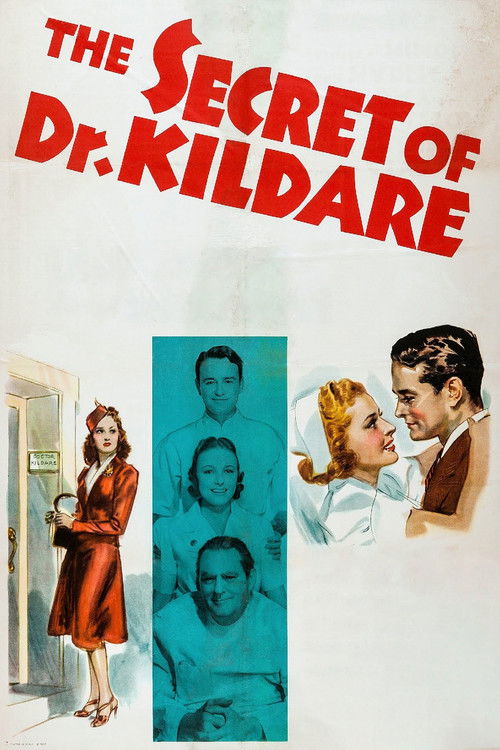
The Secret of Dr. Kildare
1939
No user ratings available yet
Diversity score: 2.5 out of 10
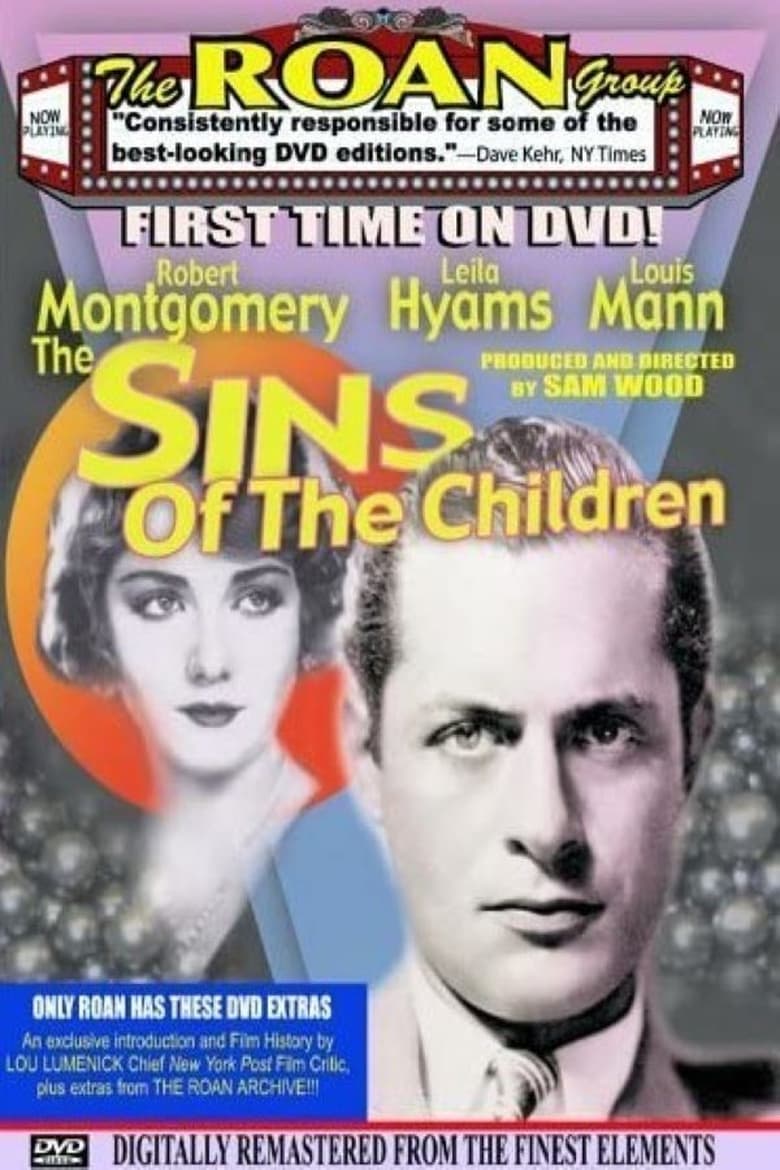
1930
PassedDirector
Sam Wood
Runtime
77 minutes
Average Rating
No ratings yetSynopsis
A barber turns down a promising business venture in order to take his sick son to a drier climate out west.
Overall Score
Limited
Category Breakdown
LGBTQ+ Representation
The film lacks any evidence of non-heteronormative identities. The narrative focuses exclusively on a traditional nuclear family unit.
Gender Representation
Agency is concentrated in the male protagonist, a barber making pivotal life decisions. The plot reflects the era's standard gender hierarchies by centering male-driven action.
Racial & Ethnic Diversity
The setting suggests a conventional Western environment. There is no indication of a diverse or non-Anglo-Saxon cast within the narrative.
Religious & Cultural Diversity
The story emphasizes traditional values like paternal responsibility and family sanctity. It operates within conventional moral frameworks rather than challenging Western institutions.
Disability Representation
A child's illness serves as the primary catalyst for the plot. It remains unclear if the character possesses agency or if the medical condition is merely a device.
Strengths
Areas for Improvement
AI Analysis
The film is a traditional domestic drama that adheres to the social and narrative constraints of 1930. It prioritizes classical storytelling structures centered on paternal sacrifice and familial duty. While the narrative introduces medical themes through a child's illness, it lacks broader intersectional depth. The focus remains on a male-driven plot within a conventional Western framework. Ultimately, the work reflects the demographic and social norms of early sound-era cinema, favoring established moral hierarchies over subversive or diverse representation.
1939
1923
1913

1937
1949
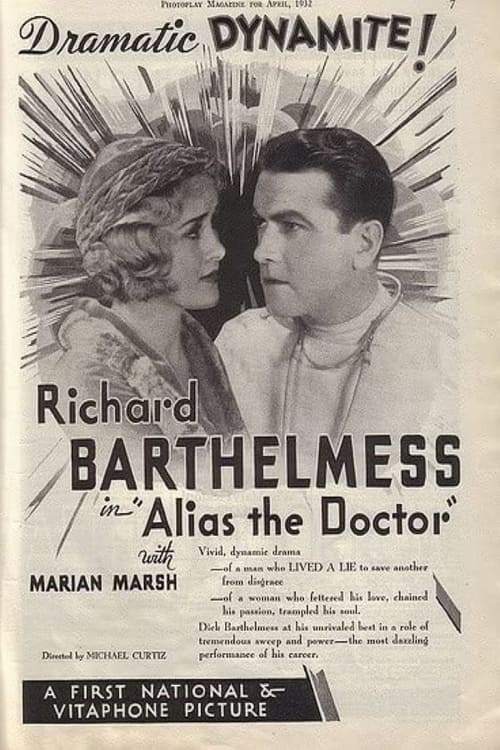
1932
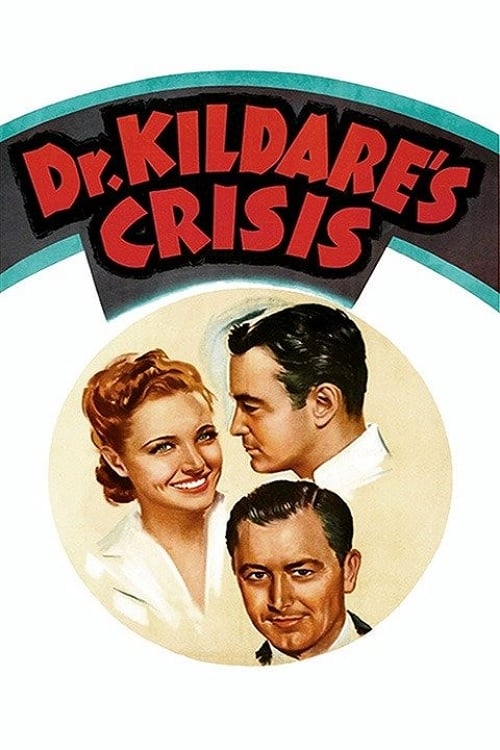
1940
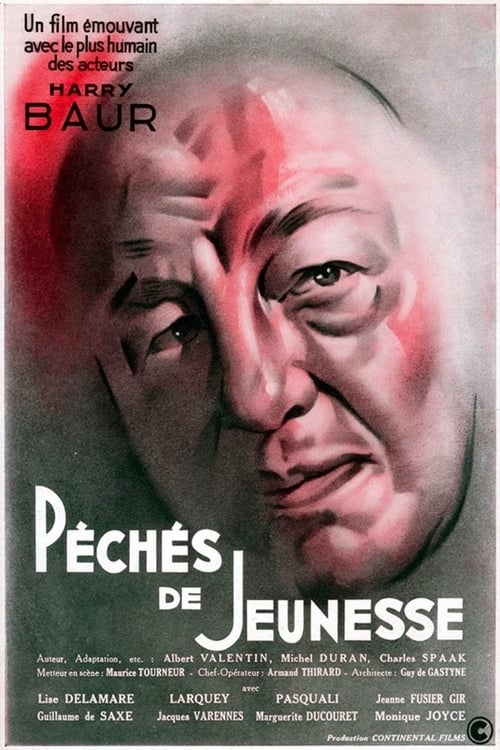
1941

1936
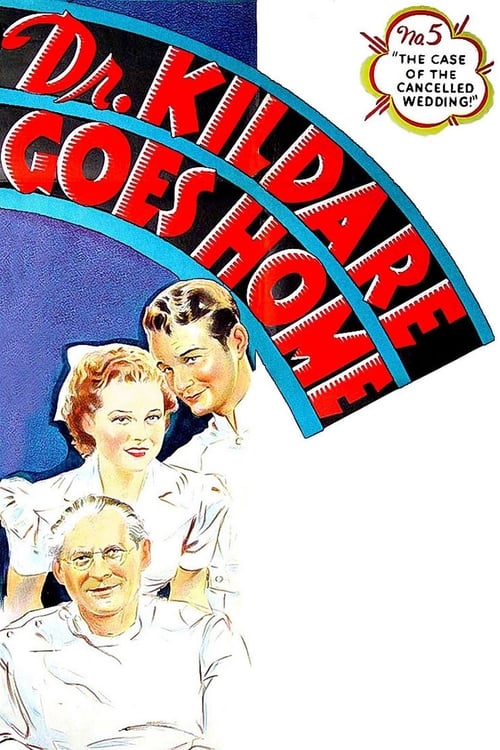
1940
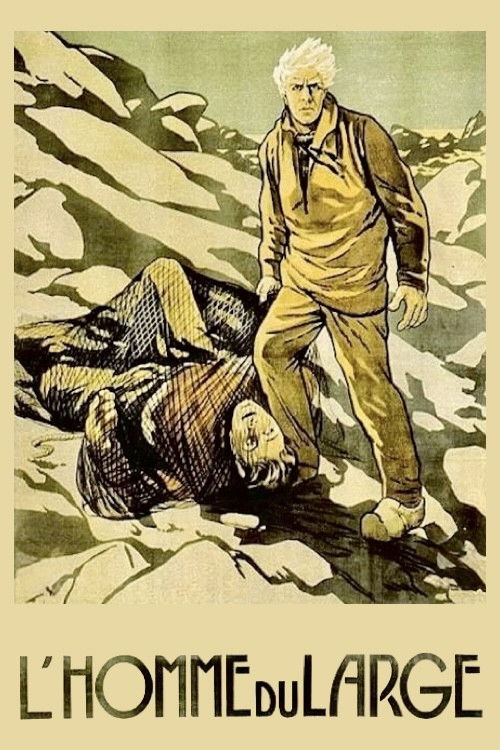
1920
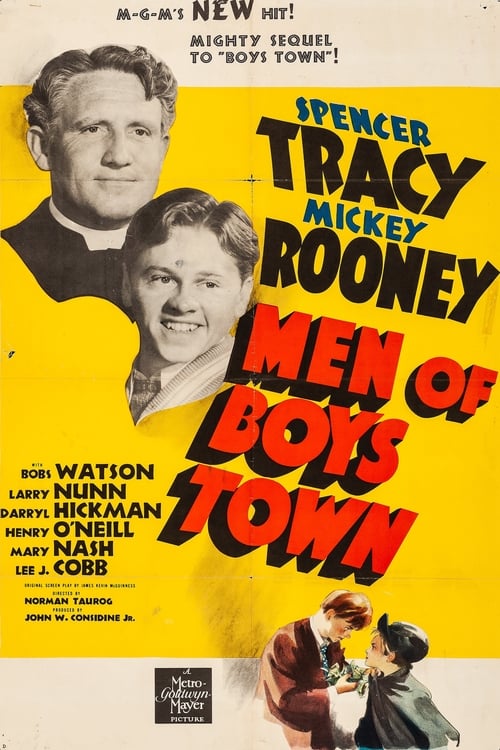
1941
No reviews yet. Be the first to share your thoughts on this movie!
Use the rating form above to leave a star rating and optional review.