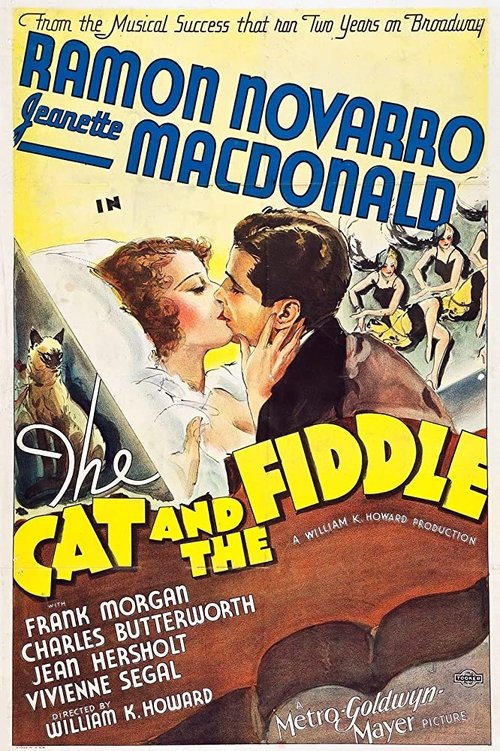
The Cat and the Fiddle
1934
No user ratings available yet
Representation score: 0.8 out of 10
Representation Score
Limited
1929
PassedDirector
William K. Howard
Runtime
81 minutes
Average Rating
No ratings yetNew Showbiz Analysis
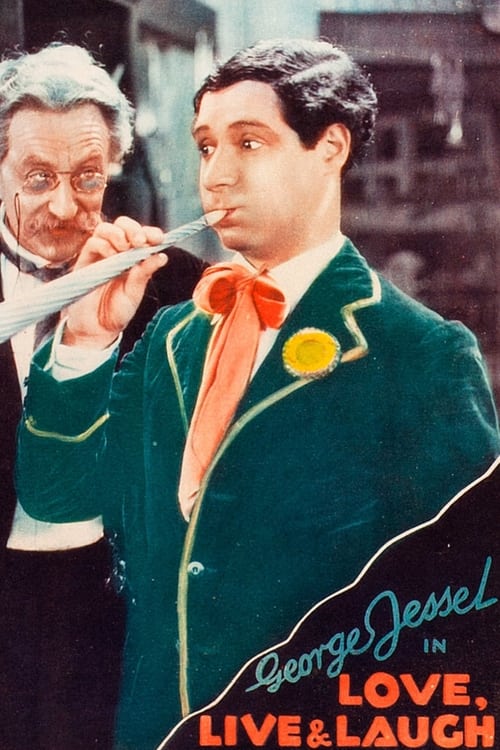
Love, Live & Laugh is a conventional 1929 drama that adheres strictly to the social and romantic norms of its era. The narrative focuses on individual romantic conflicts and traditional melodrama, rather than exploring systemic or multi-layered themes. While the film introduces ethnic texture through its Italian protagonist, it does not disrupt prevailing social hierarchies. Characters function within established archetypes, reinforcing the period's standard dramatic structures. Ultimately, the work lacks characters with deep ability to act from underrepresented groups. It remains a product of the early sound era, prioritizing classical clichés like the 'sad performer' over progressive social exploration.
Category Breakdown
The film centers on a traditional romantic triangle without any evidence of queer subtext or non-cisgender identities. The conflict relies on typical heterosexual courtship clichés.
Margharita mainly serves as an object of desire and a catalyst for male emotional crises. The power dynamics favor male romantic pursuit over female control over the story.
Luigi, an Italian accordionist, adds ethnic flavor. However, his portrayal follows standard era archetypes without offering deep character's ability to drive the story or systemic critique.
The plot relies on established social and familial structures, such as a family-owned music store. It uses classical dramatic clichés rather than challenging Western institutional morality.
No characters have physical impairments or neurodivergent traits. There is no visible representation of disability in the narrative.
Present on Screen
Limited or Absent
Official Synopsis
Any movie that starts Jewish entertainer George Jessel as an Italian accordionist named Luigi can't be all bad. In love with the beautiful Margharita (Lila Lee), Luigi lands a job in the music store owned by the girl's uncle. Ultimately, however, our hero does the Pagliacci act when Margharita evinces a preference for handsome Pasquale (David Rollins). The film's best scene takes place in a nursery full of talented tots, a sequence that undoubtedly reminded Jessel of his days with Gus Edwards' "Schoolroom" act. Exercising his droit du seigneur, Georgie Jessel sings the title tune.
1934
1950
1929

1928
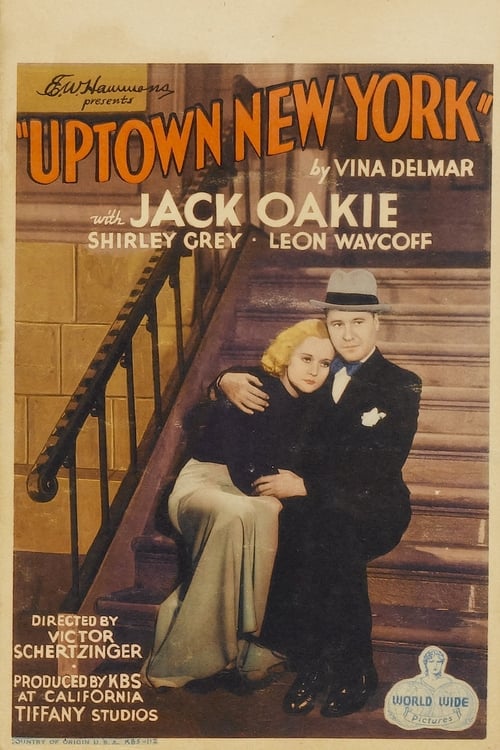
1932
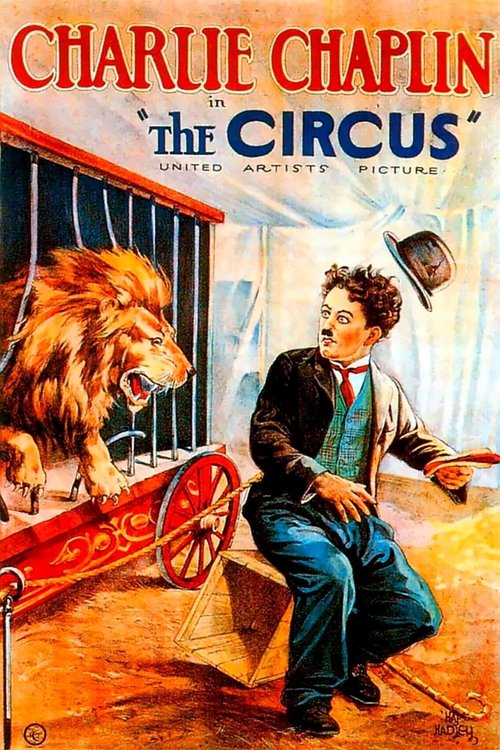
1928
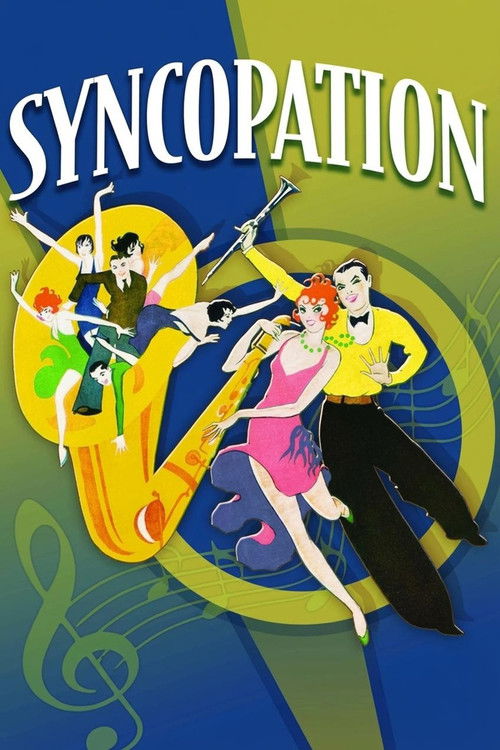
1929
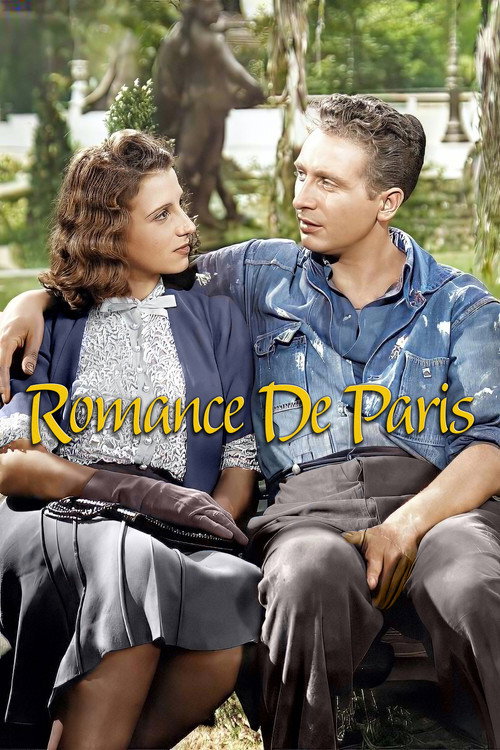
1941
No reviews yet. Be the first to share your thoughts on this movie!
Use the rating form above to leave a star rating and optional review.