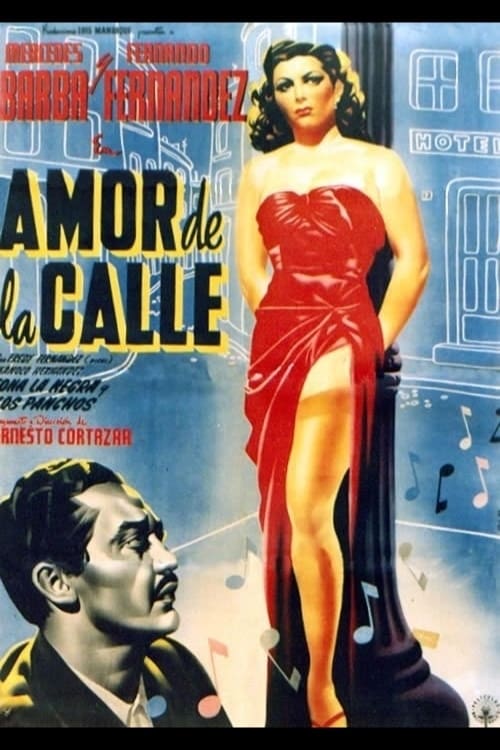
Street Love
1950
No user ratings available yet
Diversity score: 4.5 out of 10

1934
NRDirector
Frank Borzage
Runtime
74 minutes
Average Rating
No ratings yetSynopsis
A frail boy fights to win acceptance from the leader of a street gang.
Overall Score
Fair
Category Breakdown
LGBTQ+ Representation
The film adheres to the heteronormative romantic structures common in 1930s cinema. There is no evidence of same-sex intimacy or non-cisnormative gender identities.
Gender Representation
The female protagonist serves as a spiritual anchor and a pillar of moral fortitude. While she demonstrates significant psychological strength, the narrative still operates within the era's framework of romantic sacrifice.
Racial & Ethnic Diversity
The film presents a cosmopolitan view by featuring a diverse assembly of volunteers from various European and American backgrounds. This internationalist framework disrupts the era's tendency toward homogeneous, nationalist storytelling.
Religious & Cultural Diversity
The narrative critiques the rise of totalitarianism and fascist authority. It frames the struggle of volunteers as a pursuit of liberty against oppressive, centralized state power.
Disability Representation
There is no significant evidence regarding the portrayal of physical or neurodivergent disabilities as central narrative elements.
Strengths
Areas for Improvement
AI Analysis
Frank Borzage’s work focuses on emotional transcendence and the resilience of the individual. In this film, that humanistic approach allows for a narrative that prioritizes character-driven connections over rigid social hierarchies. The film succeeds in presenting a multi-national perspective, using an internationalist lens to challenge singular nationalist narratives. By focusing on a collective of diverse volunteers, it offers a more nuanced view of political struggle than many contemporary works. However, the film remains anchored in the romantic and moral conventions of the early 1930s. It lacks representation of LGBTQ+ identities and does not feature central portrayals of disability.
1950

1932
1932
1970

1934

1934
1980
1935
1925

1931
1935
1950
No reviews yet. Be the first to share your thoughts on this movie!
Use the rating form above to leave a star rating and optional review.