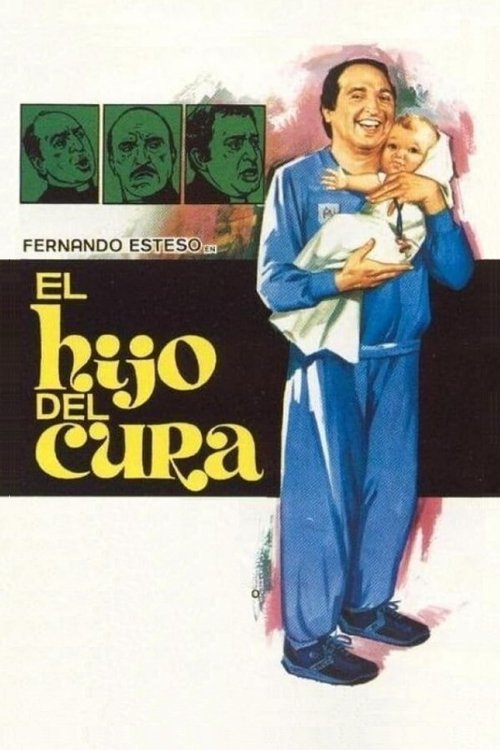
El hijo del cura
1982
No user ratings available yet
Representation score: 0.9 out of 10
Representation Score
Minimal
1984
Director
Mariano Ozores Puchol
Runtime
0 minutes
Average Rating
No ratings yetNew Showbiz Analysis
Mariano Ozores Puchol’s comedy functions as a mainstream commercial product of its era. It prioritizes lighthearted entertainment over deconstructing social hierarchies or cultural norms. The film adheres to the established social and cultural expectations of 1980s Spain. It reinforces traditional domestic dynamics and religious frameworks without challenging them. Ultimately, the work lacks the intentionality needed to disrupt conventional expectations regarding race, gender, or institutional authority, remaining firmly within a traditional storytelling framework.
Category Breakdown
The film follows the social norms of the 1980s. There is no representation of non-binary gender identities or challenges to the assumption that everyone is straight.
The story relies on traditional gender roles. Masculinity is portrayed through silly or incompetent situations, but there is no intentional challenge to the hierarchy of gender roles.
The production reflects the demographics of 1980s Spain. There is no indication of diverse casting or narratives centered outside a traditional Western context.
The story focuses on religious institutions and traditional family structures. It emphasizes Catholic morality without critiquing Western institutions.
There is no evidence that disability plays a central role in the story. No characters with visible or invisible disabilities are mentioned.
Present on Screen
Limited or Absent
1982
1988

1985

1974
1983
1981
1993

1970
No reviews yet. Be the first to share your thoughts on this movie!
Use the rating form above to leave a star rating and optional review.