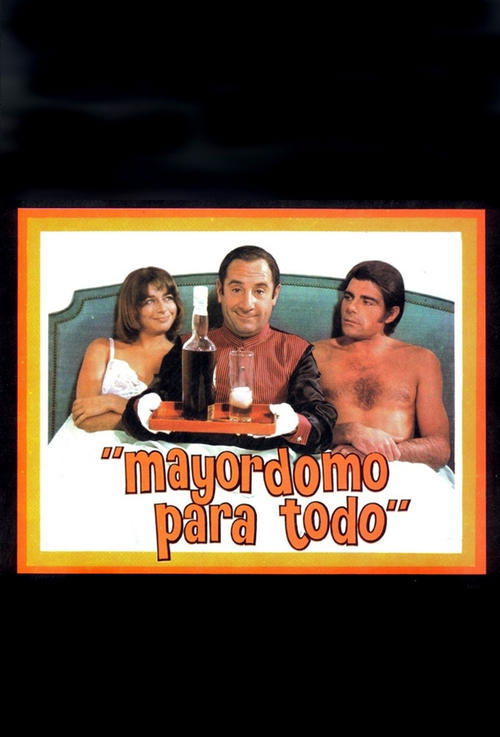
Mayordomo para todo
1976
No user ratings available yet
Representation score: 1.5 out of 10
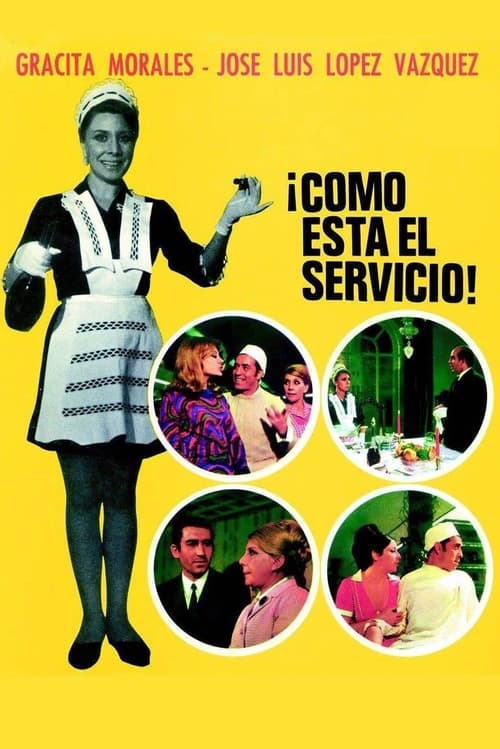
Representation Score
Minimal
1968
Director
Mariano Ozores Puchol
Runtime
92 minutes
Average Rating
No ratings yetNew Showbiz Analysis
This 1968 comedy adheres closely to the social norms of its time. The narrative focuses on traditional roles, such as domestic service, class hierarchies, and heterosexual relationships. The film does not intentionally address diversity, serving instead as a period piece that upholds existing social structures. It offers a glimpse into Spanish life without tackling broader issues of racial or identity diversity. Characters navigate situational humor and social dynamics within a conventional framework that does not challenge established gender or institutional hierarchies.
Category Breakdown
The film centers around traditional heterosexual relationships and courtship. It does not include any characters with non-binary gender identities or same-sex relationships.
Vicenta leads the emotional storyline, but women are mostly confined to domestic roles like bridesmaids or servants. Men, such as the doctor and his son, have significant influence over her life path.
Set in Madrid, the film portrays a homogeneous Spanish population. There is no indication of racial diversity or non-white actors in this local setting.
The story highlights class differences through domestic service and social mobility. It upholds traditional social structures and family stability without questioning them.
There are no characters with visible or invisible disabilities that play a central role in the story or plot development.
Present on Screen
Limited or Absent
Official Synopsis
Vicenta Verruguillo came to Madrid to work as a bridesmaid in the house of a doctor and falls in love with his son. The boy, to keep his family is left without service, follow the advice of his father and pretends to be in love with her. Meanwhile, his cousin Manolo, a likeable rogue, who works as a nurse, several maids dupes that get her salary every month because he has promised to buy a flat before marrying them.
1976
2015
1973

1992
1983
1985
1951

1955
No reviews yet. Be the first to share your thoughts on this movie!
Use the rating form above to leave a star rating and optional review.