
Jenaro, el de los 14
1974
No user ratings available yet
Representation score: 1.4 out of 10

Representation Score
Limited
1970
Director
Mariano Ozores Puchol
Runtime
0 minutes
Average Rating
No ratings yetNew Showbiz Analysis
En un lugar de la Manga is a product of the Spanish commercial comedy circuit during the late Francoist era. It functions as mainstream entertainment that reinforces the social standards of its time rather than questioning them. The film relies on established star personas and conventional comedic clichés. This approach prioritizes populist humor over progressive social critique or the deconstruction of traditional hierarchies. Ultimately, the work reflects a conservative demographic and cultural landscape. It lacks the multi-layered casting or subversive themes necessary to disrupt the era's standard social structures.
Category Breakdown
The film does not include characters with non-cisgender identities or narratives that challenge the assumption that everyone is straight. It likely follows the social and legal norms of 1970s Spain.
Casting Concha Velasco and Manolo Escobar suggests a traditional comedic pairing. Female characters likely operate within established gender hierarchies and have limited control over their own stories.
Set in La Manga, the film presents a homogeneous Mediterranean social setting. There is no indication of diverse racial perspectives or multi-layered casting.
The production reflects the era's traditional Western values and social cohesion. It lacks narratives that challenge established social hierarchies or institutional morality.
There is no information available regarding the depiction of physical or neurodivergent characters.
Present on Screen
Limited or Absent
1974
1976

1985
1988
1984
1991
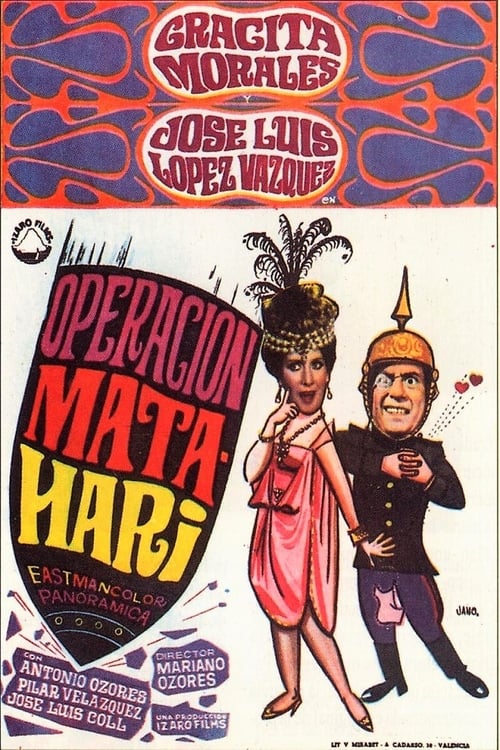
1968
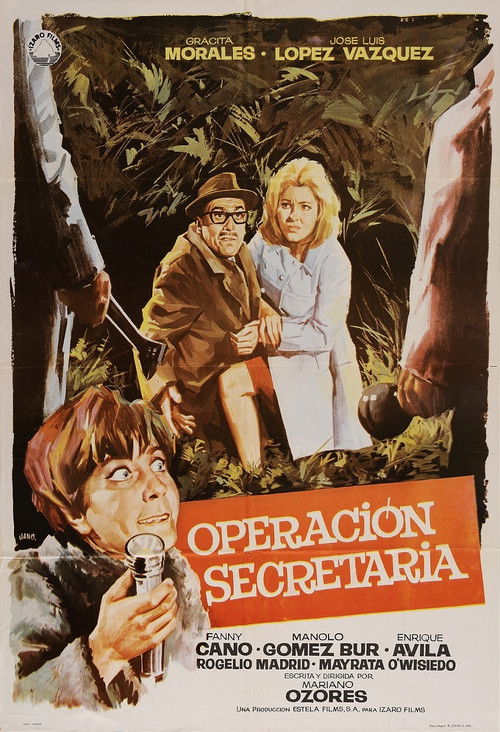
1966
No reviews yet. Be the first to share your thoughts on this movie!
Use the rating form above to leave a star rating and optional review.