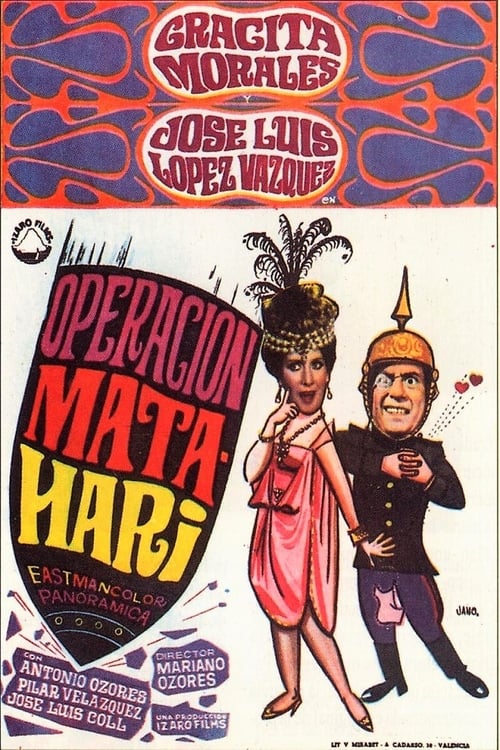
Operation Mata Hari
1968
No user ratings available yet
Representation score: 1.4 out of 10
Representation Score
Limited
1985
Director
Mariano Ozores Puchol
Runtime
0 minutes
Average Rating
No ratings yetNew Showbiz Analysis
This 1985 comedy reflects its specific cultural and historical context, prioritizing traditional humor over social disruption. The film adheres to the commercial standards of mid-80s Spanish cinema, focusing on conventional entertainment values. The narrative structure relies on well-established social norms and common formulas. It lacks complexity in representing diverse identities and underrepresented groups. Ultimately, the film serves as a typical commercial comedy that reinforces existing hierarchies without challenging them through varied perspectives.
Category Breakdown
The film does not show any non-binary genders or sexual orientations. It follows the traditional social norms of mid-1980s Spanish cinema.
The story likely upholds traditional gender roles and male dominance. It uses common comedic formulas rather than challenging stereotypes about gender.
The casting seems uniform, reflecting the demographics of Spain during that time. There is no indication of racial diversity.
The story operates within typical Western social structures. It does not critique religion, capitalism, or other established institutions.
Characters with disabilities do not have much influence over the plot. Their roles seem to serve as minor plot devices rather than central identities.
Present on Screen
Limited or Absent
1968
2001

1985
1988
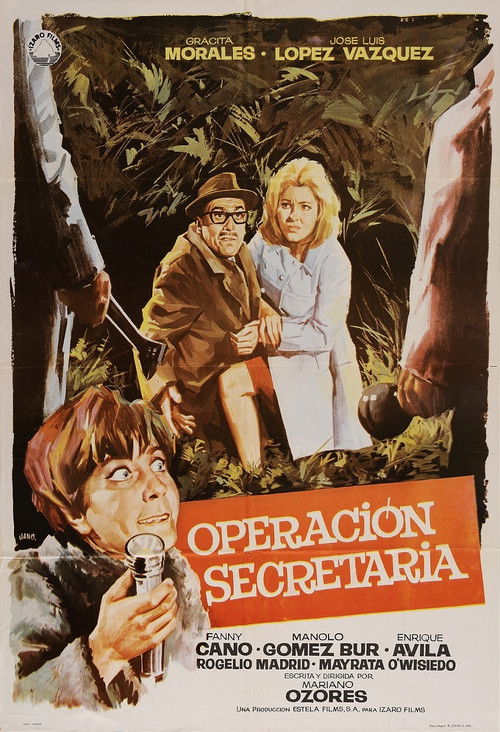
1966
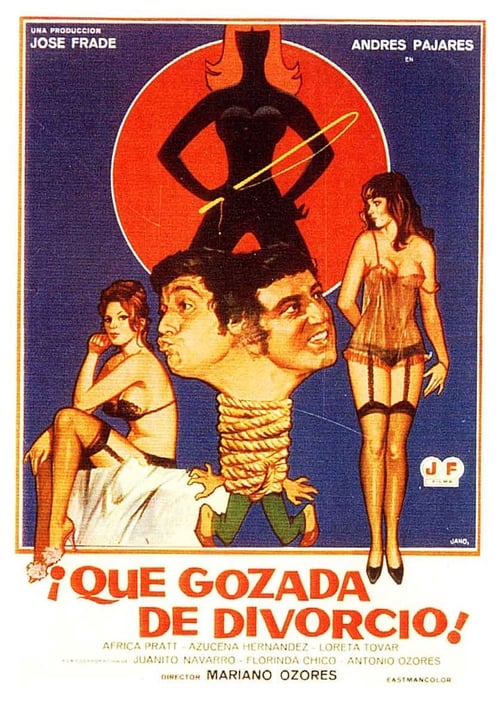
1981
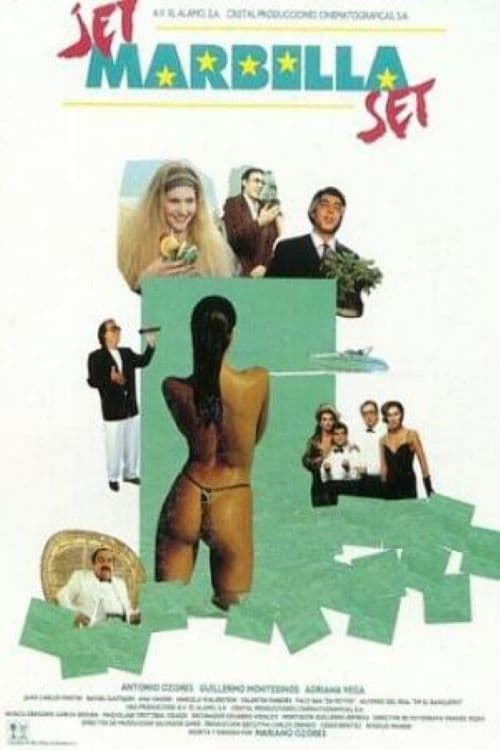
1991
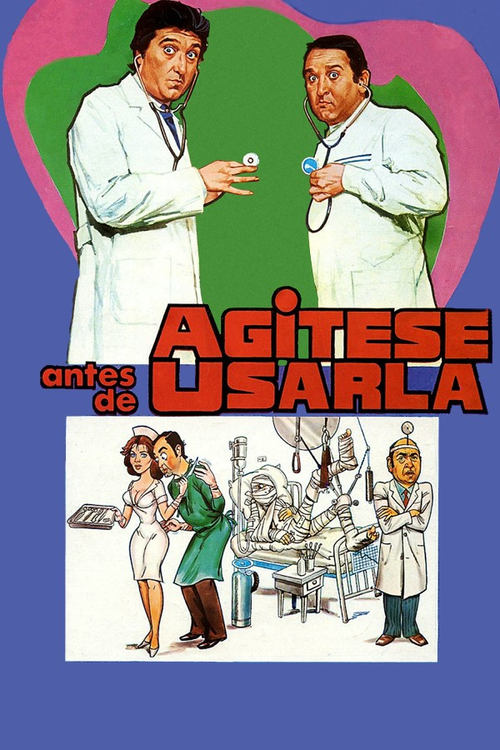
1983
No reviews yet. Be the first to share your thoughts on this movie!
Use the rating form above to leave a star rating and optional review.