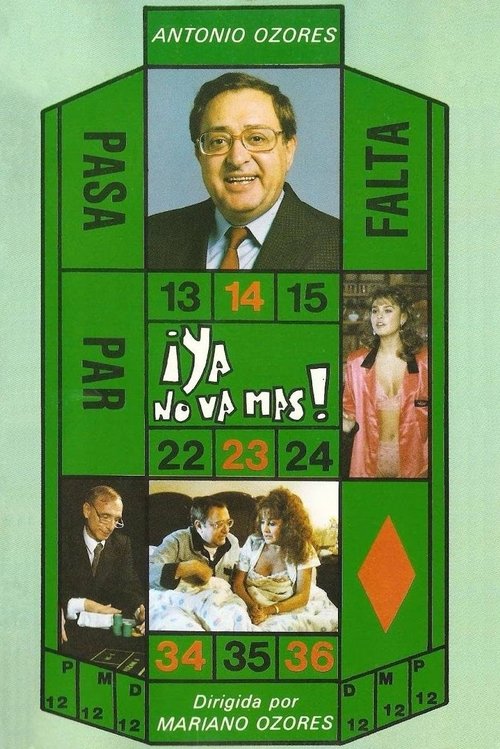
Ya no va más
1988
No user ratings available yet
Representation score: 0.8 out of 10

Representation Score
Minimal
1985
Director
Mariano Ozores Puchol
Runtime
0 minutes
Average Rating
No ratings yetNew Showbiz Analysis
El recomendado is a product of its era, functioning as a standard genre comedy that emphasizes established clichés over social disruption. The film’s narrative structure aligns with the mainstream commercial cinema of 1985 Spain, focusing on domestic themes like infidelity. Since the film adheres to the conventional social hierarchies and demographic norms of its time, it lacks depth in reflecting multiple aspects of identity. The storytelling relies on traditional archetypes rather than attempting to challenge or deconstruct systemic power dynamics or diverse identities.
Category Breakdown
The film follows traditional 1980s comedic structures and does not include characters with non-binary gender identities or narratives that question the assumption that everyone is straight.
Themes of infidelity and private investigation suggest adherence to traditional gender roles. The film seems to follow conventional hierarchies typical of mid-1980s Spanish comedy.
The production reflects the demographic norms of the 1985 Spanish film industry. The cast and setting appear largely uniform without notable racial diversity.
The narrative centers on interpersonal ethics and standard social norms. It does not explore challenges to established institutions or Western cultural norms.
There is no depiction of characters with visible or invisible disabilities. The film does not provide representation in this category.
Present on Screen
Limited or Absent
1988
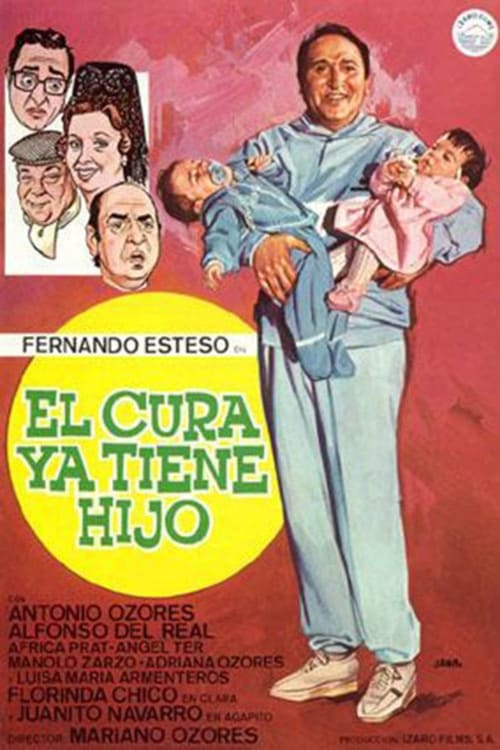
1984
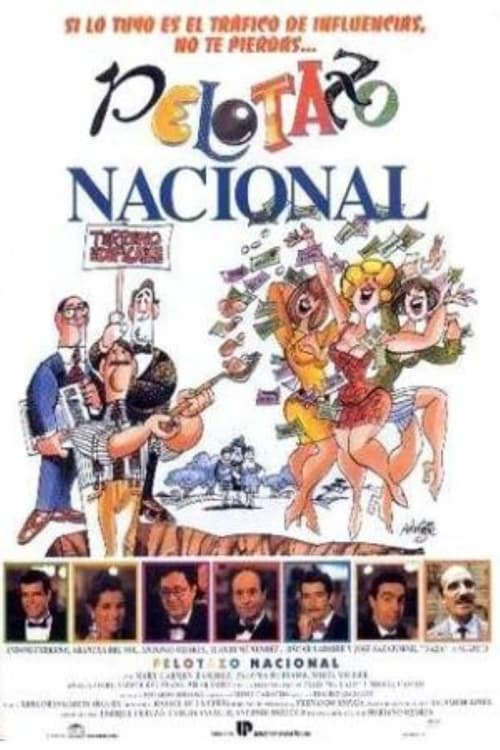
1993
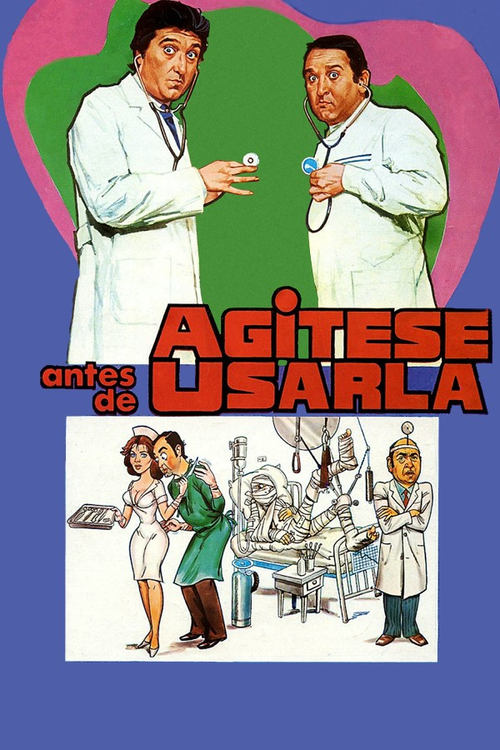
1983
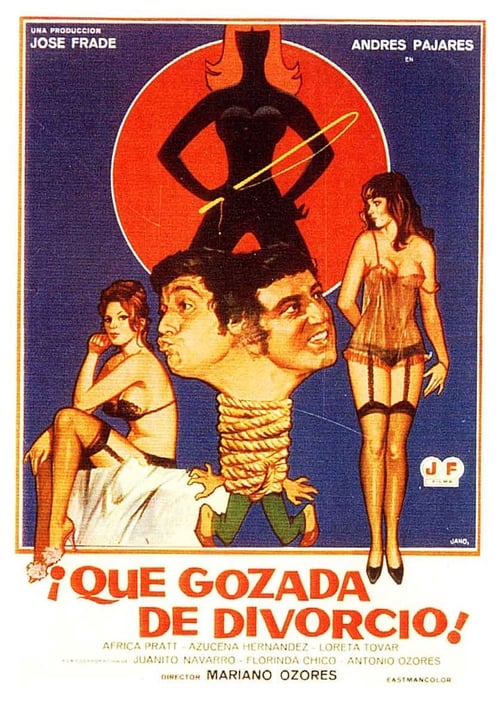
1981

1970

1991
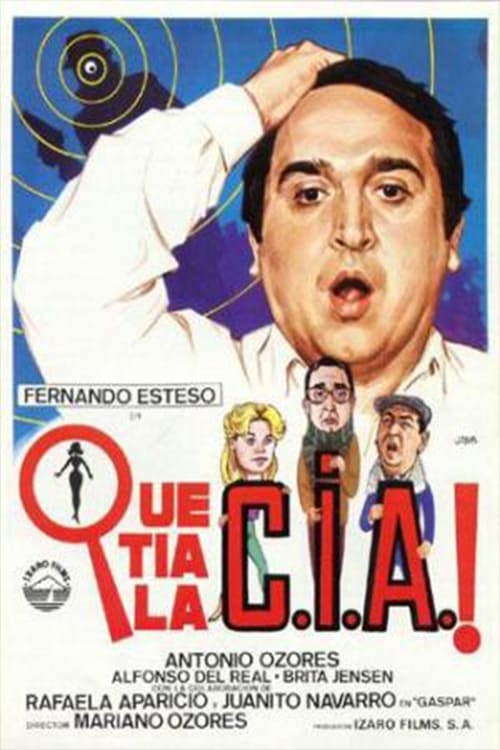
1985
No reviews yet. Be the first to share your thoughts on this movie!
Use the rating form above to leave a star rating and optional review.