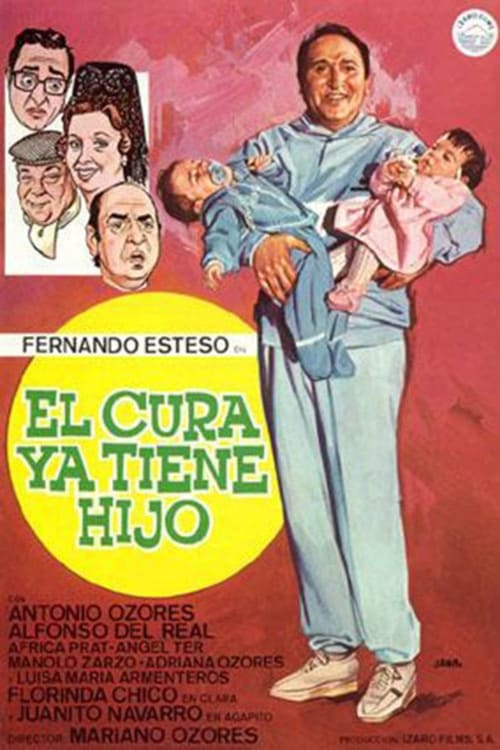
El cura ya tiene hijo
1984
No user ratings available yet
Representation score: 1.8 out of 10
Representation Score
Minimal
1973
Director
Mariano Ozores Puchol
Runtime
0 minutes
Average Rating
No ratings yetNew Showbiz Analysis
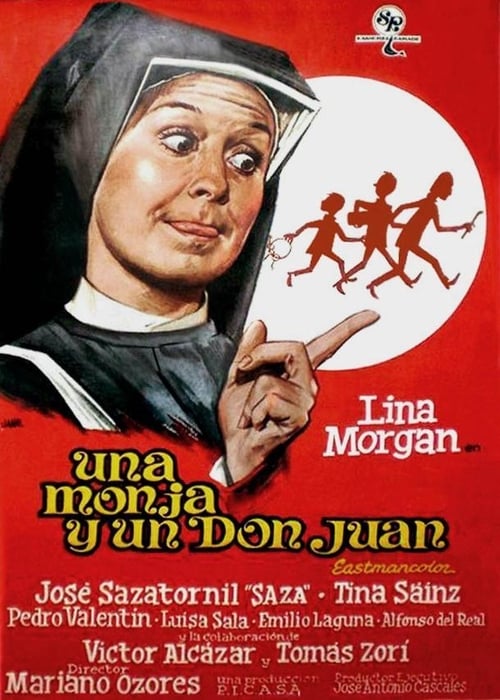
Mariano Ozores Puchol’s comedy functions as a product of its time, utilizing classical archetypes to drive situational humor. The film relies on established social hierarchies and traditional character roles rather than attempting to deconstruct them. The representation is heavily shaped by the cultural and religious landscape of 1970s Spain. This results in a narrative that reinforces conventional morality and demographic homogeneity rather than challenging the status quo. Ultimately, the work serves as a snapshot of mainstream Spanish commercial cinema, prioritizing familiar formulas over diverse or subversive identity portrayals.
Category Breakdown
The film likely adheres to the assumption that everyone is straight or cisgender, which was common in 1970s Mediterranean cinema. There is no evidence of characters with diverse sexual orientations or gender identities within the story.
The title suggests a reliance on traditional gender roles, such as the ascetic woman and the libertine male. This setup often emphasizes male pursuits over a reevaluation of gender power dynamics.
Casting appears to reflect the demographic homogeneity of the 1970s Spanish domestic market. The production follows the Eurocentric casting norms typical of regional cinema from this era.
The narrative is deeply embedded in traditional Western and Catholic cultural frameworks. It operates within established institutional values rather than offering a secularist or anti-institutional critique.
There is no information available regarding the presence of characters with visible or invisible disabilities.
Present on Screen
Limited or Absent
1984

1970
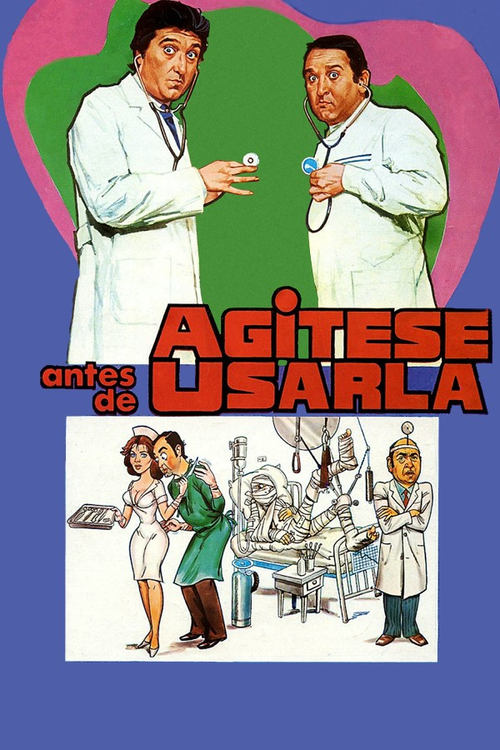
1983

1974
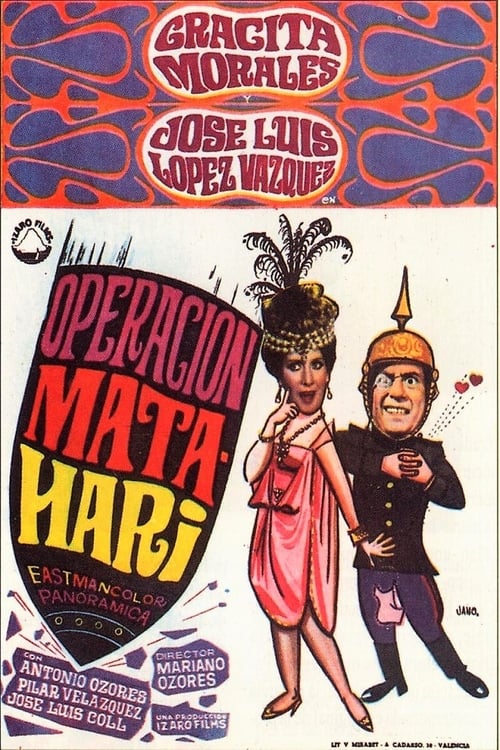
1968
1966
1963
1974
No reviews yet. Be the first to share your thoughts on this movie!
Use the rating form above to leave a star rating and optional review.