
Sandow
1896
No user ratings available yet
Representation score: 1.2 out of 10
Representation Score
Minimal
1894
Not RatedDirector
William K.L. Dickson, William Heise
Runtime
1 minutes
Average Rating
No ratings yetNew Showbiz Analysis
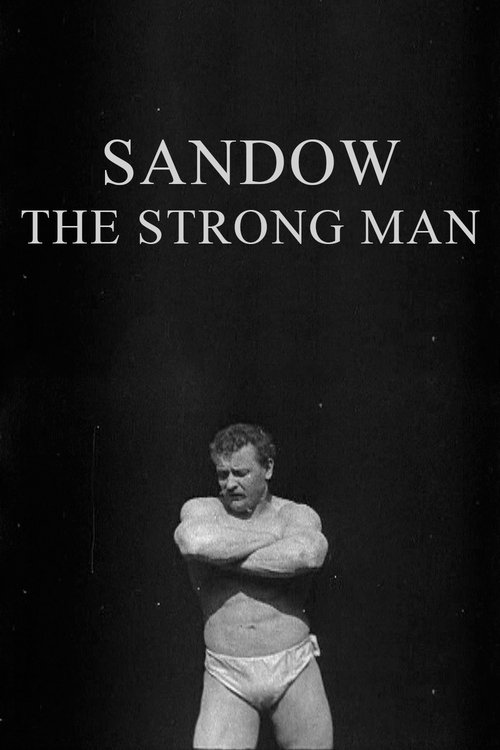
Sandow: The Strong Man is a foundational documentary short that prioritizes visual spectacle over social complexity. Its main goal is to demonstrate movement and physical prowess. By focusing entirely on Sandow's physical dominance, the film reinforces traditional notions of masculinity and individual achievement. It lacks the narrative depth needed to address identity, culture, or the experiences of diverse populations.
Category Breakdown
The film does not include any LGBTQ+ identities or same-sex relationships. It focuses solely on the performance of Eugen Sandow.
The film emphasizes traditional masculine ideals by highlighting Sandow's muscularity. It celebrates a single, hyper-masculine figure without challenging gender roles.
The film centers on a single individual in a studio setting. It lacks a diverse cast and does not explore multiple aspects of identity.
The film is purely performative and does not engage with religious themes, political ideologies, or systemic critiques.
The film does not represent any disabilities or neurodivergences. Sandow is shown only through his peak physical abilities.
Present on Screen
Limited or Absent
Official Synopsis
Eugen Sandow, who claims to be the strongest man in the world, appears in the Edison Company's film studio.
1896

1894
1894
1891
1891
1894
1890
1894
No reviews yet. Be the first to share your thoughts on this movie!
Use the rating form above to leave a star rating and optional review.