Wild Horse, Wild Ride
2012
No user ratings available yet
Diversity score: 3.8 out of 10
1894
Not RatedDirector
William K.L. Dickson, William Heise
Runtime
1 minutes
Average Rating
No ratings yetSynopsis
Lee Martin, one of the cowboy stars in 'Buffalo Bill's Wild West', rides a bronco as a crowd looks on. While the horse is trying to throw Martin off its back, another cowboy stands on top of a fence rail and occasionally fires his six-shooter, to spur on both horse and rider.
Overall Score
Minimal
Category Breakdown
LGBTQ+ Representation
The film is a brief vignette focused on a singular physical feat. It contains no depictions of non-cisnormative identities or same-sex intimacy.
Gender Representation
The film reinforces traditional hierarchies by centering on a male performing a masculine task. A second male figure further establishes a homogeneous masculine environment.
Racial & Ethnic Diversity
The film depicts a homogeneous cast of white performers within the context of Buffalo Bill's Wild West. It lacks visible racial or ethnic intersectionality.
Religious & Cultural Diversity
The work celebrates traditional Western frontier tropes without critique. It presents a standardized view of the American West emphasizing physical prowess and ranching activities.
Disability Representation
There is no evidence of characters with visible or invisible disabilities. The focus remains entirely on the athleticism of the cowboy.
Strengths
Areas for Improvement
AI Analysis
Bucking Broncho serves as a historical record of a specific cultural performance rather than a narrative designed to challenge social norms. It functions as a visual document of late 19th-century ethnographic filmmaking, adhering strictly to the era's traditional hierarchies. The film lacks the complexity required for intersectional analysis. Its scope is limited to the interaction between a rider and an animal, providing no room for diverse identity exploration. Ultimately, the work reflects the narrow demographic focus of its time, prioritizing the documentation of physical feats over sociopolitical commentary.
2012

2022
1894
1894
1894
1891
1890
1894
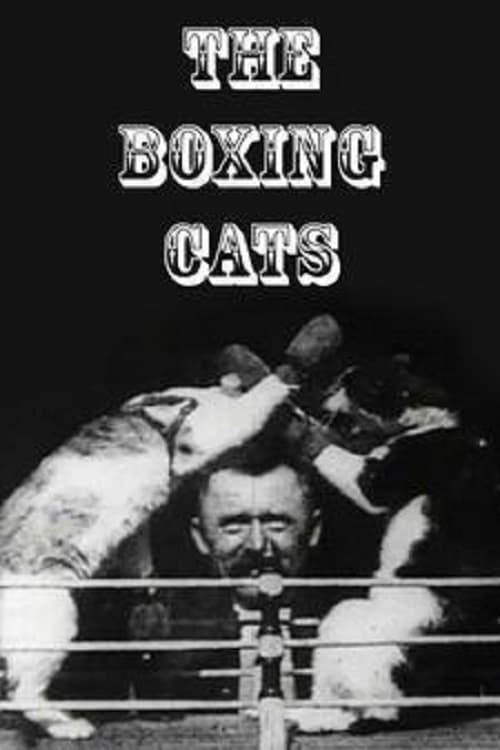
1894
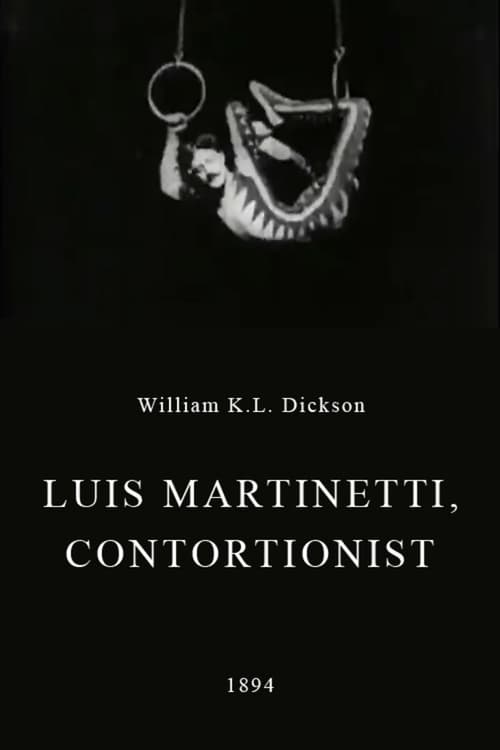
1894
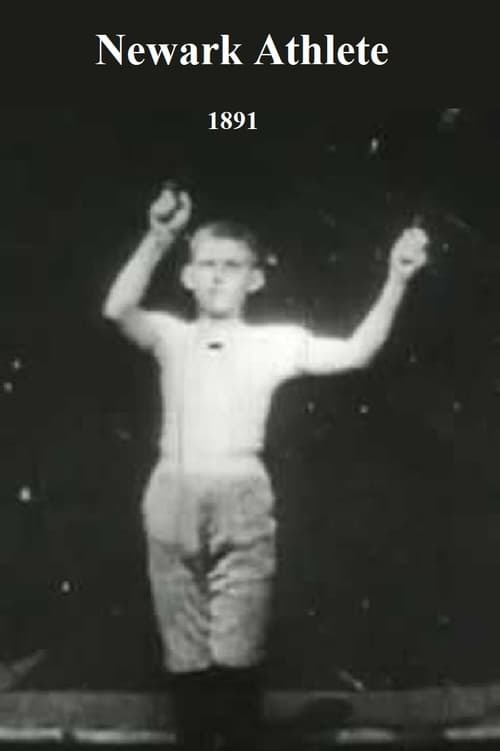
1891
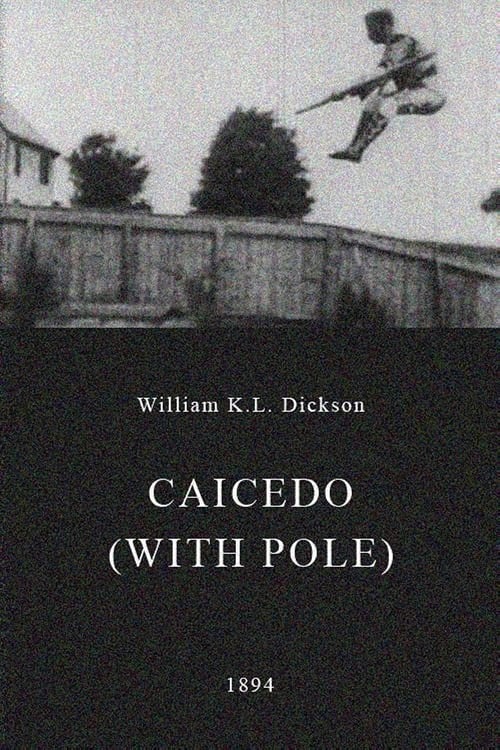
1894
No reviews yet. Be the first to share your thoughts on this movie!
Use the rating form above to leave a star rating and optional review.