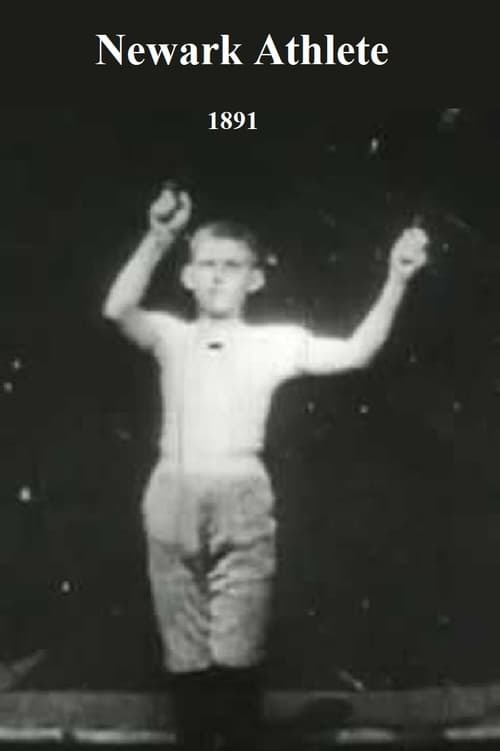
Newark Athlete
1891
No user ratings available yet
Diversity score: 2.4 out of 10
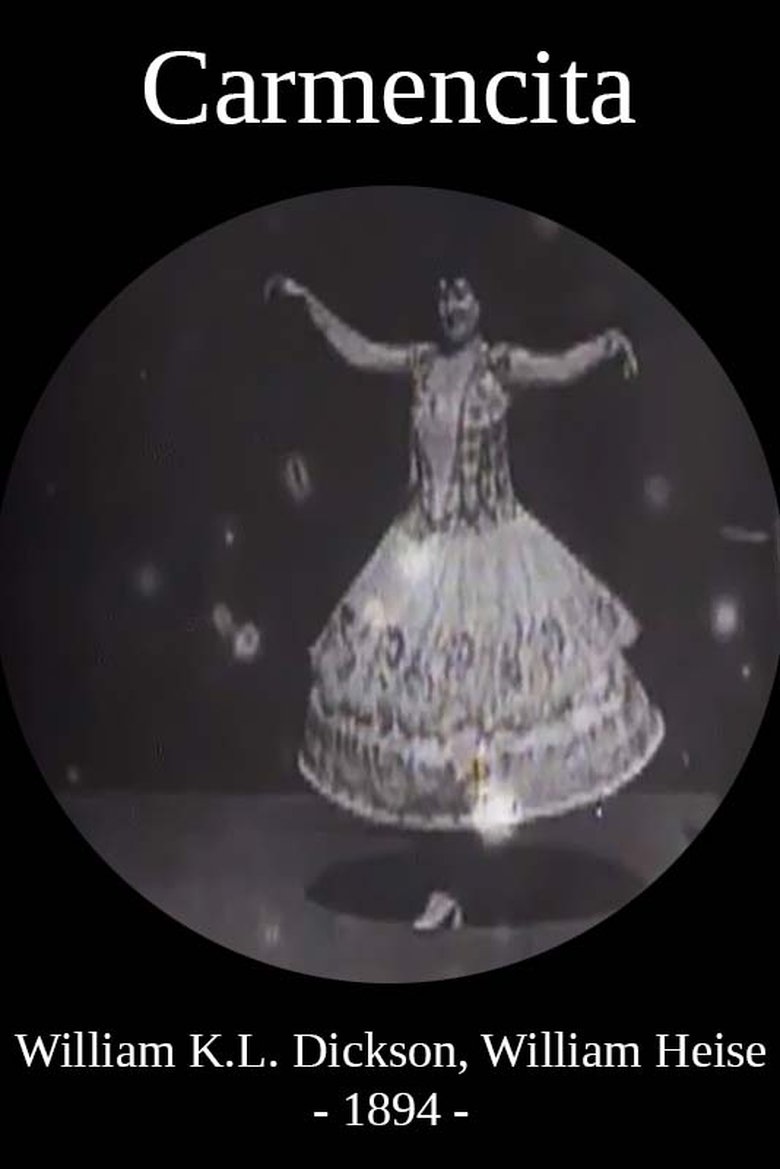
1894
NRDirector
William K.L. Dickson, William Heise
Runtime
1 minutes
Average Rating
No ratings yetSynopsis
The first woman to appear in front of an Edison motion picture camera and possibly the first woman to appear in a motion picture within the United States. In the film, Carmencita is recorded going through a routine she had been performing at Koster & Bial's in New York since February 1890.
Overall Score
Fair
Category Breakdown
LGBTQ+ Representation
The film is a brief, single-subject vignette focused on a solo performance. It contains no LGBTQ+ characters or narratives addressing non-cisnormative identities.
Gender Representation
The film centers entirely on a female subject, providing a foundational moment of female agency. However, the lack of secondary characters prevents the subversion of traditional gender roles.
Racial & Ethnic Diversity
The film captures a performer of color within a Western entertainment framework. While it lacks complex character depth, the presence of a non-Anglo-Saxon performer disrupts typical era homogeneity.
Religious & Cultural Diversity
The film functions as a historical document of a specific cultural dance. It adheres to the 'actuality' format, prioritizing the observation of existing social norms over critique.
Disability Representation
There is no visible or identifiable representation of disability within this brief footage.
Strengths
Areas for Improvement
AI Analysis
Carmencita serves as a landmark historical document, marking the first time a woman appeared before an Edison motion picture camera. Its significance lies in its early visibility of female and non-Anglo-Saxon subjects during a period of cinematic infancy. While the film provides a rare solo focus on a woman, it remains an observational 'actuality' rather than a narrative with social commentary. The representation is notable for its era but lacks the depth to engage with modern intersectional themes. Ultimately, the work is a technical milestone that captures a specific cultural performance without attempting to deconstruct or critique the social structures of the late 19th century.
1891
1891
1890
1894
1894

1894
1894
1894
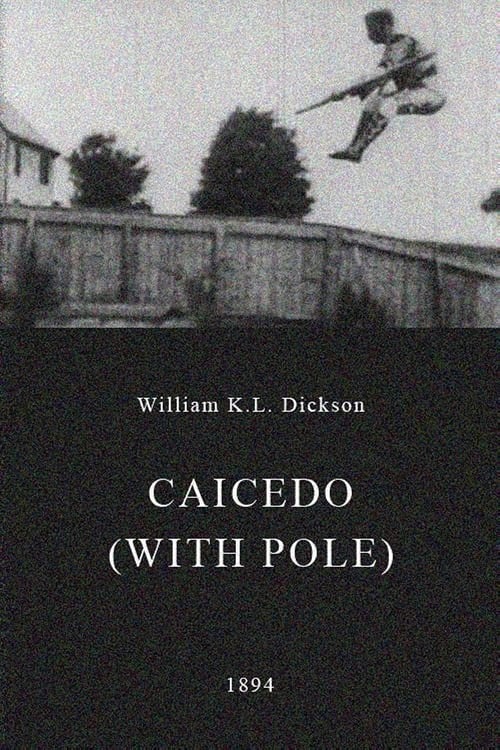
1894
1905
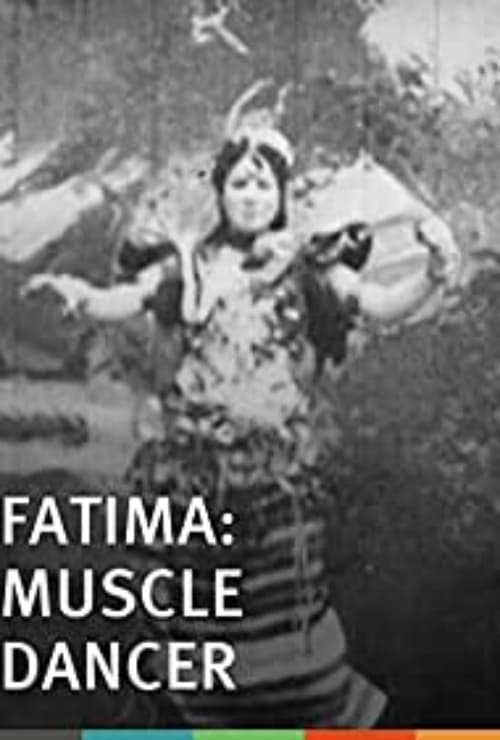
1896
1896
No reviews yet. Be the first to share your thoughts on this movie!
Use the rating form above to leave a star rating and optional review.