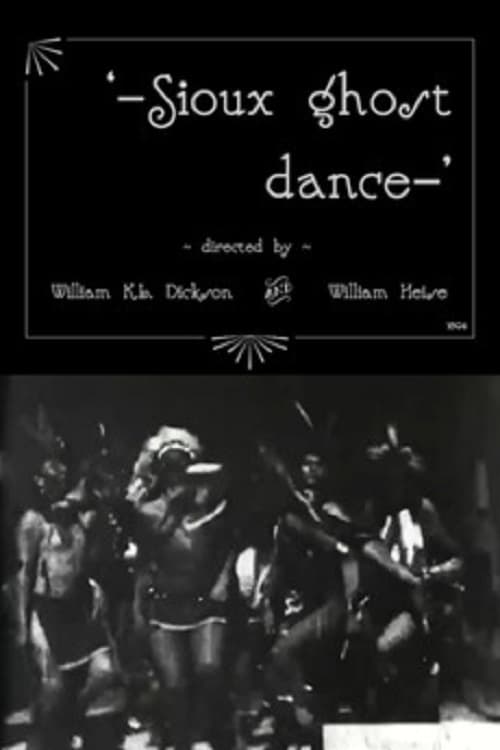
Sioux Ghost Dance
1894
No user ratings available yet
Representation score: 3.8 out of 10

Representation Score
Limited
1894
Not RatedDirector
William K.L. Dickson, William Heise
Runtime
1 minutes
Average Rating
No ratings yetNew Showbiz Analysis
Buffalo Dance serves as a significant historical document that predates harmful 'redface' caricatures in later Western films. By featuring authentic members of the Sioux Tribe, the film offers a rare glimpse of non-white individuals in early cinema. However, it is constrained by its brief ethnographic format and does not delve into broader social issues or diverse identity spectrums. While the film lacks modern storytelling that reflects multiple aspects of identity, it captures a moment of cultural expression free from typical Western narrative structures. The subjects are presented as authentic cultural practitioners rather than stereotypical cinematic figures.
Category Breakdown
The film focuses on a traditional dance and does not include any LGBTQ+ characters or non-cisgender identities.
The footage highlights Sioux warriors performing a traditional dance and does not reinforce gender stereotypes.
The film showcases genuine members of the Sioux Tribe, presenting them as authentic cultural practitioners rather than caricatured figures.
The film captures a culture facing systemic displacement and loss of tradition, with the subjects expressing a sense of loss through their gaze towards the camera.
There are no characters with visible or invisible disabilities featured in the film.
Present on Screen
Limited or Absent
Official Synopsis
Long before Hollywood started painting white men red and dressing them as 'Injuns' Edison's company was using the genuine article! Featuring for what is believed to be the Native Americans first appearance before a motion picture camera 'Buffalo Dance' features genuine members of the Sioux Tribe dressed in full war paint and costume! The dancers are believed to be veteran members of Buffalo Bill's Wild West Show. Filmed again at the Black Maria studios by both Dickson and Heise the 'Buffalo Dance' warriors were named as Hair Coat, Parts His Hair and Last Horse. Its quite strange seeing these movies at first they all stand around waiting to begin and as they start some of the dancers look at the camera in an almost sad way at having lost their way of life.
1894
1894
1948
1908
No reviews yet. Be the first to share your thoughts on this movie!
Use the rating form above to leave a star rating and optional review.