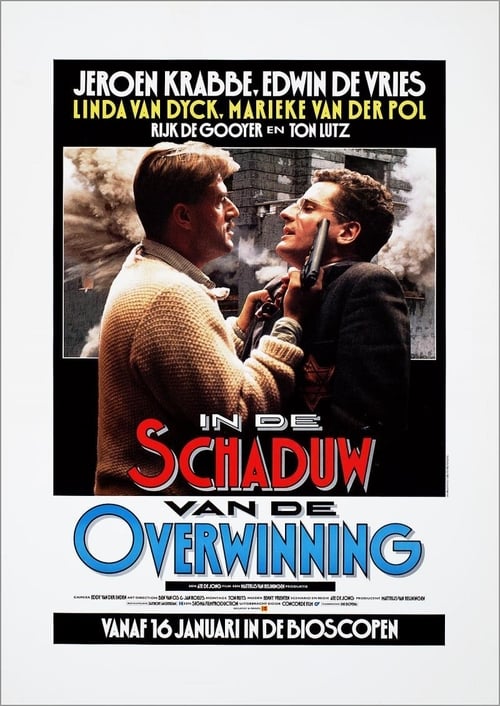
Shadow of Victory
1986
No user ratings available yet
Representation score: 2.2 out of 10
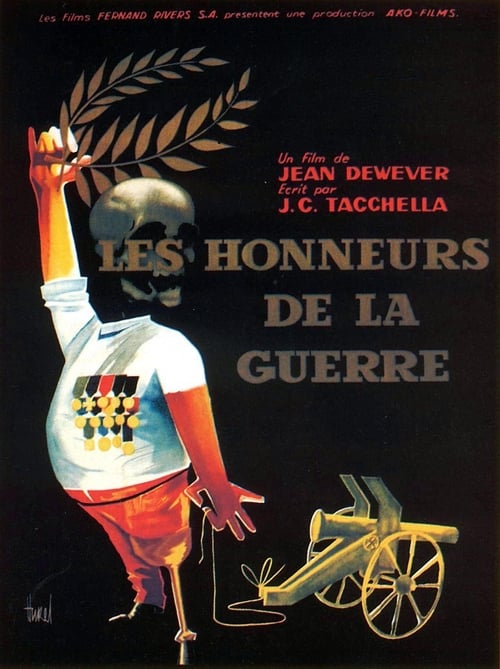
Representation Score
Minimal
1962
Director
Jean Dewever
Runtime
85 minutes
Average Rating
No ratings yetNew Showbiz Analysis
The Honors of War is a traditional period war drama that prioritizes historical accuracy over social issues. The narrative focuses on the mechanics of military conflict and the breakdown of diplomacy during the liberation of France. While the film provides a nuanced look at the friction between civilian populations and military structures, it lacks intentional representation of diverse identities. The story remains rooted in the demographics of its 1944 setting. Ultimately, the film serves as a study of systemic collapse and human misunderstanding rather than a vehicle for exploring diverse social hierarchies.
Category Breakdown
The film focuses on the geopolitical and military tensions of the 1944 liberation. There is no mention of LGBTQ+ identities or stories centered around them.
The plot centers on male-dominated military conflicts. While village inhabitants likely include women, the main characters are military leaders.
Set in a French village during WWII, the narrative suggests a predominantly white cast. There is no evidence of diverse casting or non-white characters.
The film explores the tension between civilian peace efforts and military authority during wartime. It depicts the chaotic reality of survival rather than a singular moral framework.
There is no evidence within the context to suggest the inclusion of characters with physical or cognitive disabilities.
Present on Screen
Limited or Absent
Official Synopsis
One morning in August 1944, the inhabitants of a French village are celebrating their premature liberation. The festivities are interrupted by the arrival of an exhausted, leaderless German detachment. A few kilometers away, the inhabitants of the village of Muzière negotiate with the Germans and agree to a truce. But the arrival of a Wehrmacht captain, anxious to regain control of the men, puts an end to this fragile peace process. The captain suggested meeting the Americans and surrendering to regular troops rather than civilians. The inhabitants of Muzière, believing the truce to be broken, fire on the Germans and, on this misunderstanding, the guns start talking again.
1986
1961
1981
1968
1960

1957

1957
1976
No reviews yet. Be the first to share your thoughts on this movie!
Use the rating form above to leave a star rating and optional review.