
Thieves
1930
No user ratings available yet
Diversity score: 2.5 out of 10
No Poster Available
1936
ApprovedDirector
Roland D. Reed
Runtime
67 minutes
Average Rating
No ratings yetSynopsis
Three vaudeville actors after being suspected of a jewel theft and going off to war in 1917 are reconciled in 1917.
Overall Score
Limited
Category Breakdown
LGBTQ+ Representation
The film lacks any depiction of non-cisnormative identities or same-sex intimacy. It adheres to the heteronormative storytelling conventions typical of the 1936 era.
Gender Representation
The narrative centers on the professional and personal reconciliation of three male actors. It prioritizes male agency and camaraderie without subverting traditional gender hierarchies.
Racial & Ethnic Diversity
The production likely follows the homogeneous casting patterns common in the mid-1930s. There is no evidence of a multi-ethnic cast or characters of color with significant agency.
Religious & Cultural Diversity
The plot functions as a traditional comedic reconciliation narrative. It focuses on navigating wartime realities rather than offering any critique of Western institutions or social orders.
Disability Representation
There is no information available regarding the portrayal of physical or neurodivergent characters. No specific evidence of disability is present in the film's description.
Strengths
Areas for Improvement
AI Analysis
In Paris, A.W.O.L. is a product of its time, reflecting the standard studio-era comedy frameworks of 1936. The story focuses on three vaudeville actors navigating jewel theft suspicions and wartime reconciliation, a plot that leans heavily into conventional social structures. The film lacks intentionality in disrupting established tropes. Instead, it utilizes traditional narrative architectures that prioritize homogeneous casting and established social hierarchies. Ultimately, the work functions as a standard genre piece. It mirrors the cultural and social constraints of the mid-1930s rather than challenging them.
1930
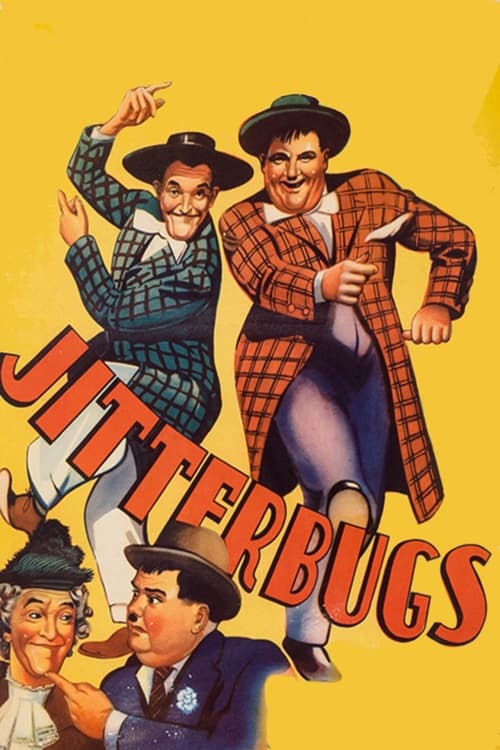
1943
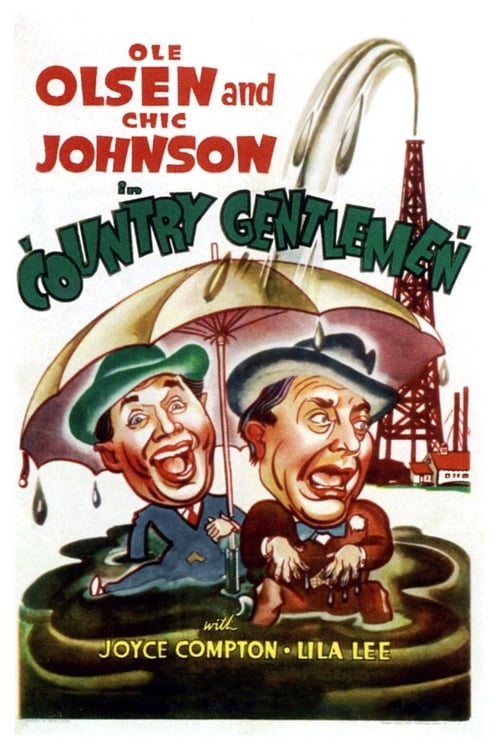
1936
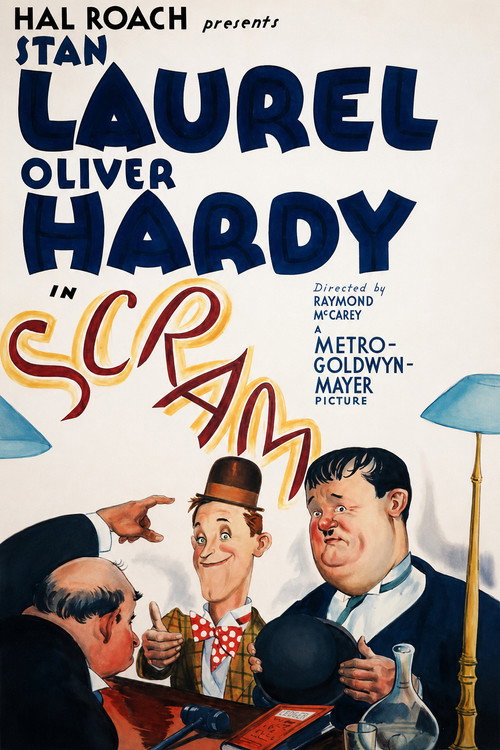
1932
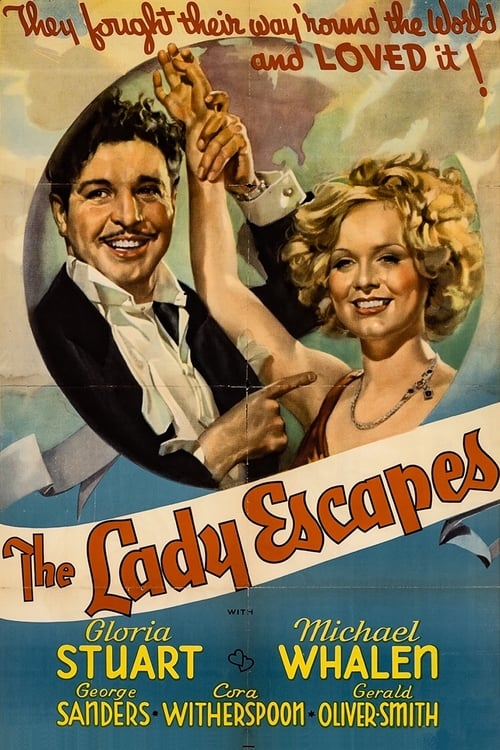
1937
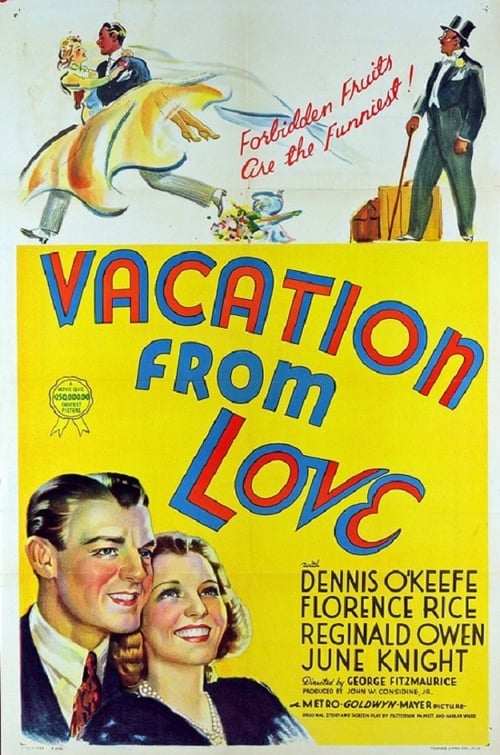
1938
1935
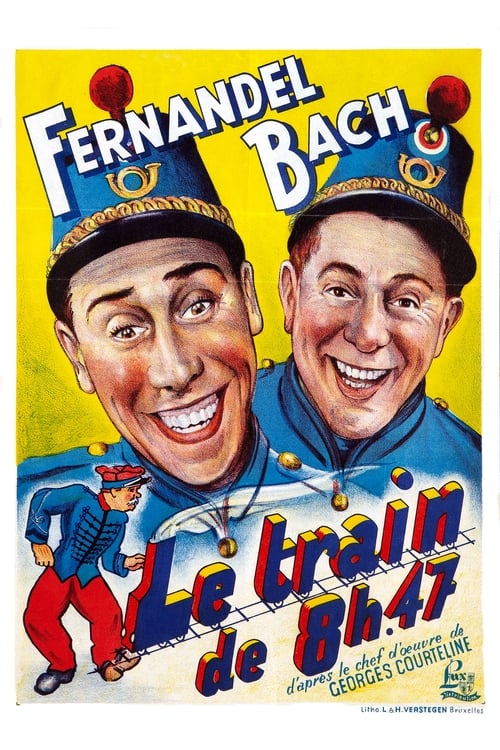
1934
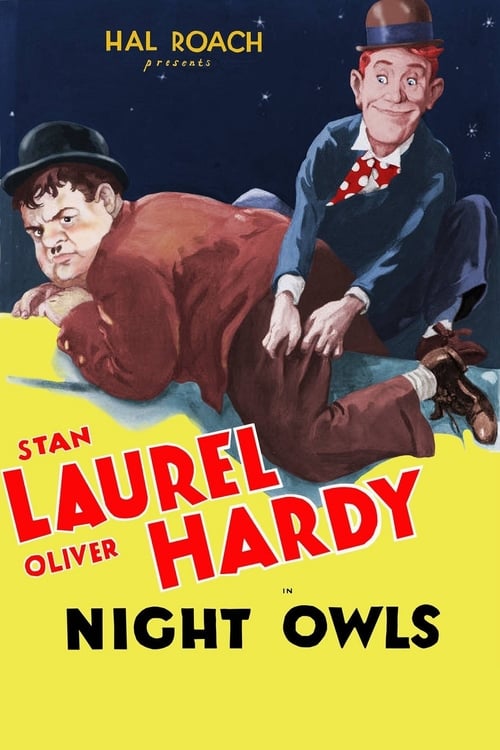
1930
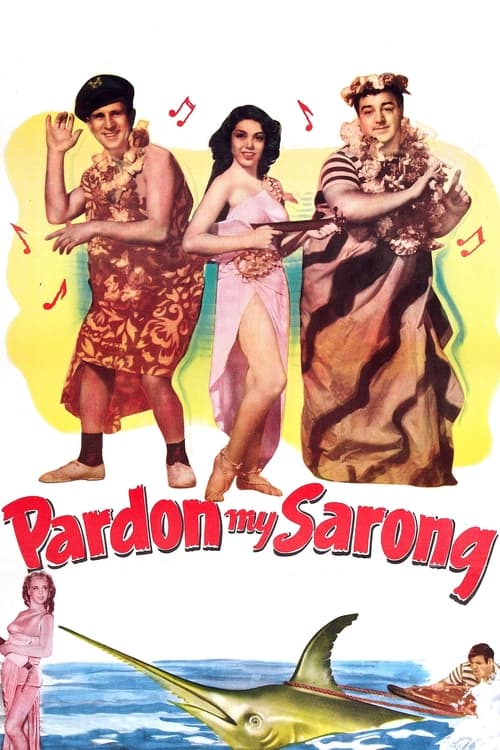
1942
1934
1937
No reviews yet. Be the first to share your thoughts on this movie!
Use the rating form above to leave a star rating and optional review.