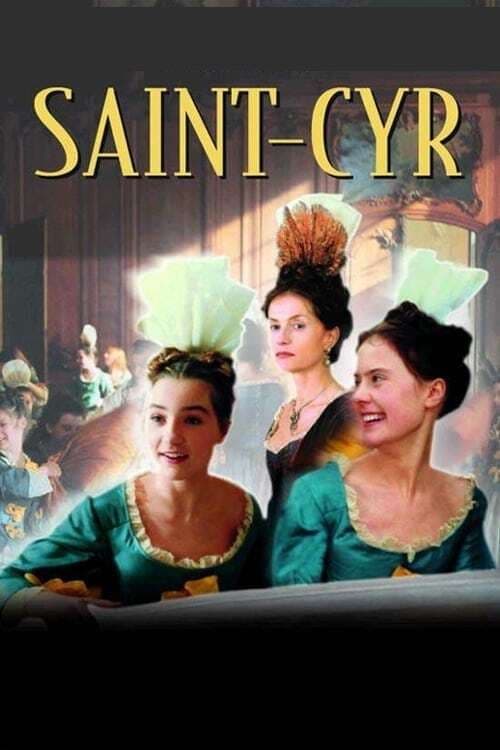
The King's Daughters
2000
No user ratings available yet
Diversity score: 6.4 out of 10
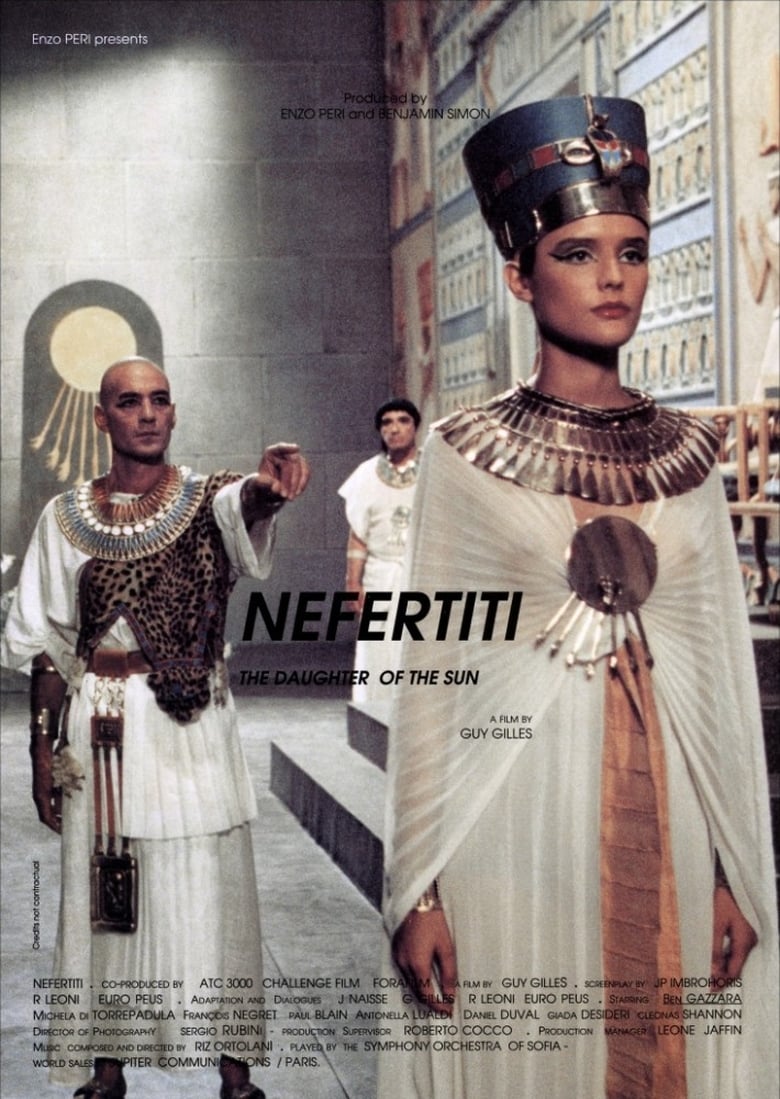
1994
Director
Guy Gilles
Runtime
67 minutes
Average Rating
No ratings yetSynopsis
Tadushepa grows from a young princess from the Mitanni kingdom to the legendary Queen Nefertiti of Egypt. The film starts with the discovery of her bust by a German archaeologist in 1912 and then turns the time back to the moment just before she is married to the old Pharaoh Amanophis III. She must say goodbye to her lover, the sculptor Yame. But in Egypt she appears to have a great talent for power. After the death of Amanophis she collapses on the heir to the throne Akhematon.
Overall Score
Fair
Category Breakdown
LGBTQ+ Representation
The story centers on a traditional heterosexual romantic arc between Tadushepa and the sculptor Yame. There is no evidence of non-cisnormative identities or critiques of heteronormativity.
Gender Representation
Nefertiti is depicted as a woman with significant political agency and a talent for power. She actively navigates historical shifts and influences the succession of the Egyptian throne.
Racial & Ethnic Diversity
The film centers non-Western, ancient power structures in the Mitanni and Egyptian kingdoms. However, a 1912 timeline featuring a German archaeologist introduces a Western colonial perspective.
Religious & Cultural Diversity
The narrative explores complex ancient power dynamics and shifting political alliances. It functions as a standard historical drama without explicit themes of institutional or anti-capitalist critique.
Disability Representation
The film provides no visible or invisible representation of characters with disabilities.
Strengths
Areas for Improvement
AI Analysis
Nefertiti: Daughter of the Sun succeeds in subverting typical historical tropes by centering a female protagonist with genuine political intellect and agency. Rather than a passive figure, she is a driver of historical change. However, the film remains tethered to traditional romantic structures and a Western lens. The inclusion of a German archaeologist suggests the non-Western history is viewed through a colonial, academic perspective. While the film offers a nuanced look at ancient leadership, it lacks diversity in terms of LGBTQ+ identities and disability representation.
2000

2013

1984
2001
2003

1994

2023
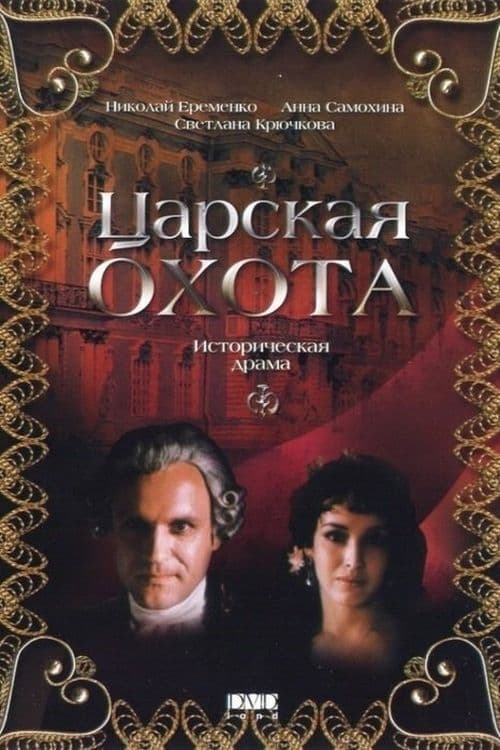
1990
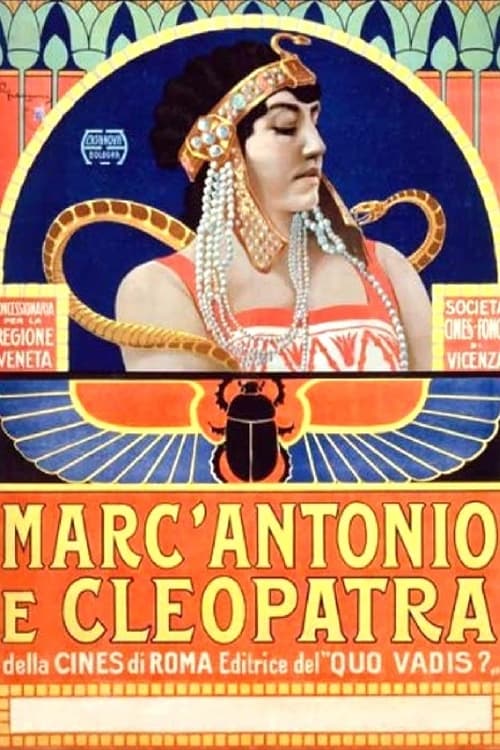
1913
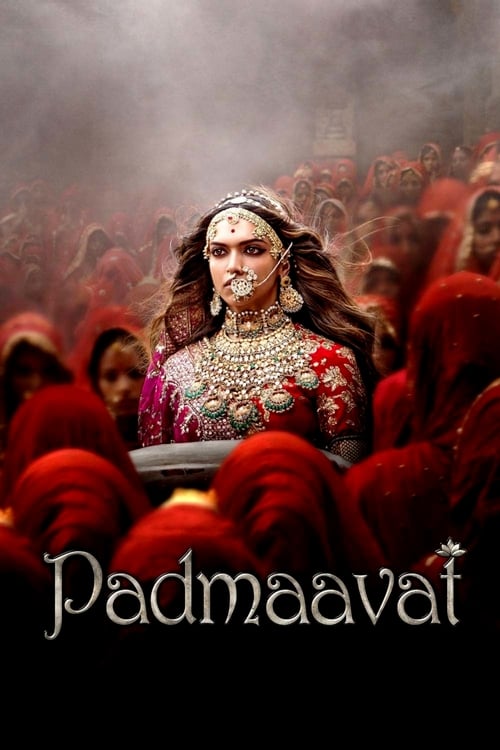
2018

1936

1953
No reviews yet. Be the first to share your thoughts on this movie!
Use the rating form above to leave a star rating and optional review.