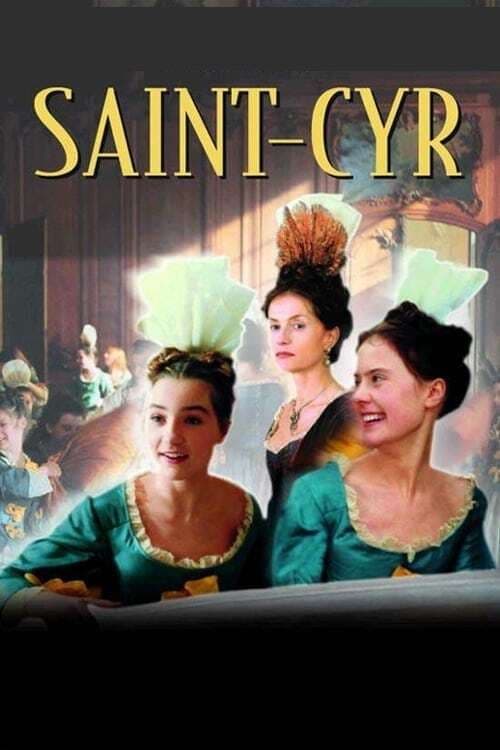
The King's Daughters
2000
No user ratings available yet
Representation score: 6.0 out of 10

Representation Score
Good
2023
Director
Maïwenn
Runtime
117 minutes
Average Rating
No ratings yetNew Showbiz Analysis
Maïwenn delivers a sophisticated piece of historical revisionism that uses a period setting to critique traditional power structures. The film's primary strength is its progressive treatment of gendered ability to act, transforming the cliché of the submissive mistress into a story of calculated reclamation of power. While the film excels in deconstructing class-based morality and patriarchal hierarchies, it remains tethered to the era's social realities. The racial landscape is homogeneous, and the narrative lacks explicit LGBTQ+ representation, focusing instead on the straight-centered dynamics of the court. Ultimately, the work shifts the cinematic focus from institutional stability to individual autonomy. It succeeds as a critique of inherited power, even while operating within the aesthetic and demographic constraints of its historical period.
Category Breakdown
The film focuses on the power dynamics within the 18th-century French court, which assumes everyone is straight or cisgender. It lacks explicit queer romantic relationships or non-cisgender identities as central plot drivers.
Jeanne is portrayed who play a significant role in driving the story rather than as a passive object. She uses her intellect and sexual autonomy to navigate and manipulate a patriarchal system.
The narrative reflects the homogeneous racial landscape of the 18th-century French aristocracy. It does not actively seek to disrupt the period's racial status quo.
The film critiques the hypocrisy of the monarchy and aristocracy. It highlights the tension between individual liberation and the constraints of religious and state authority.
The narrative does not focus on physical or neurodivergent disabilities. It prioritizes socioeconomic and gendered struggles instead.
Present on Screen
Limited or Absent
Official Synopsis
The life of Jeanne Bécu, who was born as the illegitimate daughter of an impoverished seamstress in 1743 and went on to rise through the Court of Louis XV to become his last official mistress.
2000
1988
1956
1994
2006
2000
2013
1934
No reviews yet. Be the first to share your thoughts on this movie!
Use the rating form above to leave a star rating and optional review.