
Jeanne du Barry
2023
No user ratings available yet
Representation score: 7.8 out of 10
Representation Score
Good
2000
Director
Patricia Mazuy
Runtime
119 minutes
Average Rating
No ratings yetNew Showbiz Analysis
The film excels at deconstructing 17th-century hierarchies, focusing on the complex power dynamics between women and the institutions they inhabit. It avoids romanticizing the past, instead presenting a gritty look at how social mobility and religious morality are used as tools of control. However, the work remains limited by its period setting, offering no explicit representation of LGBTQ+ identities. While women's ability to drive the story is a central theme, the narrative's scope is primarily confined to the social strata of the French nobility and the Church.
Category Breakdown
The film does not include explicit LGBTQ+ characters or identities. Intense emotional bonds exist between female characters, but they are framed within the social norms of the time.
The narrative centers on women's ability to drive the story and achieve social mobility. By portraying Madame de Maintenon as a politically influential figure, the film challenges traditional clichés of submissive historical women.
The story acknowledges broader colonial contexts and diverse social layers. It moves beyond a monolithic view of the era by exploring the intersections of class and individual influence.
The film critiques how religious dogma and political maneuvering intersect. It frames spiritual atonement as a mechanism of social control within the rigid structures of the Church and Monarchy.
There is no significant evidence regarding the portrayal of visible or invisible disabilities within the narrative.
Present on Screen
Limited or Absent
Official Synopsis
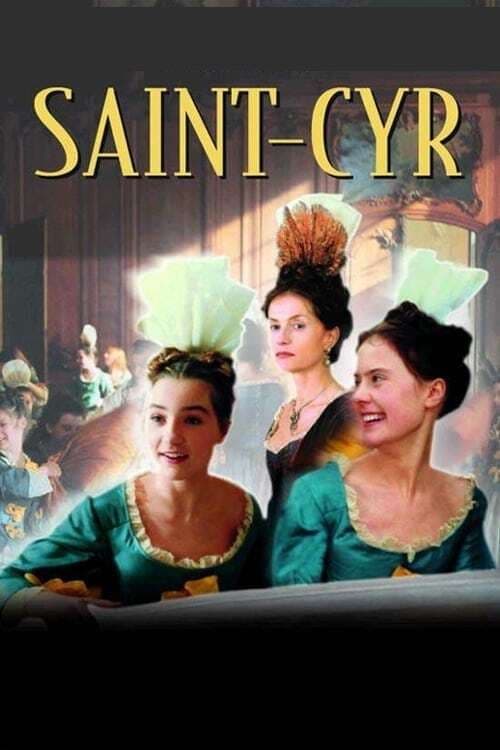
Late 17th Century: Anne de Grandcamp and Lucie de Fontenelle, two little girls from Normandy, arrive at the Saint-Cyr school founded by Madame de Maintenon for educating the daughters of impoverished nobles ruined in wars and making them into free women. Madame de Maintenon is the secret wife of Louis XIV, and empowered by his support, she offers "her" two hundred fifty girls a playful and avant-garde education. Anne and Lucie, two inseparable friends, allow themselves to be carried away by the promise of a bright future. But Maintenon has arrived at the pinnacle of power through scheming and debasing herself and she now fears the fires of hell. She is counting on her model school to atone for her past sins.
2023
1994
1956
1921
2001

2010
2006
1969
No reviews yet. Be the first to share your thoughts on this movie!
Use the rating form above to leave a star rating and optional review.