
The Princess of Montpensier
2010
No user ratings available yet
Representation score: 3.9 out of 10
Representation Score
Fair
1994
RDirector
Patrice Chéreau
Runtime
138 minutes
Average Rating
No ratings yetNew Showbiz Analysis
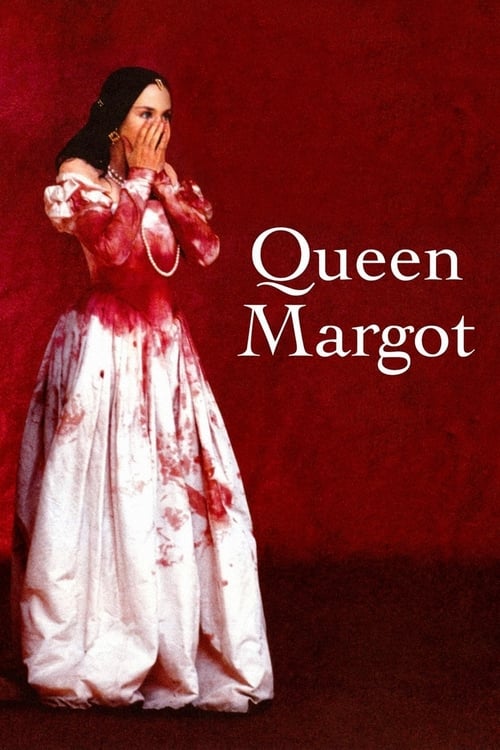
Queen Margot stands out for its subversion of traditional gender hierarchies and its critical look at institutional authority. By focusing on female intelligence and political strategy over male fanaticism, it avoids typical issues found in historical romances. However, the film's strict adherence to the racial homogeneity of its time limits its diversity score. This lack of ethnic diversity prevents it from achieving higher ratings. Ultimately, the film's strength lies in its moral ambiguity. It presents a raw look at systemic corruption and the breakdown of social order, replacing sanitized history with a more realistic portrayal.
Category Breakdown
The film doesn't explicitly show LGBTQ+ identities or non-cisgender expressions. Instead, it portrays a world where sexual relationships are based on transactions rather than traditional heterosexual norms.
Women play key roles in the film, acting as strategic political leaders while men are often portrayed as unstable or incompetent. This challenges the usual idea of male dominance and highlights women's influence.
The cast is made up of actors who fit the historical context of 16th century France, which limits ethnic diversity. However, the film avoids harmful stereotypes and stays true to its period.
The film criticizes Western institutions by showing the monarchy and religion as sources of violence. It uses moral relativism to question the idea of divine right and religious virtue.
The film does not feature significant or central portrayals of visible or invisible disabilities.
Present on Screen
Limited or Absent
Official Synopsis
Paris, Kingdom of France, August 18, 1572. To avoid the outbreak of a religious war, the Catholic princess Marguerite de Valois, sister of the feeble King Charles IX, marries the Huguenot King Henry III of Navarre.
2010
1969

2013

1986

1956
2000

1997

1963
No reviews yet. Be the first to share your thoughts on this movie!
Use the rating form above to leave a star rating and optional review.