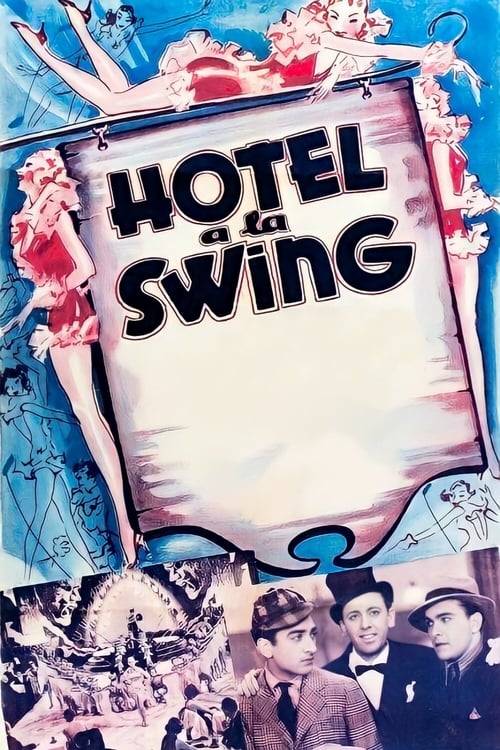
Hotel a la Swing
1937
No user ratings available yet
Diversity score: 2.4 out of 10
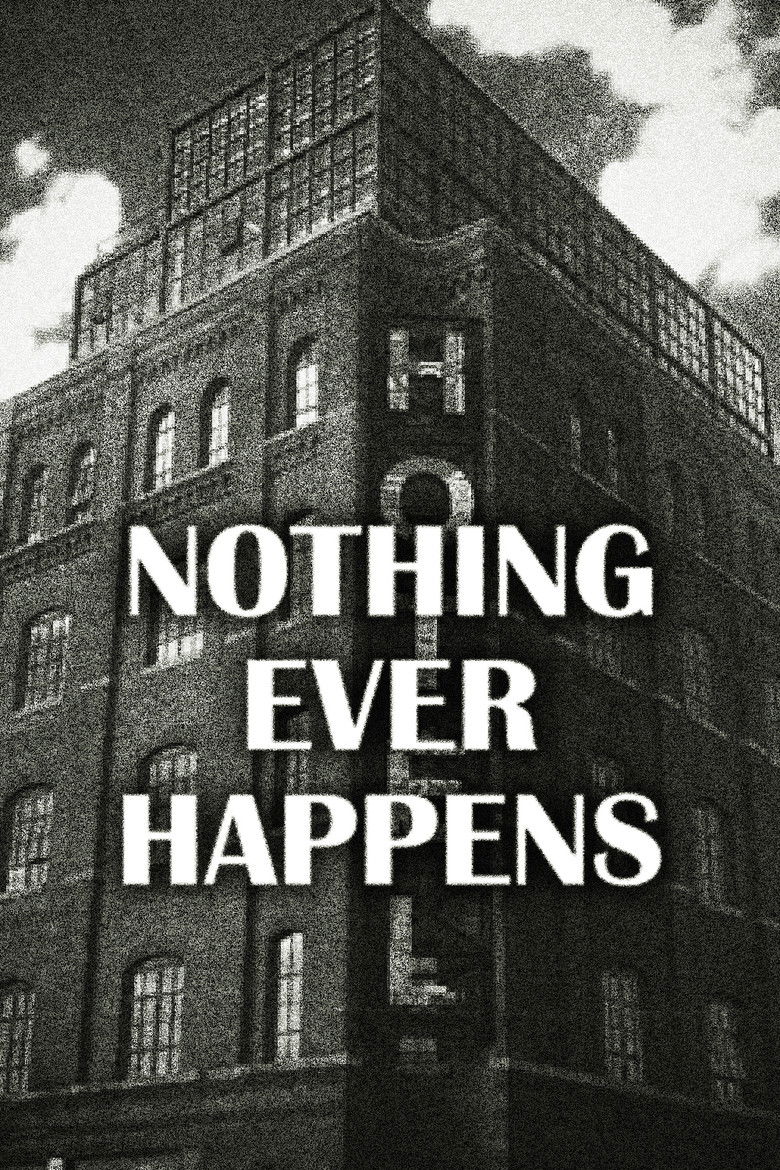
1933
PassedDirector
Roy Mack
Runtime
19 minutes
Average Rating
No ratings yetSynopsis
In this parody of Grand Hotel, despite a dying man's efforts to enjoy his final days, a jewel thief trying to comfort a great dancer, and a big business deal in progress, there are still those who say that "nothing ever happens here."
Overall Score
Limited
Category Breakdown
LGBTQ+ Representation
The film lacks any indication of non-heteronormative identities or narratives. It appears to adhere to the strict traditional social structures common in 1933 cinema.
Gender Representation
The story features a great dancer and a jewel thief, but these roles follow conventional comedic archetypes. There is no evidence of subverting traditional gender hierarchies.
Racial & Ethnic Diversity
The narrative focuses on class-based archetypes rather than racial or ethnic identity. The casting appears to follow the homogeneous norms typical of early 1930s studio productions.
Religious & Cultural Diversity
The setting centers on high-society hotel life and Western capitalist structures. The parody relies on established social hierarchies rather than deconstructing Western institutions.
Disability Representation
A dying man is mentioned, but this serves as a plot device for melodrama. There is no meaningful exploration of disability or neurodivergence.
Strengths
Areas for Improvement
AI Analysis
Nothing Ever Happens is a musical parody that prioritizes genre tropes and slapstick over deep character studies. It functions as a comedic response to the dramatic standards of its era, specifically targeting the themes of Grand Hotel. The film operates within the conventional social and identity-based expectations of the early 1930s. It utilizes established archetypes—such as the dying man and the business professional—to drive its comedic engine rather than challenging existing social hierarchies. Ultimately, the work lacks intentionality regarding the disruption of traditional norms. It remains a product of its time, reflecting the homogeneous casting and structural constraints of early sound-era cinema.
1937
1943
1947
1937
1930

1929
1943
1931
1934
1930
1933
1929
No reviews yet. Be the first to share your thoughts on this movie!
Use the rating form above to leave a star rating and optional review.