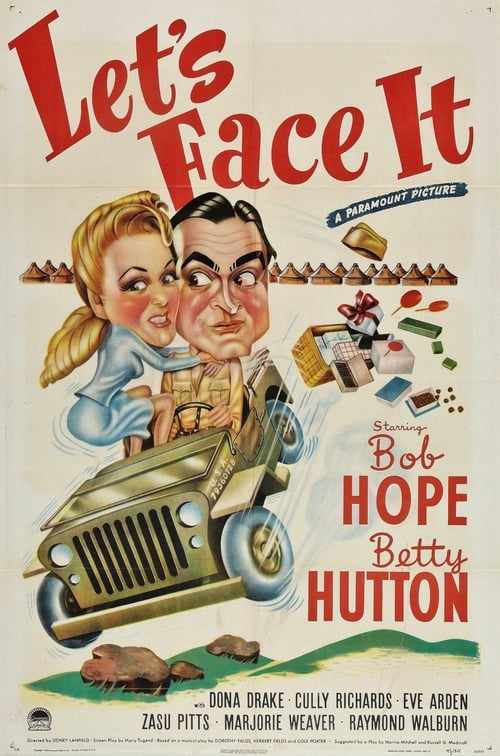
Let's Face It
1943
No user ratings available yet
Representation score: 0.4 out of 10
Representation Score
Limited
1943
ApprovedDirector
Erle C. Kenton
Runtime
61 minutes
Average Rating
No ratings yetNew Showbiz Analysis
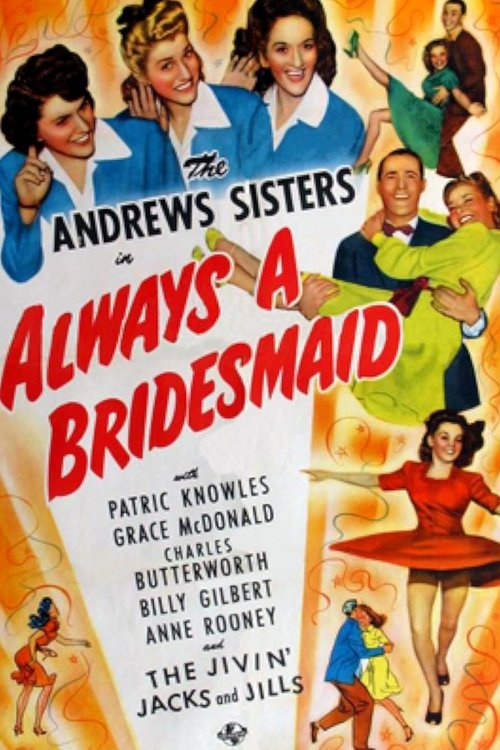
Always a Bridesmaid is a product of the 1940s studio system, prioritizing conventional archetypes over social subversion. While it offers a glimpse of female professional competence through its female lead, the narrative remains firmly rooted in the era's traditional hierarchies. The film functions as a standard musical comedy, focusing on a con artist and legal investigation. It reinforces established social orders rather than challenging them, resulting in a narrow scope of representation. Ultimately, the film reflects the era's lack of diversity, presenting a world defined by traditional masculinity and homogeneous casting.
Category Breakdown
The film does not include any LGBTQ+ characters or narratives. It follows traditional romantic and social structures.
Linda Marlowe plays a significant role as a lady detective, providing a sense of female empowerment. However, authority remains centered around masculine figures such as the District Attorney and the Colonel.
The production adheres to the homogeneous casting norms of the early 1940s. There is no evidence of a non-white majority cast or diverse ethnic representation.
The story focuses on law enforcement and social status, aligning with established institutional values. It does not critique Western social or economic structures.
There is no information regarding characters with visible or invisible disabilities in this production.
Present on Screen
Limited or Absent
Official Synopsis
The plot this time concerns a Lonely Hearts club which is used as a front by con artist Colonel Winchester. Trying to promote a phony formula for synthetic rubber, Winchester gets mixed up with diligent young DA Tony Warren and lady detective Linda Marlowe.
1943
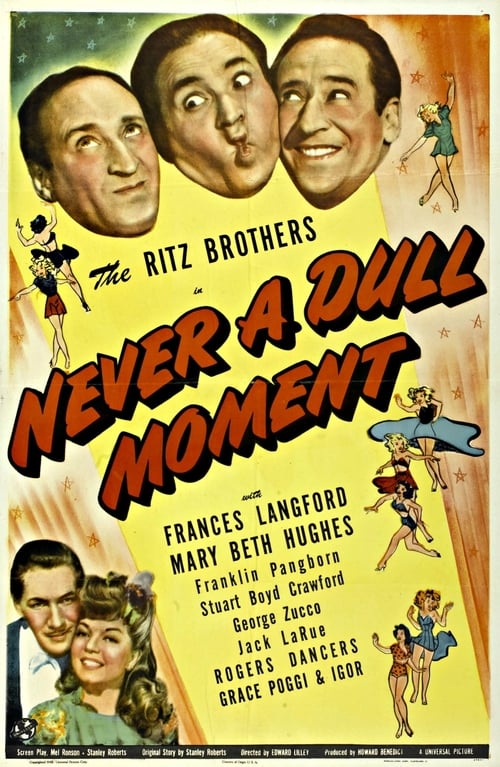
1943
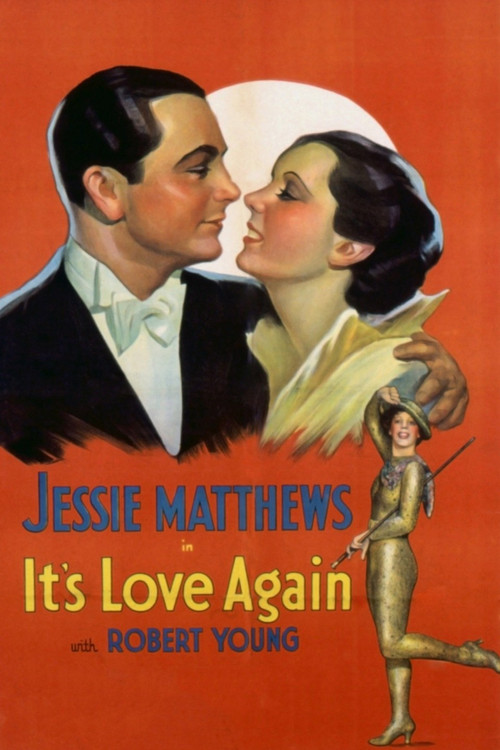
1936
1940
1943
1951
1943

1934
No reviews yet. Be the first to share your thoughts on this movie!
Use the rating form above to leave a star rating and optional review.