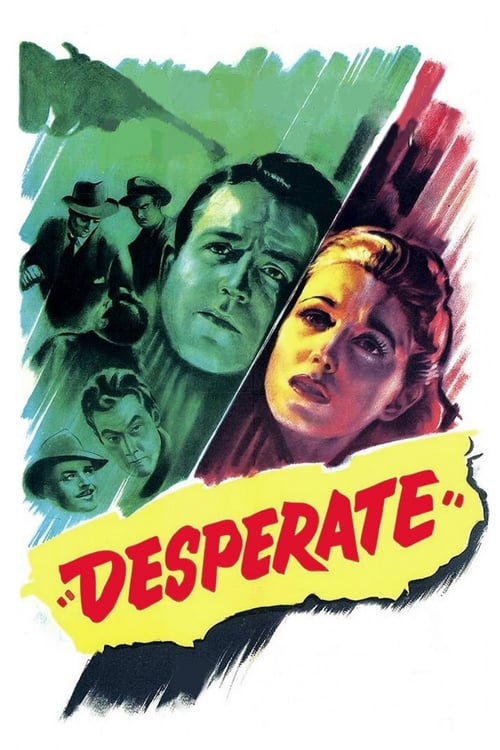
Desperate
1947
No user ratings available yet
Representation score: 0.3 out of 10
Representation Score
Minimal
1940
ApprovedDirector
Terry O. Morse
Runtime
53 minutes
Average Rating
No ratings yetNew Showbiz Analysis
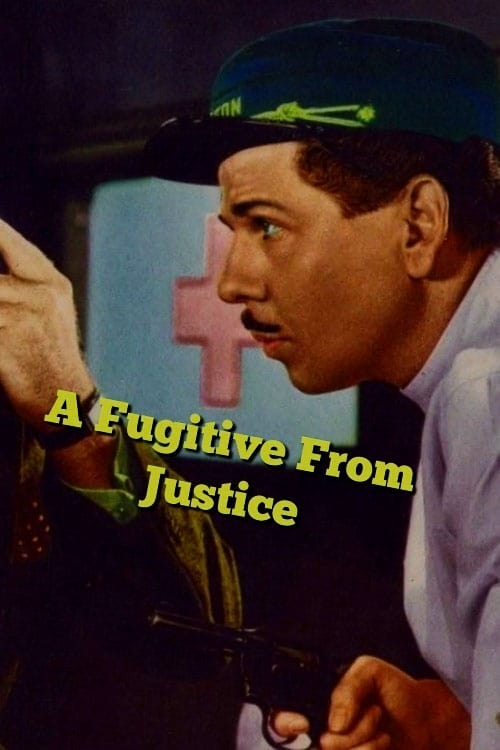
A Fugitive from Justice is a traditionalist crime drama that prioritizes a singular, individualist struggle against systemic error. The plot follows a 'wronged man' cliché, focusing on a protagonist's attempt to clear his name and protect his family. The film adheres to established patriarchal structures and lacks any intentionality regarding diverse identities or casting. It upholds the existing social order, centering on the preservation of the nuclear family and the restoration of legal status within a homogeneous framework.
Category Breakdown
The film does not include any queer subtext or non-binary gender identities. It operates within a strictly heterosexual framework typical of its era.
Gender roles follow mid-century norms where the male protagonist acts as the primary protector, while female characters serve largely as domestic anchors for his motivation.
The cast appears homogeneous, reflecting the Anglo-centric norms of 1940s crime procedurals. There is no evidence of diverse ethnic representation.
The story reinforces traditional Western values and the sanctity of the nuclear family. It focuses on restoring legal standing rather than critiquing social institutions.
There is no evidence of characters with physical or invisible disabilities. The narrative does not engage with neurodivergent perspectives.
Present on Screen
Limited or Absent
Official Synopsis
Leslie is being chased by the gangsters, the police and the insurance investigators. He is on the run. Falsely accused of a murder, he embarks upon a life-and-death journey to save his family.
1947

1949

1947

1950
1945

1956

1939

1936
No reviews yet. Be the first to share your thoughts on this movie!
Use the rating form above to leave a star rating and optional review.