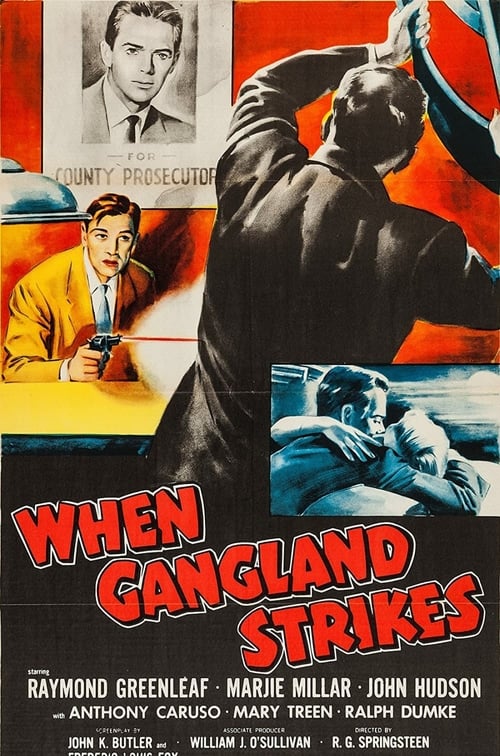
When Gangland Strikes
1956
No user ratings available yet
Diversity score: 2.5 out of 10
1955
NRDirector
R.G. Springsteen
Runtime
70 minutes
Average Rating
No ratings yetSynopsis
Marc Hill is the attorney for Emmet Devrey, a real estate developer with a past, who is being blackmailed by his former partner Sam Baggett. When Sam's unfaithful wife Marge cooks up a scheme with her used car salesman lover Jeff Calder to bilk both Devrey and her alcoholic husband, Sam is killed and Devrey is accused of the crime. Mark is called to prove his employers innocence.
Overall Score
Minimal
Category Breakdown
LGBTQ+ Representation
The film operates within a strictly heteronormative framework. It focuses on heterosexual romantic entanglements and marital infidelity without any queer subtext.
Gender Representation
Women drive the plot through interpersonal manipulation and domestic betrayal. However, the professional and legal spheres remain dominated by male archetypes.
Racial & Ethnic Diversity
The narrative reflects the homogeneous social structures of 1950s America. It reinforces a white-centric norm with no documented evidence of racial blending.
Religious & Cultural Diversity
The story adheres to traditional mid-century moral frameworks. It functions as a cautionary tale that reinforces the importance of established legal institutions.
Disability Representation
There are no depictions of neurodivergence, physical disabilities, or chronic illness. Characters are presented through standard archetypes without addressing disability.
Strengths
Areas for Improvement
AI Analysis
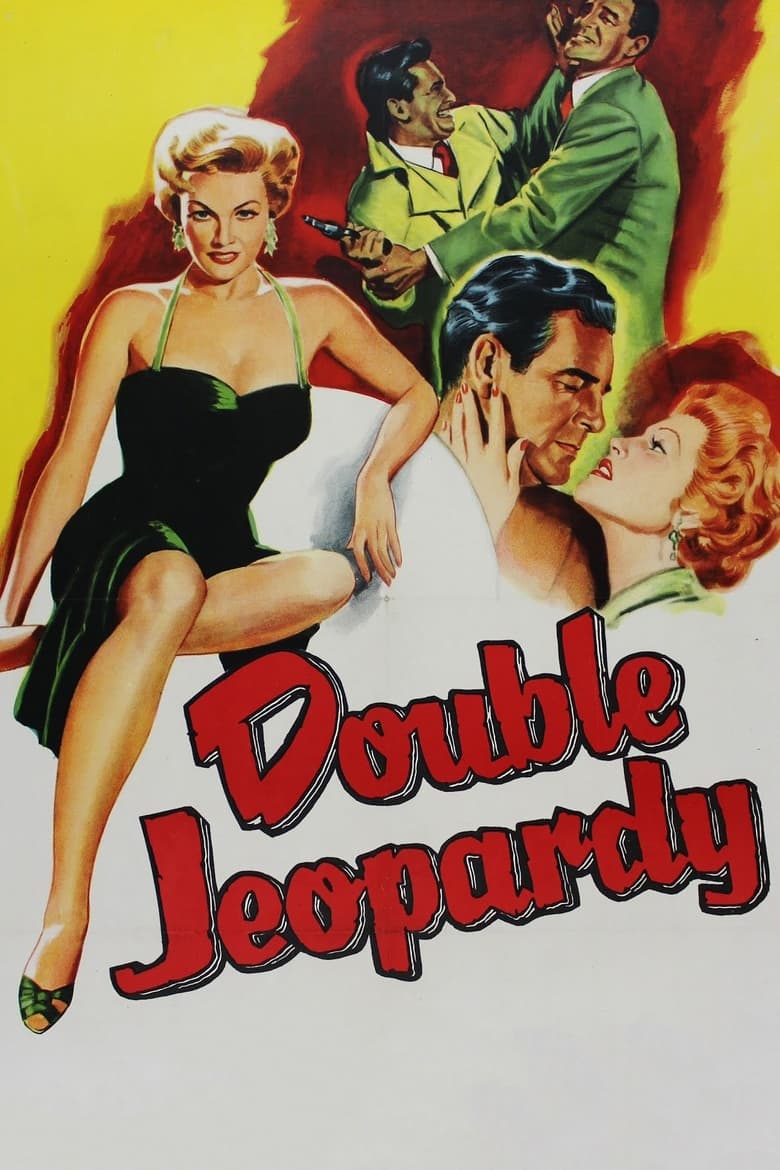
Double Jeopardy is a quintessential mid-century crime drama that prioritizes narrative momentum over social subversion. It functions as a genre piece that upholds the status quo of the 1950s cinematic landscape. The film relies heavily on traditional hierarchies. Gender roles are defined by domestic manipulation, while racial and cultural depictions remain homogeneous and centered on white-centric social norms. Ultimately, the work lacks the intentionality required to disrupt conventional expectations. It serves as a standard example of the era's industrial and social standards.
1956
1951
1957
1947
1950
1951

1945
1956
1955
1954
1955
1955
No reviews yet. Be the first to share your thoughts on this movie!
Use the rating form above to leave a star rating and optional review.