
The Terence Davies Trilogy
1983
No user ratings available yet
Representation score: 5.5 out of 10
Representation Score
Fair
1983
Director
Terence Davies
Runtime
27 minutes
Average Rating
No ratings yetNew Showbiz Analysis
Terence Davies presents a contemplative exploration of memory and personal identity. The film prioritizes psychological complexity and the dismantling of conventional social structures over broad demographic representation. While the narrative likely centers on a specific cultural context typical of 1983 Britain, it excels in questioning institutional norms. The focus remains on the fluidity of memory rather than conventional biographical storytelling. Ultimately, the work serves as an impressionistic examination of identity. It favors nuanced character development and the subversion of traditional narrative structures.
Category Breakdown
The film likely addresses non-straight identities and challenges assumptions about traditional relationships. Terence Davies' past work indicates a focus on complex portrayals of intimacy and identity.
The introspective narrative emphasizes inner psychological experiences. This approach avoids typical gender stereotypes and traditional male-dominated structures.
Given the 1983 British setting and focus on a single individual's memories, the film likely reflects a specific cultural environment. This may limit the diversity of characters and settings.
The film examines death and life through a lens of moral ambiguity. It leans towards secular or spiritual explorations of the human experience rather than strict religious doctrine.
There is no indication of physical or cognitive disabilities being portrayed in the film.
Present on Screen
Limited or Absent
Official Synopsis
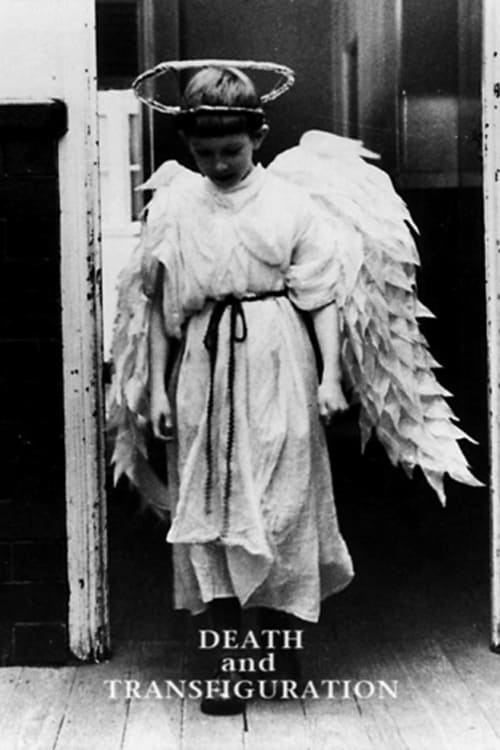
A British man on his deathbed recalls moments from his life.
1983
1988
1976
1976

1999
1983
1995
1992
No reviews yet. Be the first to share your thoughts on this movie!
Use the rating form above to leave a star rating and optional review.