The Long Day Closes
1992
No user ratings available yet
Representation score: 7.2 out of 10
Representation Score
Good
1976
Director
Terence Davies
Runtime
47 minutes
Average Rating
No ratings yetNew Showbiz Analysis
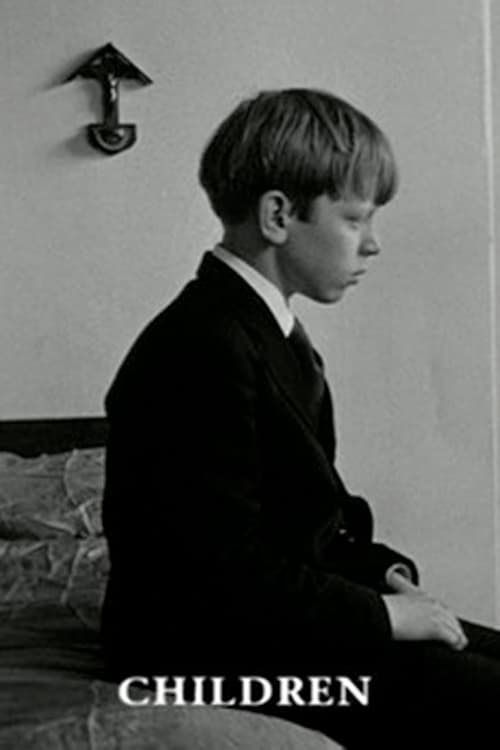
Terence Davies’ *Children* is an impressionistic exploration of memory and grief through a young boy’s eyes. It uses montage to delve into the psychological landscape of social isolation and loss. The film excels in its psychological depth and subtle critique of institutional authority, particularly regarding religion and family structures. However, its narrow focus on a specific historical and geographic context limits its racial and ethnic diversity.
Category Breakdown
The film focuses on Robert Tucker, whose internalized difference hints at a queer sensibility. His quiet nature and isolation challenge typical assumptions about childhood development.
The film portrays a domestic environment through traditional mid-century British roles. The mother is quiet, while the father is ill and angry, reflecting conventional gender dynamics of the time.
Set in working-class Liverpool, the cast and setting are predominantly white. The film highlights the homogeneity of the protagonist’s social environment without much diversity.
The film critiques traditional institutions by showing the Catholic school system as a place of bullying. It emphasizes individual experiences over rigid social structures of the era.
The protagonist's profound social alienation and lack of emotional response suggest a neurodivergent experience or trauma response. These traits are integral to his character but are not central plot devices.
Present on Screen
Limited or Absent
Official Synopsis
Robert Tucker, a young gay man who is almost without affect, sits in various waiting rooms. As he sits, he recalls events from the year of his childhood when his father dies. He's ten or eleven that year, picked on by bullies at the Catholic school he attends. He seems friendless. At home, his mother is quiet, his father is ill and angry. After his father's death, there's a wake, the coffin arrives, the body is removed. The lad grieves, alone.
1992
1976
1983

2003

1996
1993
1995
1967
No reviews yet. Be the first to share your thoughts on this movie!
Use the rating form above to leave a star rating and optional review.