Night Across the Street
2012
No user ratings available yet
Representation score: 7.6 out of 10
Representation Score
Limited
1999
Director
Raúl Ruiz
Runtime
163 minutes
Average Rating
No ratings yetNew Showbiz Analysis
Raúl Ruiz’s film is a stylized meditation on memory and subjectivity. It prioritizes a fragmented, subjective narrative that challenges traditional storytelling, focusing on identity and desire. While the film offers depth in exploring the fluidity of attraction and women's ability to drive the story, it remains confined to a homogeneous upper-class European context. This creates a tension between its intellectual complexity and its narrow cultural and racial framework.
Category Breakdown
The film explores desire through a Proustian lens, introducing subtle non-straight relationships. Intimacy is suggested through fluidity of attraction rather than explicit scenes.
The movie portrays the gender roles of the French Belle Époque. It focuses on the psychological depth and active role of its female characters, moving beyond typical stereotypes.
The cast is predominantly homogeneous, reflecting the early 1920s French aristocracy. The world is centered on the white, upper-class European elite with little racial blending.
The story is rooted in Western high culture and the experiences of the bourgeois class. It centers on the internal, aesthetic lives of the aristocracy without critiquing societal structures.
There is no significant depiction of physical or neurodivergent disabilities in the film.
Present on Screen
Limited or Absent
Official Synopsis
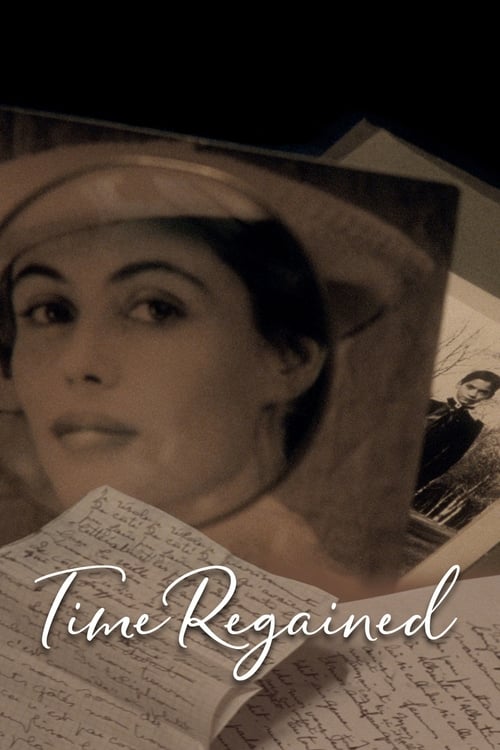
In early 1920s France, an author, lying on his deathbed, looks at various photographs and is flooded with memories of the people and events that have shaped his life.
2012

1963
1998
1988
2013

2023
1995
2008
No reviews yet. Be the first to share your thoughts on this movie!
Use the rating form above to leave a star rating and optional review.