
Violeta Went to Heaven
2011
No user ratings available yet
Representation score: 5.1 out of 10
Representation Score
Fair
1988
PG-13Director
Terence Davies
Runtime
84 minutes
Average Rating
No ratings yetNew Showbiz Analysis
Terence Davies presents a poetic, non-linear exploration of domestic life and class. The film successfully dismantles the idealized Western family, revealing it as a site of systemic trauma rather than a sanctuary. By prioritizing sensory memory over traditional plot, it highlights the psychological toll of patriarchal violence. However, the film's demographic scope is limited. It remains centered in a homogeneous white, working-class environment, which restricts its racial and ethnic diversity. The lack of LGBTQ+ representation further narrows its inclusivity within the historical setting. Ultimately, the work is a profound study of emotional instability. It prioritizes a deep, nuanced examination of gendered existence and the long-term effects of childhood trauma over broad demographic representation.
Category Breakdown
The film focuses on a mid-20th-century working-class family unit. It does not include explicit LGBTQ+ identities or non-straight relationships, emphasizing traditional heterosexual family structures.
The narrative challenges traditional gender roles by highlighting the emotional lives of women. It portrays the male figure as a source of instability and trauma rather than a traditional leader.
Set in mid-century Liverpool, the story depicts a homogeneous white, working-class community. It does not incorporate diverse racial or ethnic perspectives within this specific historical context.
The film provides a critical look at the nuclear family and Western institutions. It explores the struggles of individuals against rigid socioeconomic class structures and traditional domestic ideals.
While physical disabilities are not a focus, the film examines the impact of psychological trauma. Characters navigate their lives through the lens of deep emotional wounds.
Present on Screen
Limited or Absent
Official Synopsis
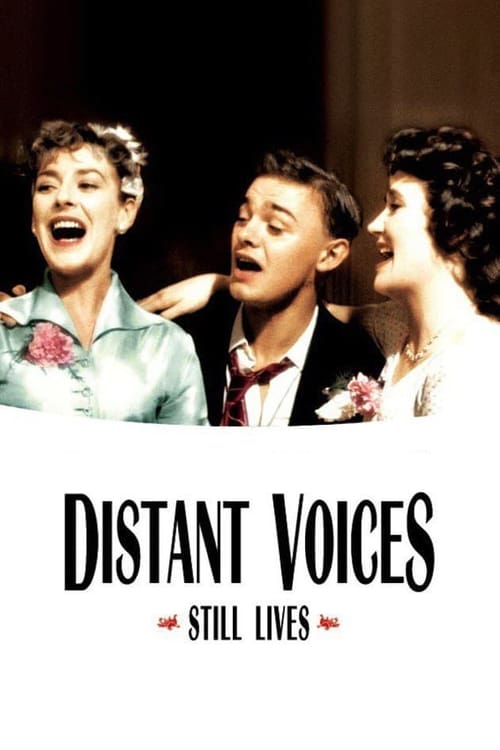
Siblings Maisie and Tony, along with their mother, gather for their sister Eileen's wedding. It is a joyous occasion, but through flashbacks, it becomes clear that the family was not always happy. Their father was physically abusive to his wife and left the children emotionally traumatized. As a result, the children have grown into unhappy adults, looking for love they didn't receive when they were young.
2011

1986

1993

1998

2016

1994

1994
1983
No reviews yet. Be the first to share your thoughts on this movie!
Use the rating form above to leave a star rating and optional review.