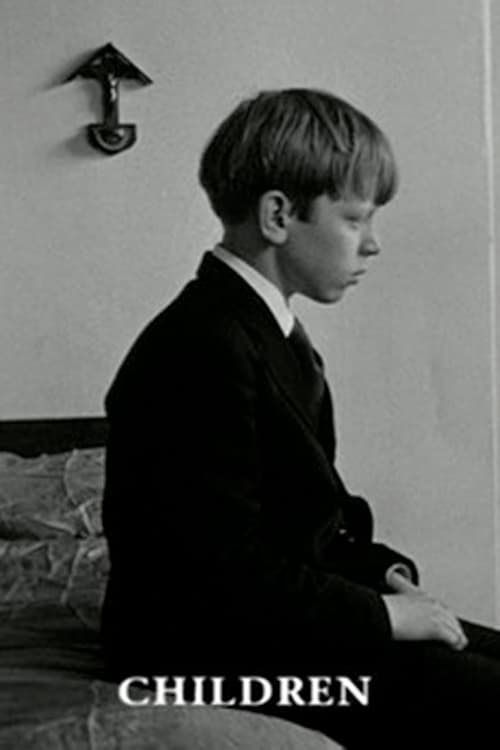
Children
1976
No user ratings available yet
Representation score: 6.1 out of 10
Representation Score
Good
1992
PGDirector
Terence Davies
Runtime
85 minutes
Average Rating
No ratings yetNew Showbiz Analysis
Terence Davies delivers a poetic, non-linear exploration of identity formation. The film's greatest strength is its sophisticated portrayal of queer identity and internal longing, capturing the sensory experience of being an outsider. While the film excels in psychological depth and its critique of religious institutions, it is limited by its historical setting. The demographic scope is narrow, reflecting a specific, homogeneous working-class community. Ultimately, the work prioritizes fragmented memory over traditionalist narratives, making it a significant study of how social norms and religious dogma shape the human psyche.
Category Breakdown
The film focuses on the protagonist's growing sense of queerness. It uses an impressionistic approach to show the internal, subjective experience of feeling like an outsider in a restrictive environment.
The narrative operates within traditional post-war social structures. It shifts focus from patriarchal authority to the internal, emotional landscapes of the individual, avoiding reinforcing archetypes.
Set in a localized working-class Catholic community, the film reflects the demographic homogeneity of its historical context. It remains largely centered on a singular Anglo-Saxon ethnic experience.
The film deconstructs the Catholic Church, showing religious dogma as both a spiritual solace and a psychological burden. It critiques the austerity of post-war British social structures.
There are no explicit depictions of physical or neurodivergent disabilities. However, the themes of profound loneliness and social alienation serve as metaphors for the psychological struggle of the outsider.
Present on Screen
Limited or Absent
Official Synopsis
Bud is a lonely and quiet boy whose moments of solace occur when he sits in rapture at the local cinema, watching towering and iconic figures on the movie screen. The movies give Bud the strength to get through another day as he deals with his oppressive school environment and his burgeoning homosexuality.
1976
1970

1980

1931

1990
2017

2012

1994
No reviews yet. Be the first to share your thoughts on this movie!
Use the rating form above to leave a star rating and optional review.