A Night at the Opera
1935
No user ratings available yet
Representation score: 1.2 out of 10
Representation Score
Limited
1930
GDirector
Victor Heerman
Runtime
98 minutes
Average Rating
No ratings yetNew Showbiz Analysis
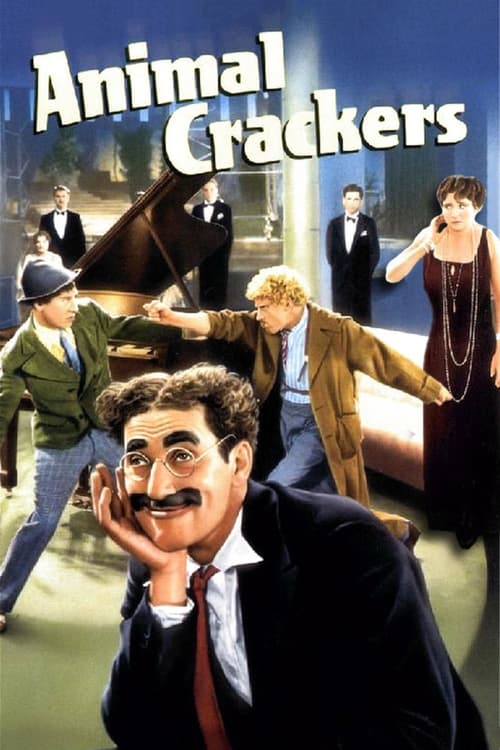
Animal Crackers is a product of its era, serving primarily as a vehicle for anarchic disruption. It uses slapstick to destabilize the rigid social hierarchies of the early 20th-century upper class. While the film lacks diverse representation regarding race, gender, and sexuality, it finds strength in its anti-elitist stance. The protagonists treat established authority and formal institutions with irreverence that challenges class-based pretension. Ultimately, the film's diversity is limited by its historical context. It prioritizes comedic anarchy over a sustained critique of systemic oppression or a diverse cast.
Category Breakdown
The film does not depict any non-straight or non-cisgender identities or stories. Relationships focus on traditional social interactions without challenging conventional norms.
Female characters like Mrs. Rittenhouse maintain decorum amidst the protagonists' antics. While male characters reject serious masculinity for comedy, the humor remains chaotic rather than subversive.
The cast is mostly white, mirroring the homogeneity of the time period. References to Africa use colonial clichés, placing the explorer within a traditional Western framework.
The film undermines Western elite institutions by treating social etiquette and capitalism with irreverence. It acts as an agent of social disorder against the established social order.
There are no specific depictions of neurodivergence or physical disabilities shown with significant influence. The eccentric character designs are genre choices rather than nuanced explorations of difference.
Present on Screen
Limited or Absent
Official Synopsis
The well-known explorer and hunter Captain Spaulding has just returned from Africa, and is being welcomed home with a lavish party at the estate of influential society matron Mrs. Rittenhouse when a valuable painting goes missing. The intrepid Captain Spaulding attempts to solve the crime with the help of his silly secretary Horatio Jamison, while sparring with the anarchic Signor Emanuel Ravelli and his nutty sidekick The Professor.
1935

1931
1937
1929

1934
1936
1935
1938
No reviews yet. Be the first to share your thoughts on this movie!
Use the rating form above to leave a star rating and optional review.