A Night in Casablanca
1946
No user ratings available yet
Representation score: 1.4 out of 10
Representation Score
Limited
1970
GDirector
Mel Brooks
Runtime
94 minutes
Average Rating
No ratings yetNew Showbiz Analysis
Mel Brooks' satire focuses on critiquing institutional authority rather than building frameworks that reflect multiple aspects of identity. The film's strength lies in its postmodern critique of state structures and bureaucracy through a lens of moral ambiguity. However, the narrative remains anchored in a traditional, male-centric, and ethnically homogeneous framework. The protagonists drive the action, leaving little room for diverse perspectives or varied gender roles. Ultimately, the film prioritizes high-concept social commentary over demographic breadth, making it a culturally rich but demographically narrow piece of cinema.
Category Breakdown
The film does not include any LGBTQ+ characters or representations of non-straight identities. It sticks closely to traditional heterosexual norms without any queer undertones.
The story centers around a male-led quest where female characters play supporting roles. This reinforces traditional hierarchies where men drive the plot.
The cast is mostly white, reflecting the Jewish comedic tradition of the time. Non-white actors are rare, but the film avoids harmful racial stereotypes.
The film provides a nuanced satire of 1920s Soviet bureaucracy using moral ambiguity and deception to criticize institutional authority and systemic issues.
The film does not focus on visible or invisible disabilities. No character arcs are defined by neurodivergence or physical impairments.
Present on Screen
Limited or Absent
Official Synopsis
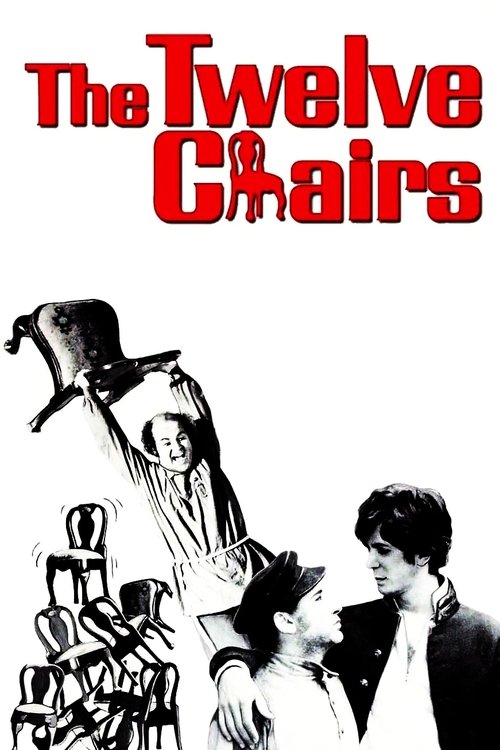
In 1920s Soviet Russia, a fallen aristocrat, a priest and a con artist search for a treasure of jewels hidden inside one of twelve dining chairs, lost during the revolution.
1946
1971

1933
1974

2004
1951

1962

1953
No reviews yet. Be the first to share your thoughts on this movie!
Use the rating form above to leave a star rating and optional review.