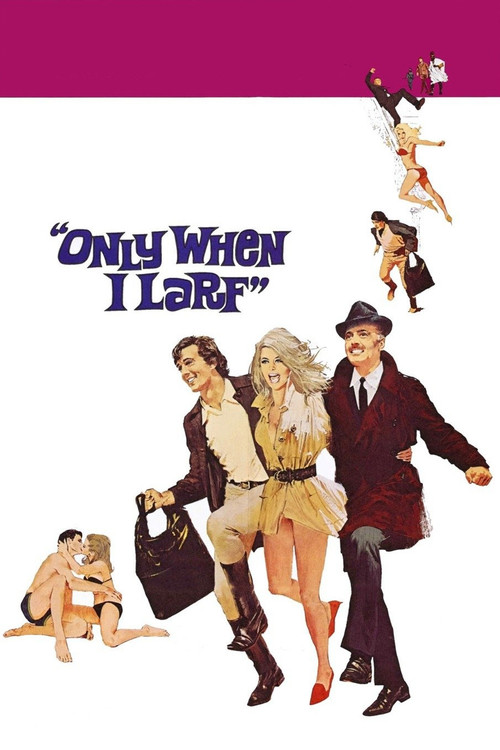
Only When I Larf
1968
No user ratings available yet
Representation score: 4.2 out of 10

Representation Score
Fair
1953
ApprovedDirector
John Huston
Runtime
95 minutes
Average Rating
No ratings yetNew Showbiz Analysis
Beat the Devil stands out from 1950s cinema by replacing the noble hero with a cynical group of con artists. This moral relativism creates a world where survival and personal gain take precedence over traditional patriotic or religious ideals. The film's strength lies in its departure from homogeneous casting. By using an international setting and a multi-ethnic cast, it disrupts the standard 'otherness' often found in mid-century adventure films. While the film offers more active roles to women compared to many of its contemporaries, it still operates within a male-driven framework. The lack of LGBTQ+ representation and disability-focused narratives reflects the era's structural limitations.
Category Breakdown
The film does not include any explicit LGBTQ+ characters or non-cisgender identities. The story centers around power struggles and the search for a uranium mine.
Female characters show professional competence and play significant roles in the story, avoiding purely submissive roles. However, the main drive for wealth and survival remains male-dominated.
The film features a multi-ethnic cast and diverse settings, challenging the era's typical Anglo-centric norms. Non-white characters have substantial influence on the plot's progression.
The story questions traditional Western institutions by emphasizing situational ethics over rigid moral absolutes. It portrays a skeptical view of established authority and the law.
The film does not prominently feature any characters with physical or neurodivergent disabilities that serve as central narrative drivers or character traits.
Present on Screen
Limited or Absent
Official Synopsis
A group of con artists stake their claim on a bogus uranium mine.
1968

1964
1970

1966
1956
1967

1963
1965
No reviews yet. Be the first to share your thoughts on this movie!
Use the rating form above to leave a star rating and optional review.