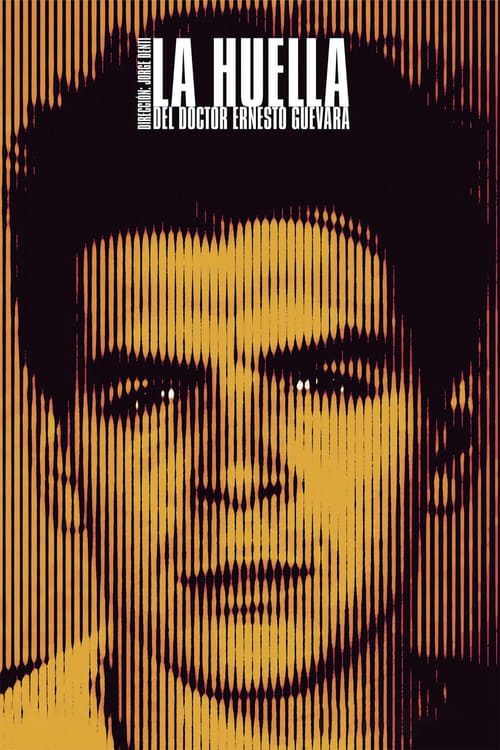
The Traces of Dr. Ernesto Guevara
2013
No user ratings available yet
Representation score: 6.4 out of 10
Representation Score
Fair
2004
Director
Gianni Minà
Runtime
121 minutes
Average Rating
No ratings yetNew Showbiz Analysis
Traveling with Che Guevara is a documentary that prioritizes a post-colonial perspective over traditional identity politics. It successfully disrupts Western-centric historical narratives and centers the ability to act of South American populations and revolutionary movements. However, the film's focus on mid-20th-century geopolitical struggles leads to limited representation of gender and LGBTQ+ identities. The narrative structure remains centered on male-dominated political spheres and historical frameworks that do not challenge gender hierarchies. Ultimately, the film's strength lies in its cultural and racial depth, while it lacks diversity in individual and non-straight narratives.
Category Breakdown
The film focuses on political figures and revolutionary movements but does not center characters with non-straight identities.
The story is mainly about male-dominated political spheres and guerrilla warfare. Male revolutionaries take the lead in driving the narrative.
The documentary highlights Latin American identities and challenges Anglo-centric views. It gives significant roles to non-Western figures from the Global South.
The film critiques Western imperialism and capitalism, focusing on the perspectives of those fighting against systemic oppression.
The film does not focus on disability or neurodivergence. It emphasizes political and socioeconomic issues over individual health stories.
Present on Screen
Limited or Absent
Official Synopsis
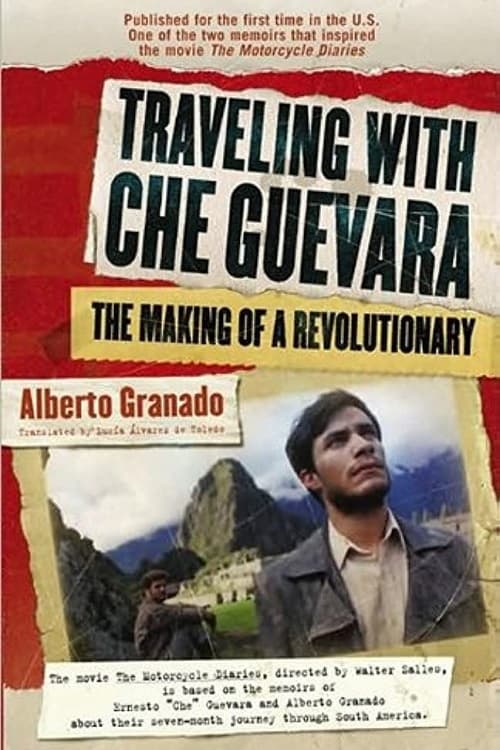
In 1952, Ernesto Guevara, then a medical student aged 23, and his friend Alberto Granado, a biologist of 29, began a long journey through the South American continent. During their tour, which began with an old motorcycle to continue after hitchhiking, they witnessed the harsh living conditions of the population of the countries they travelled. Guevara, soon to be known as Che, recorded his impressions in a diary. In 2002, the Brazilian director Walter Salles began shooting a film about that odyssey, "The Motorcycle Diaries". This documentary follows the making of that movie in detail, incorporating interviews with various participants.
2013
1961
2009
2017
2008
1929
1994
2015
No reviews yet. Be the first to share your thoughts on this movie!
Use the rating form above to leave a star rating and optional review.