
El Che
2017
No user ratings available yet
Representation score: 5.4 out of 10
Representation Score
Limited
1994
Director
Richard Dindo
Runtime
90 minutes
Average Rating
No ratings yetNew Showbiz Analysis
Richard Dindo’s documentary offers a powerful critique of imperialist power dynamics. Using Guevara’s personal journals and archival footage of the Bolivian peasantry, the film effectively challenges Western-centric historical narratives and emphasizes the ability to act of the Global South. However, the film is limited by its historical focus. Its narrative structure is heavily male-centric, reflecting the gender dynamics of 1960s guerrilla movements, and lacks any representation of LGBTQ+ identities. Ultimately, the work serves as a specialized piece of progressive historical revisionism. It prioritizes cultural specificity over broad demographic representation.
Category Breakdown
The documentary focuses on mid-century guerrilla movements and does not include any LGBTQ+ characters or stories about non-straight identities.
The film highlights the male-dominated nature of 1960s revolutionary movements. While not overtly sexist, it lacks strong roles for women, focusing instead on male leaders like Guevara.
The film excels by emphasizing Latin American identities and the experiences of the Bolivian peasantry. It challenges Anglo-centric views by prioritizing voices from the Global South.
The narrative offers a deep critique of Western capitalist systems and imperialism. It portrays the insurgency as a response to colonial exploitation and capitalist oppression.
The documentary does not focus on visible or invisible disabilities. There are no characters portrayed through the lens of disability.
Present on Screen
Limited or Absent
Official Synopsis
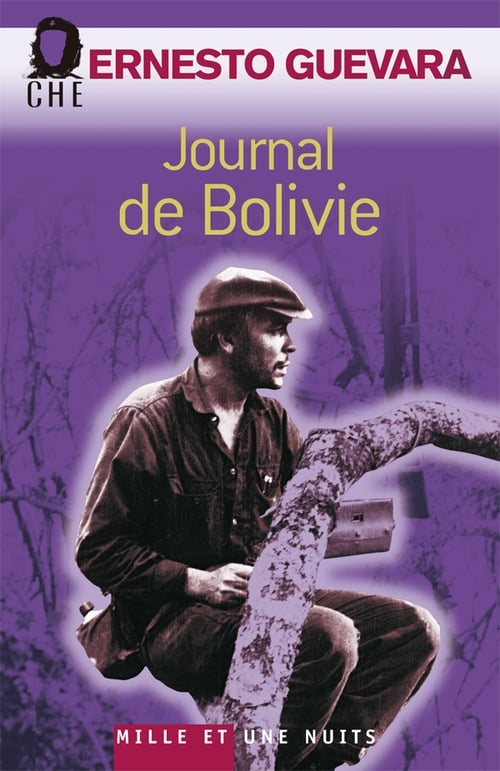
A documentary about Che Guevara in Bolivia, based upon his journal listing daily agendas
2017

2012

1961
2017
2001

2008

1975
2004
No reviews yet. Be the first to share your thoughts on this movie!
Use the rating form above to leave a star rating and optional review.