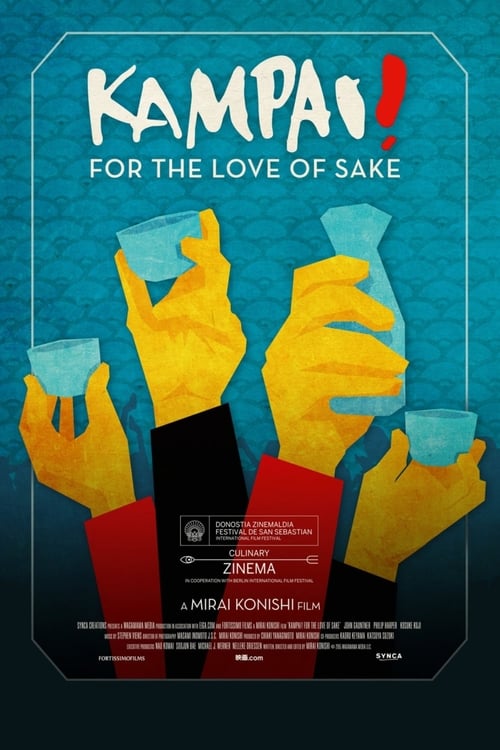
Kampai! For the Love of Sake
2015
No user ratings available yet
Diversity score: 5.8 out of 10
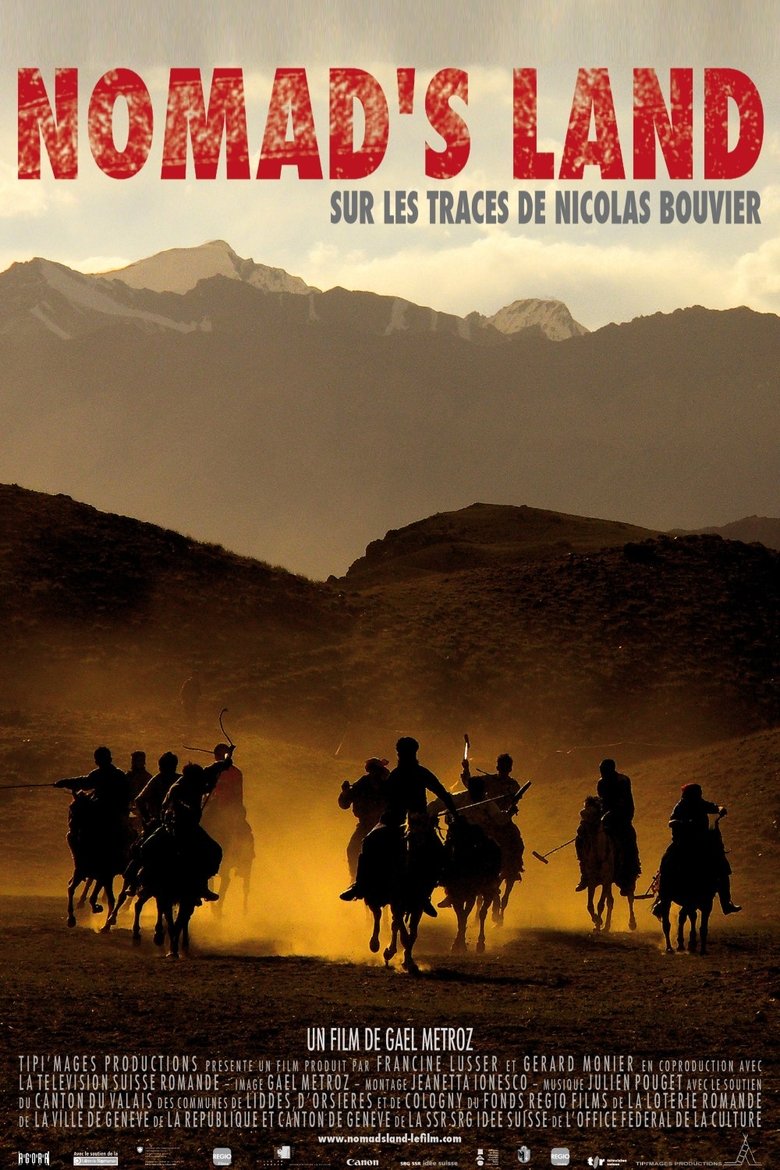
2008
Director
Gaël Métroz
Runtime
90 minutes
Average Rating
No ratings yetSynopsis
The young director, Gael Metroz, takes the road alone, camera in hand, in the footsteps of Nicolas Bouvier. He discovers that the East is no longer the almost carefree land of the Fifties recounted in l'Usage du Monde: Iran in crises, Pakistan shaken by tribal violence's, Taliban, civil war in Sri Lanka. This world, Bouvier had the usage, seem to have disappeared under the veil of time. Disappointed the director leaves the main road traced by the famous Topolino and continues on the small path with the nomads. In creating his own route, Gael Metroz reveals the writer's philosophy of travel.
Overall Score
Good
Category Breakdown
LGBTQ+ Representation
The film lacks explicit narratives regarding non-cisnormative identities or same-sex intimacy. The focus remains on landscapes and philosophical echoes rather than identity-specific character arcs.
Gender Representation
The narrative is primarily driven by the male perspective of the director and Nicolas Bouvier. It remains within the conventional bounds of the solitary male traveler trope.
Racial & Ethnic Diversity
The film centers its lens on populations in Iran, Pakistan, and Sri Lanka. By following nomadic paths, it disrupts the Eurocentric gaze common in traditional travelogues.
Religious & Cultural Diversity
The film critiques romanticized Western perceptions of the East. It highlights the disappearance of old ways of life and the systemic instability of modern geopolitical landscapes.
Disability Representation
There is no discernible focus on physical or neurodivergent representation. The film's preoccupation with landscape and philosophy precludes specific commentary in this category.
Strengths
Areas for Improvement
AI Analysis
Nomad's Land succeeds as a contemplative documentary that deconstructs the traditional 'explorer' trope. By moving away from main roads to follow nomadic paths, the film avoids a sanitized, Western-centric view of the East. However, the work remains limited by its narrow focus on a male-driven philosophical journey. It does not explicitly engage with identity politics, such as LGBTQ+ or specific gender-based narratives, leaving those dimensions unexplored. Ultimately, the film's value lies in its cultural nuance. It replaces the idea of 'discovery' with a complex observation of how modernity and conflict have reshaped the regions once romanticized by Bouvier.
2015
1984
2020
2001

2000
1969
1990

2015

2018
2008
2005
2019
No reviews yet. Be the first to share your thoughts on this movie!
Use the rating form above to leave a star rating and optional review.