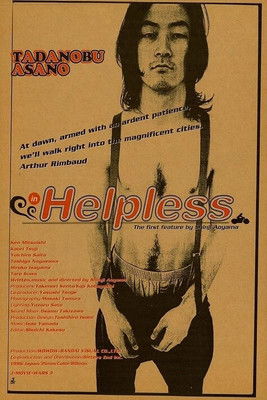
Helpless
1996
No user ratings available yet
Representation score: 5.9 out of 10
Representation Score
Good
1999
Director
Yoshimitsu Morita
Runtime
133 minutes
Average Rating
No ratings yetNew Showbiz Analysis
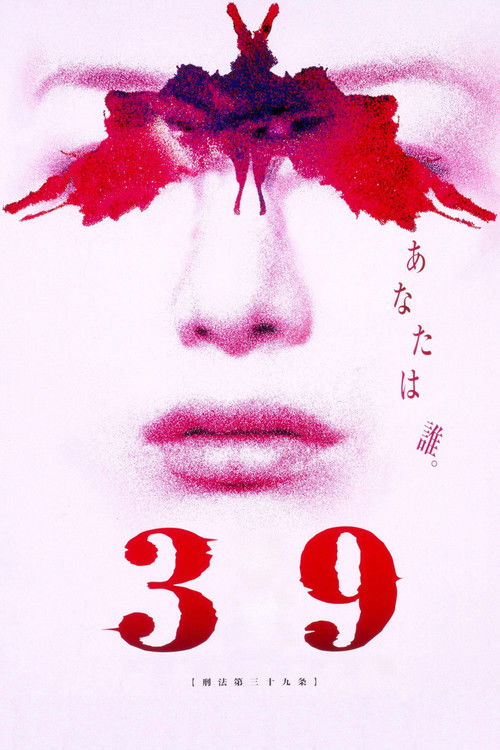
Keiho is a cerebral crime drama that prioritizes systemic critique over identity politics. Its strength lies in its intellectual engagement with mental health and the legal frameworks of Japan, moving beyond simple morality to explore the friction between individuals and institutions. While the film excels at deconstructing social structures and exploring systemic issues, it remains narrow in its demographic scope. The narrative is heavily centered on male-driven legal and psychiatric conflicts, offering little visibility for LGBTQ+ or diverse gender perspectives. Ultimately, the film is a culturally specific study of Japanese law. It succeeds as a social commentary on how the state manages perceived mental impairment, even if it lacks broader multi-ethnic or identity-based representation.
Category Breakdown
The film does not include explicit LGBTQ+ characters or explore non-straight relationships. The story focuses more on legal and psychiatric issues rather than identity-related themes.
The story centers around a male protagonist and the institutional systems evaluating him. There is no specific detail about female characters or challenging gender hierarchies.
As a Japanese production, the film focuses on domestic social structures and cultural specifics. It prioritizes the complexities of Japanese societal norms over multi-ethnic integration.
The film offers a sophisticated critique of systemic authority by framing crime as a statement against the Japanese Penal Code. It challenges conventional morality and state institutions.
The narrative uses mental health and diminished responsibility to explore legal ability to act. It examines how society categorizes neurodivergence through a nuanced, systemic lens.
Present on Screen
Limited or Absent
Official Synopsis
The psychiatric evaluation of a young actor arrested for a brutal double murder concludes he may be unfit for trial. Further investigation, however, reveals the crime was a well-planned statement against the section of Japan's criminal code granting diminished responsibility to the mentally impaired.
1996

1995
2000
1997

2011

1989

2016
1971
No reviews yet. Be the first to share your thoughts on this movie!
Use the rating form above to leave a star rating and optional review.