
Joe Cinque's Consolation
2016
No user ratings available yet
Representation score: 3.0 out of 10

Representation Score
Excellent
2014
Director
Xu Ang
Runtime
108 minutes
Average Rating
No ratings yetNew Showbiz Analysis
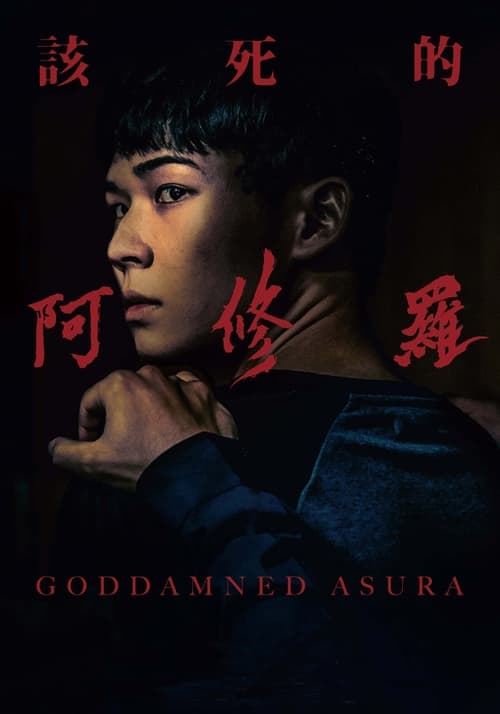
Xu Ang’s film serves as a cinematic exploration of collective judgment and the fragility of truth. By using a virtual court setting, the narrative breaks down how identity and socioeconomic factors shape perceptions of justice. The film adeptly portrays a diverse social landscape within the Chinese context. It goes beyond simple stereotypes to examine how personal prejudices and institutional power intersect in contemporary society. While the film offers a nuanced critique of social stratification, it remains neutral on specific identity issues such as LGBTQ+ representation or disability, focusing instead on broader systemic biases.
Category Breakdown
The film focuses more on class and social status than on sexual orientation. There is no clear indication of characters with non-traditional gender identities or sexual orientations playing central roles.
Women play significant roles in the deliberations, showing strong intellectual engagement. The film challenges traditional male-dominated decision-making processes while staying true to a realistic social setting.
The film showcases a varied mix of people from different backgrounds, highlighting the impact of social stratification on perceptions of criminality. It effectively uses these diverse perspectives to critique societal biases.
The film critically examines institutional authority and traditional social structures. It presents justice as a subjective concept influenced by individual experiences, rather than a fixed moral standard.
There is no explicit mention of characters with visible or invisible disabilities. The focus is on the psychological and social dynamics of the jury members.
Present on Screen
Limited or Absent
Official Synopsis
When the film broke out that a young man coming from a rich adopted family murdered his birth father, the controversy around the case hit a nerve with the public at large. An experiment was held through the form of virtual court inside a college to discuss this hot topic. During the process of virtual court, 12 Chinese people from different walks of life got together and discussed the case like a jury. Through intricate and thought provoking questions from the main character, people start to think more critically about the case. During this process, one sees the revelation of people's bias and emotional-preconceptions about the suspect, about each other, and also about the society.
2016

2020

1999

2016
2022

1998

2017
2012
No reviews yet. Be the first to share your thoughts on this movie!
Use the rating form above to leave a star rating and optional review.