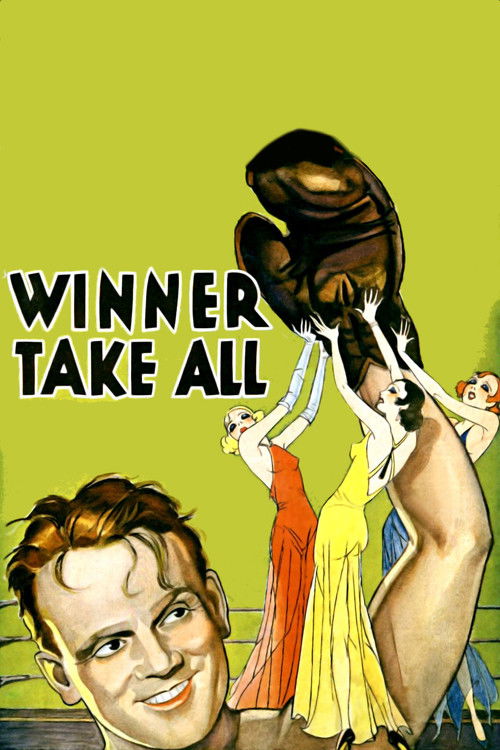
Winner Take All
1932
No user ratings available yet
Representation score: 2.0 out of 10
Representation Score
Minimal
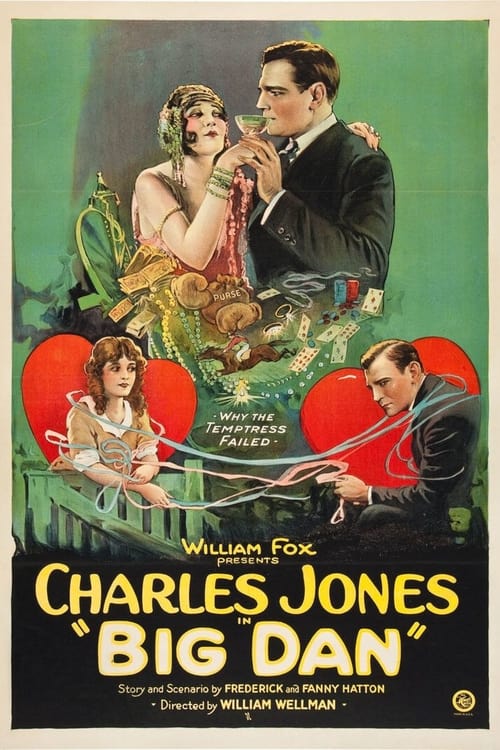
1923
PassedDirector
William A. Wellman
Runtime
60 minutes
Average Rating
No ratings yetNew Showbiz Analysis
Big Dan is a quintessential product of its era, relying heavily on the traditional clichés of the 1920s Western. The narrative revolves around a masculine hero whose identity is tied to physical strength and the protection of women. Socially, the film reinforces existing hierarchies rather than challenging them. It centers on patriarchal leadership and the sanctity of marriage, following a predictable melodramatic path toward domestic stability. Due to its lack of multi-layered complexity or diverse character archetypes, the film remains a standard period piece that upholds the status quo of its time.
Category Breakdown
The film follows a strictly heterosexual storyline and does not include any characters with LGBTQ+ identities.
Dan O'Hara is portrayed as a strong, masculine figure defined by his physical strength and protective role. Dora Allen, while central, primarily functions as a recipient of protection and support.
The film operates within the homogeneous social frameworks typical of early Westerns, lacking diverse representation or non-Anglo-Saxon characters.
The story emphasizes traditional social structures and patriarchal leadership, focusing on the restoration of the family unit and conventional moral progression.
The film does not feature any characters with visible or invisible disabilities.
Present on Screen
Limited or Absent
Official Synopsis
Dan O'Hara, known as "Big Dan," returns from the war, and finding that his wife has left him, turns his home into a boys' camp and begins to train boxers. He meets Dora Allen, rescues her from an unwanted suitor, and gives her shelter in the camp. For a time, their relationship, which has become serious, is complicated by the intrusion of another suitor and by a woman who informs Dora that O'Hara is already married. The wife dies, however, and O'Hara wins Dora.
1932
1930

1931
1928
1926
1920
1932
1929
No reviews yet. Be the first to share your thoughts on this movie!
Use the rating form above to leave a star rating and optional review.