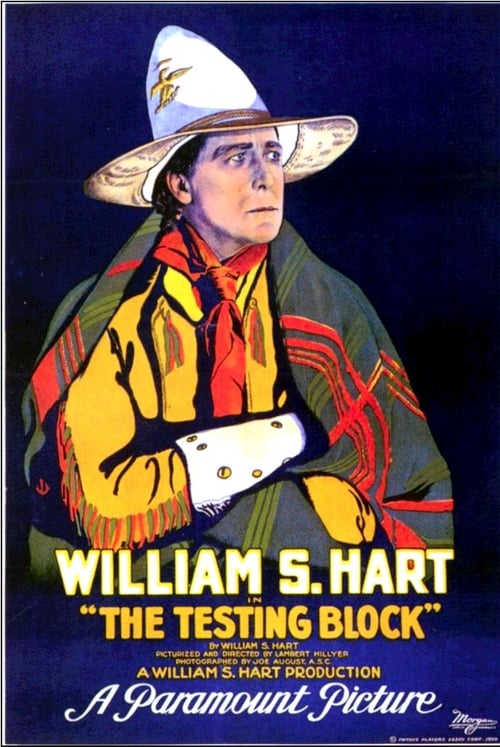
The Testing Block
1920
No user ratings available yet
Diversity score: 2.6 out of 10
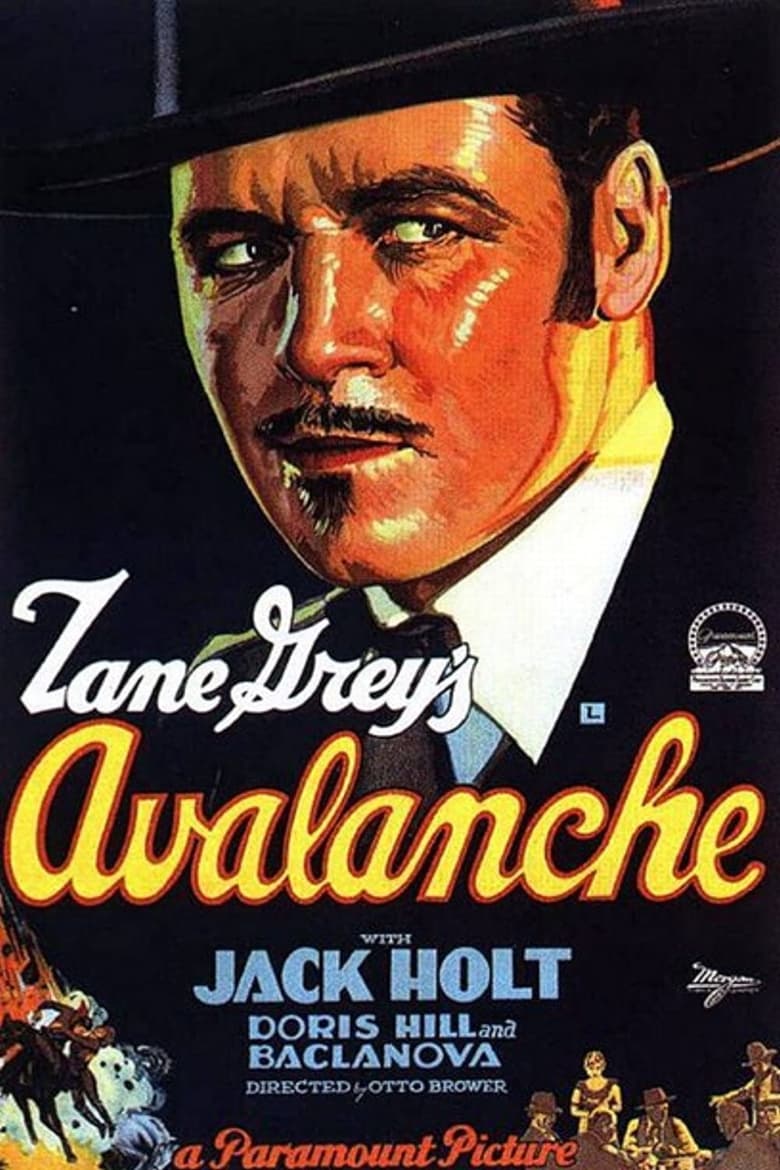
1928
PassedDirector
Otto Brower
Runtime
60 minutes
Average Rating
No ratings yetSynopsis
An otherwise honest gambler, played by Jack Holt, begins to cheat at cards in order to put his son John Darrow through mining school in this lavish Zane Grey adaptation produced by Paramount. The callow foster-son pays back the noble gesture by running off with Holt's mistress, Olga Baclanova.
Overall Score
Limited
Category Breakdown
LGBTQ+ Representation
The film lacks any evidence of non-cisnormative identities or same-sex intimacy. It operates within the heteronormative constraints typical of 1920s Western cinema.
Gender Representation
Characters follow traditional archetypes, with the male protagonist acting as the primary decision-maker. Women are framed through the mistress trope, serving as objects of desire or catalysts for conflict.
Racial & Ethnic Diversity
The narrative focuses on a white protagonist and central interpersonal conflicts. It reflects the homogeneous casting norms common in early 20th-century American Westerns.
Religious & Cultural Diversity
Themes of morality and familial obligation are explored through a traditional lens. The story emphasizes personal sacrifice and paternal responsibility rather than critiquing social structures.
Disability Representation
There is no mention of characters with visible or invisible disabilities within the narrative.
Strengths
Areas for Improvement
AI Analysis
Avalanche is a conventional silent-era Western that relies heavily on established genre tropes. The story centers on a traditional male-driven plot involving gambling, paternal sacrifice, and romantic betrayal. The film lacks intentionality in disrupting social hierarchies. Instead, it reinforces the standard cultural and social frameworks of 1928 Hollywood through its character archetypes and narrative structure. Representation is limited to heteronormative dynamics and homogeneous casting, offering little in the way of intersectional depth or diverse perspectives.
1920
1926
1922

1927
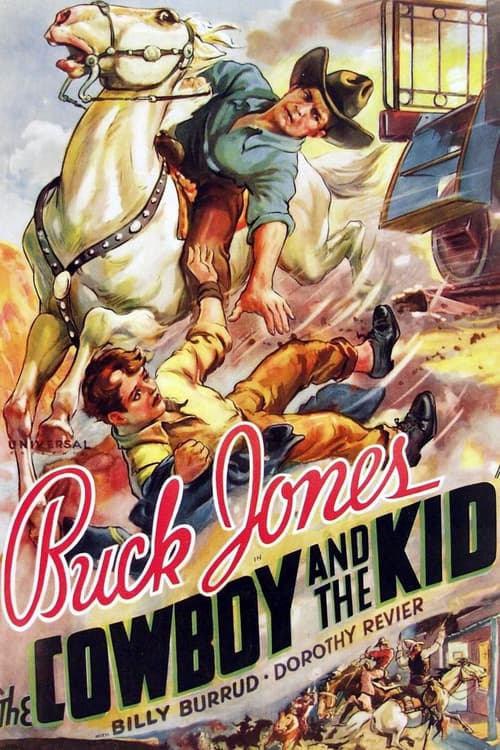
1936
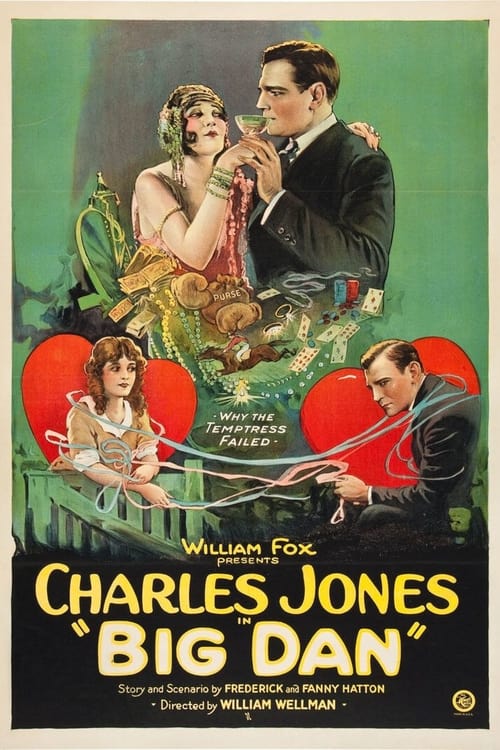
1923
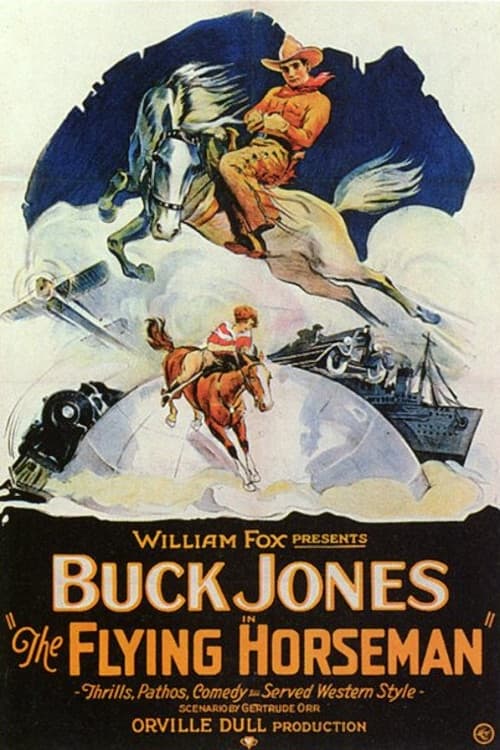
1926
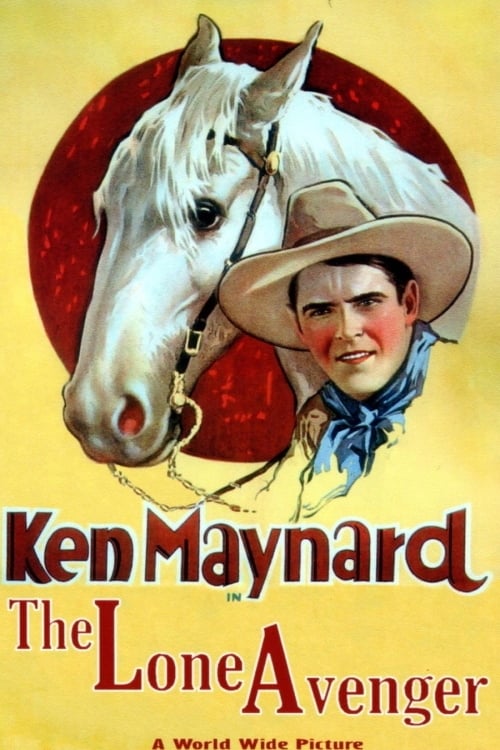
1933
1930
1929
1924
1937
No reviews yet. Be the first to share your thoughts on this movie!
Use the rating form above to leave a star rating and optional review.