
Lone Wolf and Cub: Baby Cart to Hades
1972
No user ratings available yet
Representation score: 3.6 out of 10

Representation Score
Fair
1972
Not RatedDirector
Buichi Saitō
Runtime
81 minutes
Average Rating
No ratings yetNew Showbiz Analysis
The film is a period piece that prioritizes thematic rebellion over demographic variety. While it lacks representation for LGBTQ+ identities, gender diversity, or disability, it excels in its cultural critique of systemic oppression. Its strength lies in deconstructing the Shogunate's authority, framing the protagonist's outlaw status as a necessary response to a broken system. This provides a sophisticated look at individual power against institutionalized forces. However, the film remains anchored in traditional masculine archetypes and a homogeneous social structure, limiting its breadth in modern diversity metrics.
Category Breakdown
The film does not include any LGBTQ+ characters or explore non-straight relationships. The story centers around the bond between father and son.
Gender roles remain traditional, with the narrative driven by masculine archetypes such as the rōnin. Although a female assassin appears, her role is secondary to the main conflict.
The cast is ethnically uniform, reflecting the feudal Japanese setting. However, the socio-economic status of the rōnin class highlights the underrepresented position of outsiders.
The film critiques institutional authority by depicting the Shogunate as corrupt. It replaces traditional morality with a framework focused on survival and rebellion.
There is no meaningful representation of physical or neurodivergent disabilities. Characters are defined primarily by their combat skills and physical abilities.
Present on Screen
Limited or Absent
Official Synopsis
Ogami Itto is hired to kill a tattooed female assassin and battles Retsudo, head of the Yagyu clan, and his son Gunbei.
1972
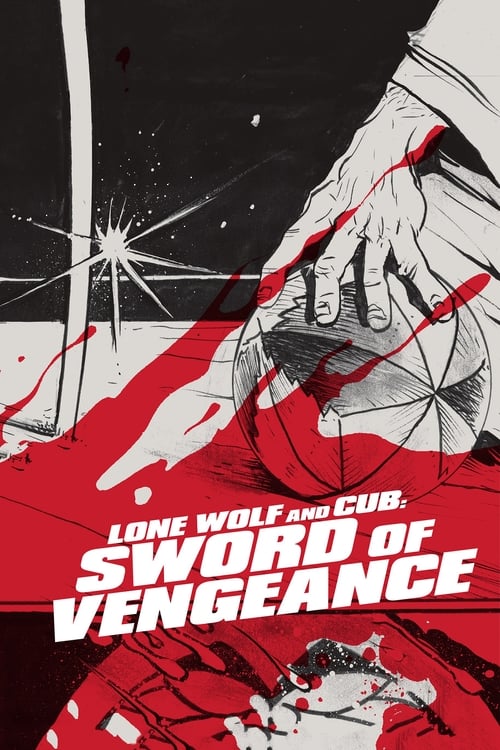
1972
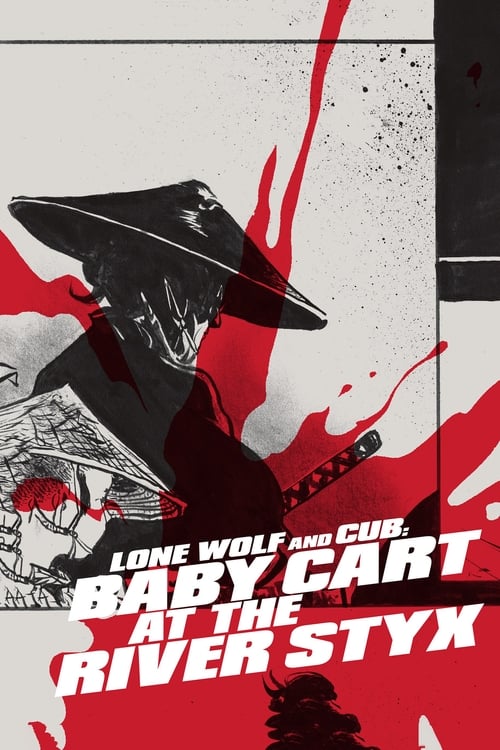
1972
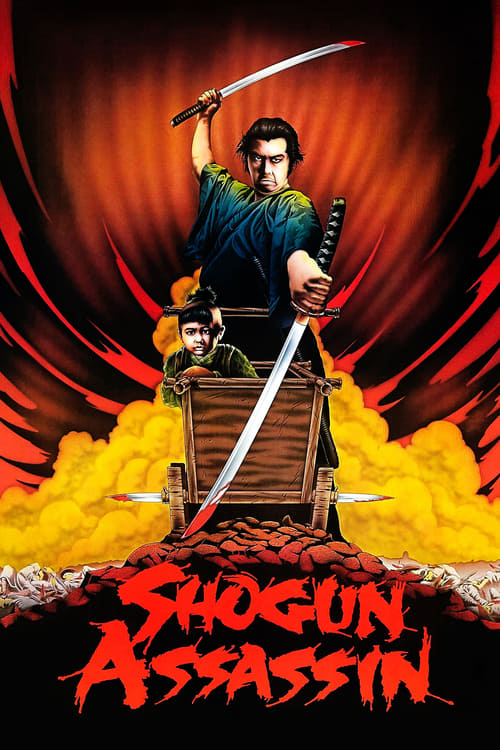
1980
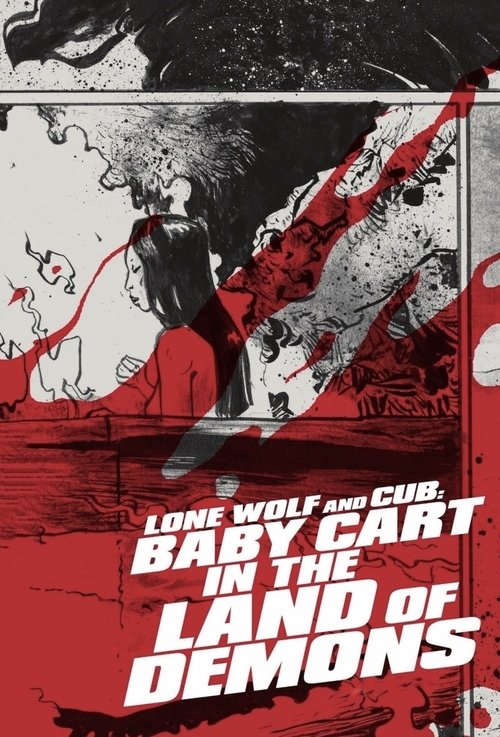
1973

1974
1993
1972
No reviews yet. Be the first to share your thoughts on this movie!
Use the rating form above to leave a star rating and optional review.