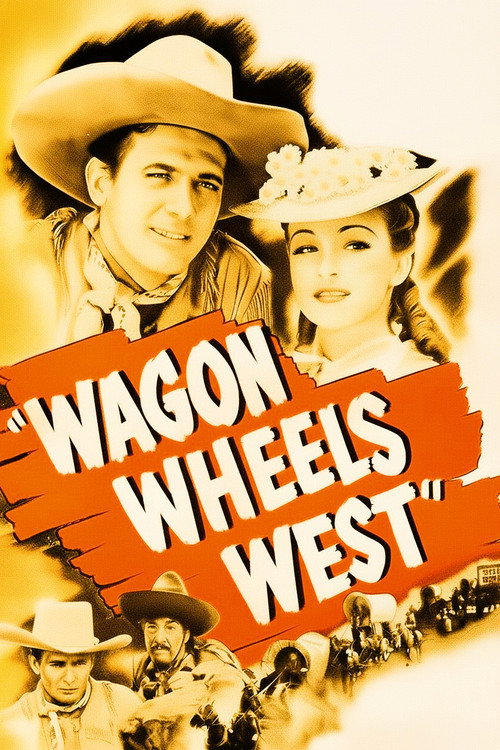
Wagon Wheels West
1943
No user ratings available yet
Representation score: 0.4 out of 10
Representation Score
Minimal
1943
ApprovedDirector
B. Reeves Eason
Runtime
20 minutes
Average Rating
No ratings yetNew Showbiz Analysis
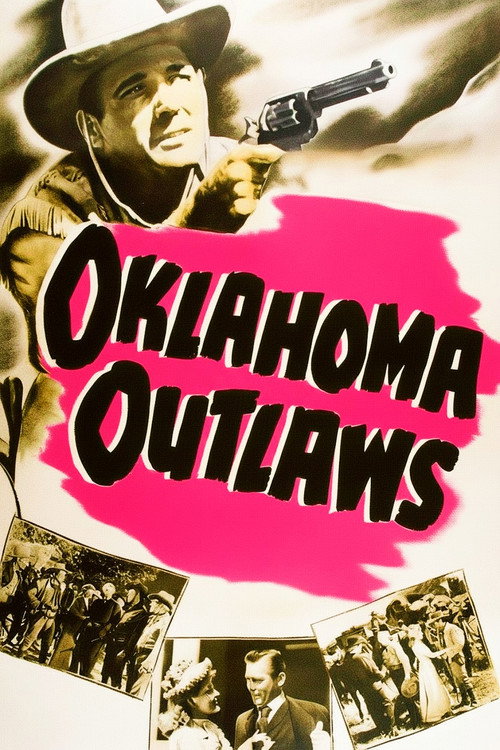
Oklahoma Outlaws is a classic mid-century Western that reinforces established social and cultural hierarchies. The film prioritizes traditional frontier narratives and masculine ability to act over exploring diverse identities. The production does not aim to challenge conventional expectations about gender, race, or identity. Instead, it exemplifies the genre's focus on masculine authority and institutional power as seen in 1940s cinema.
Category Breakdown
The film follows the social norms of 1943 and does not include any representation of non-binary gender identities or same-sex relationships.
The story emphasizes patriarchal structures and masculine leadership. Jack Holt holds a central position of authority, reinforcing traditional views of male competence.
The main characters are Anglo-Saxon and typical of the era. There are no characters of color who play significant roles in the story.
The film upholds traditional Western values and the legitimacy of frontier institutions. It focuses on moral binaries and the preservation of social order.
There are no characters with visible or invisible disabilities, and disability is not used as a theme or for character development.
Present on Screen
Limited or Absent
Official Synopsis
In this short western, a gang of outlaws plots to gain control of the town of Tulsa, Oklahoma.
1943
1939
1946
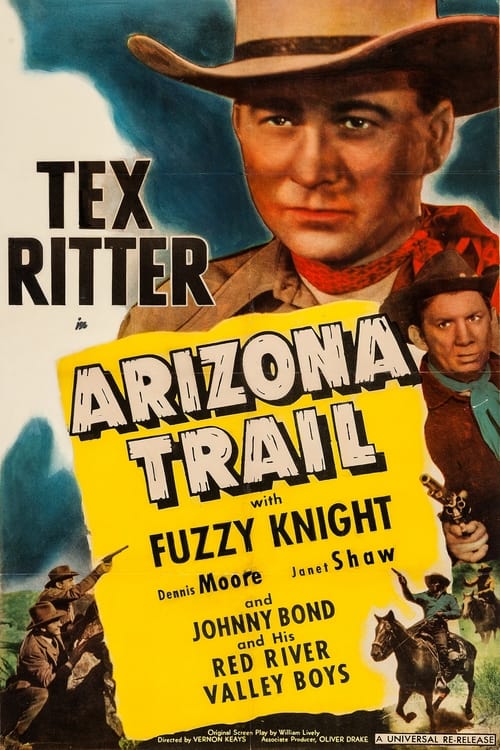
1943
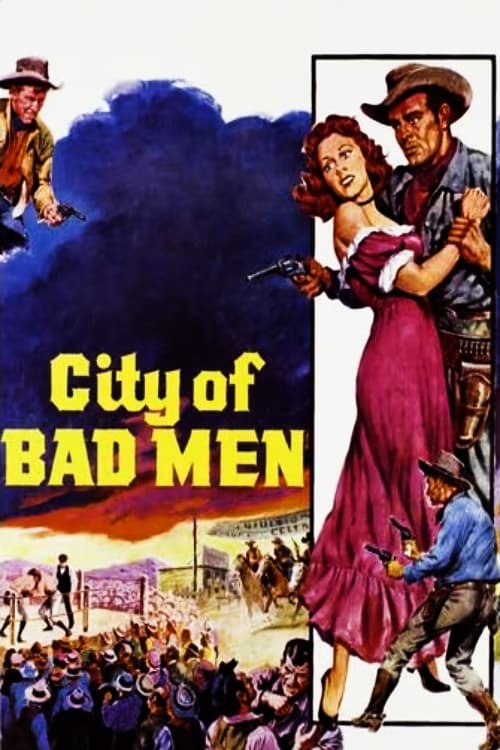
1953
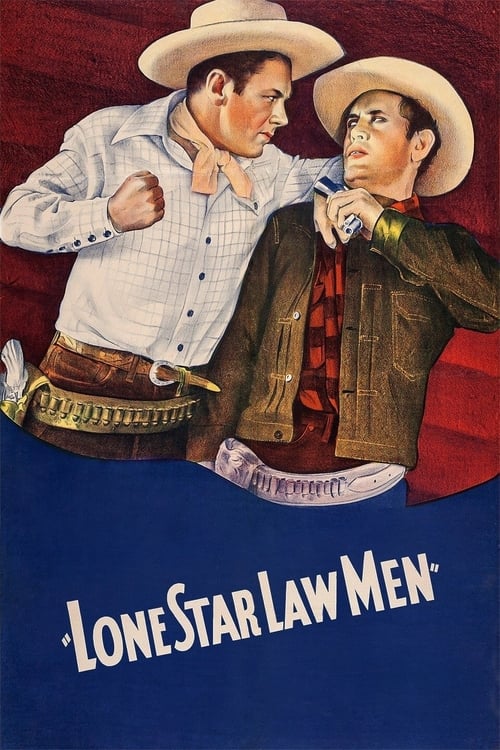
1941
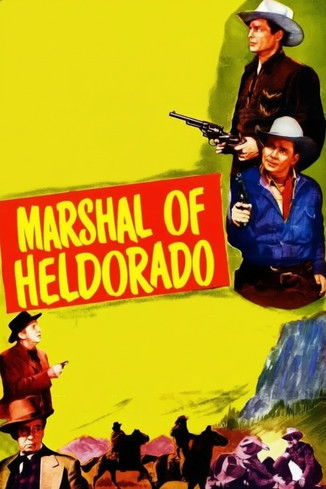
1950
1944
No reviews yet. Be the first to share your thoughts on this movie!
Use the rating form above to leave a star rating and optional review.