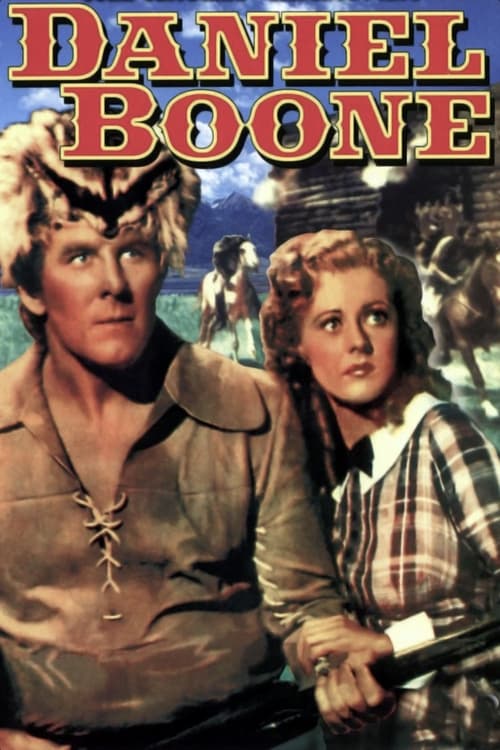
Daniel Boone
1936
No user ratings available yet
Representation score: 0.3 out of 10
Representation Score
Minimal
1940
PassedDirector
Sam Nelson
Runtime
58 minutes
Average Rating
No ratings yetNew Showbiz Analysis
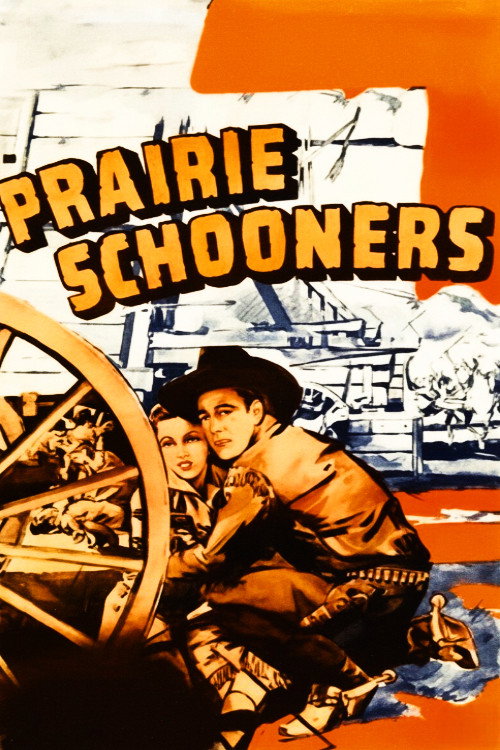
Prairie Schooners is a typical 1940s Western that upholds the social hierarchies of its era. The plot centers on the traditional narrative of expansion, focusing on a male protagonist leading settlers into new territory. The film relies on established genre clichés, particularly those involving the conflict between settlers and Native Americans. This framing prioritizes the settler experience and the concept of frontier justice over nuanced or multi-layered perspectives. Ultimately, the work functions as a standard product of its time, offering little disruption to the period's prevailing gender roles or colonial-era storytelling patterns.
Category Breakdown
The film adheres to the traditional social structures of 1940s cinema and does not include any LGBTQ+ characters or narratives.
Leadership is focused on the male figure of Wild Bill Hickok. ability to act remains centered on male characters, even though there is a communal wagon train setting.
The story follows the classic cliché of conflict between settlers and Indigenous populations. It adheres to conventional colonial-era patterns regarding territorial expansion.
The narrative aligns with historical themes of Westward expansion and settler-colonial structures. It lacks any critique of these traditional institutional frameworks.
There are no characters with physical or neurodivergent disabilities. The film does not address disability representation.
Present on Screen
Limited or Absent
Official Synopsis
Wild Bill Hickok (Bill Elliott) leads a wagon train of settlers from Kansas to Colorado. Along the way, they cross a group of Indians who don't want any more settlers on their land.
1936
1939
1939
1963
1952
1930
1955
1952
No reviews yet. Be the first to share your thoughts on this movie!
Use the rating form above to leave a star rating and optional review.