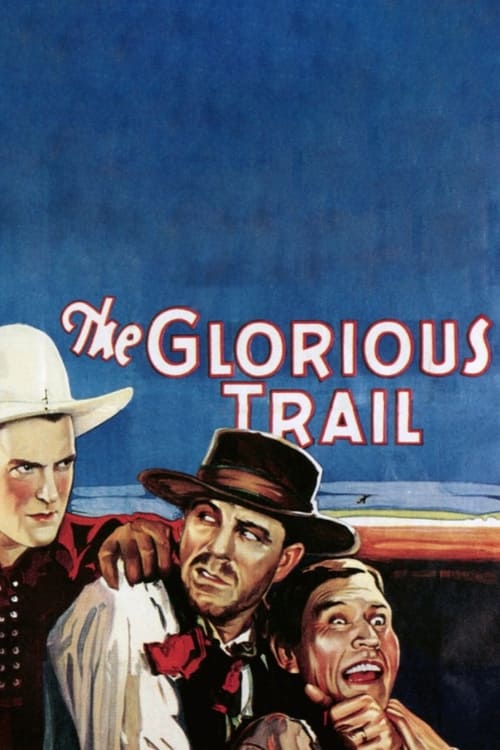
The Glorious Trail
1928
No user ratings available yet
Representation score: 1.3 out of 10
Representation Score
Limited
1928
PassedDirector
William Wyler
Runtime
50 minutes
Average Rating
No ratings yetNew Showbiz Analysis
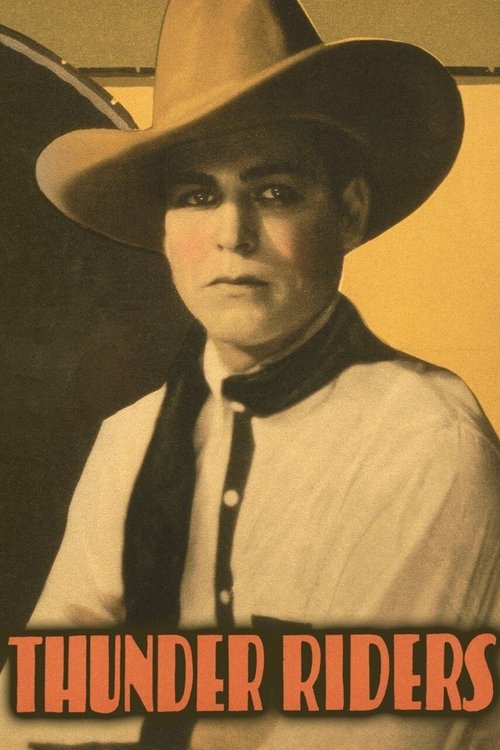
Thunder Riders is a product of its time, closely following the established clichés of the 1920s Western genre. While it avoids being entirely one-dimensional by focusing on a female protagonist with economic interests, the film remains tied to traditional frontier archetypes. The narrative's reliance on conflicts with Indigenous groups and the protection of family estates suggests a reinforcement of Western expansionist values. It lacks the complexity and social critique needed to move beyond typical storytelling of the era. Ultimately, the film functions as a standard genre piece that prioritizes territorial stability and traditional inheritance over diverse or subversive perspectives.
Category Breakdown
The film does not include any characters with non-straight or non-cisgender identities. The story follows a traditional Western structure without challenging straight-centered assumptions.
Betty plays a significant role in the story by traveling to claim her father's ranch. However, it is unclear if she truly challenges gender hierarchies or is limited by the violent setting.
The inclusion of an 'Indian attack' scene suggests a reliance on stereotypical Indigenous clichés. This portrayal emphasizes conflict over complex, actively leading characterizations.
The plot centers on Western myths about property rights and inheritance. It lacks any deconstruction of Western institutions or expansionist values.
There is no information regarding the depiction of physical or neurodivergent characters in this production.
Present on Screen
Limited or Absent
Official Synopsis
As Betty arrives from the East Coast to take over the ranch and fortune left by her late father, the trip is interrupted by an Indian attack.
1928
1939
1924
1930
1929

1952
1935
1931
No reviews yet. Be the first to share your thoughts on this movie!
Use the rating form above to leave a star rating and optional review.