
The Shark Who Knew Too Much
1989
No user ratings available yet
Diversity score: 3.2 out of 10
1967
BtlDirector
Kåge Gimtell
Runtime
91 minutes
Average Rating
No ratings yetSynopsis
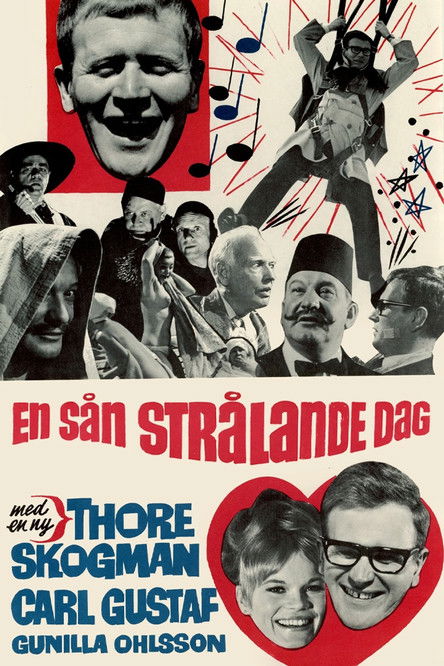
A comedy about the young notary Thore, who mistakenly opens a private letter to his boss, lawyer Larsson. The letter says that a certain Eva Larsson will inherit a piece of land in Guatemala, containing large oil deposits. A baby photo of Eva has been included for identification, and when Thore is fired for his mistake he happens to bring the photo with him.
Overall Score
Limited
Category Breakdown
LGBTQ+ Representation
The film lacks LGBTQ+ characters or narratives that challenge heteronormativity. The plot follows a conventional framework centered on a male notary and a female heir.
Gender Representation
Gender roles follow traditional mid-century tropes. While Eva Larsson drives the plot, she acts as a catalyst for the male protagonist rather than a character with central agency.
Racial & Ethnic Diversity
Guatemala is mentioned as a geographic location, but it is unclear if the film explores ethnic diversity. The focus remains on Swedish characters and resource-based conflict.
Religious & Cultural Diversity
The story aligns with mid-century Western capitalist structures, focusing on legal errors and inheritance. It utilizes institutional friction as a comedic engine rather than deconstructing social norms.
Disability Representation
There is no mention of characters with visible or invisible disabilities. The narrative does not address neurodivergence or mental health conditions.
Strengths
Areas for Improvement
AI Analysis
En sån strålande dag is a conventional mid-century comedy that relies on established social and professional norms. The narrative focuses on individual errors and material inheritance, such as the discovery of oil deposits in Guatemala. The film lacks the structural complexity needed to challenge traditional hierarchies. It functions primarily as a lighthearted musical comedy rather than a vehicle for intersectional or systemic exploration. Ultimately, the work operates within the standard tropes of its era, prioritizing comedic plot points over diverse or identity-driven storytelling.
1989
1966
1969

1970

1947
1957

1970

1955
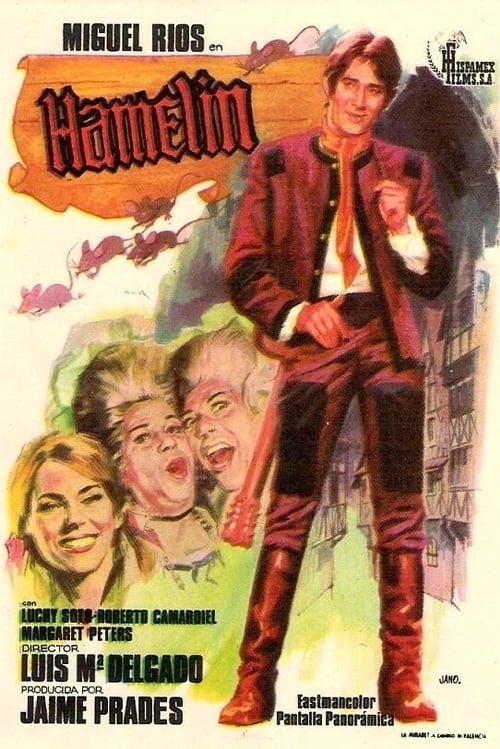
1969
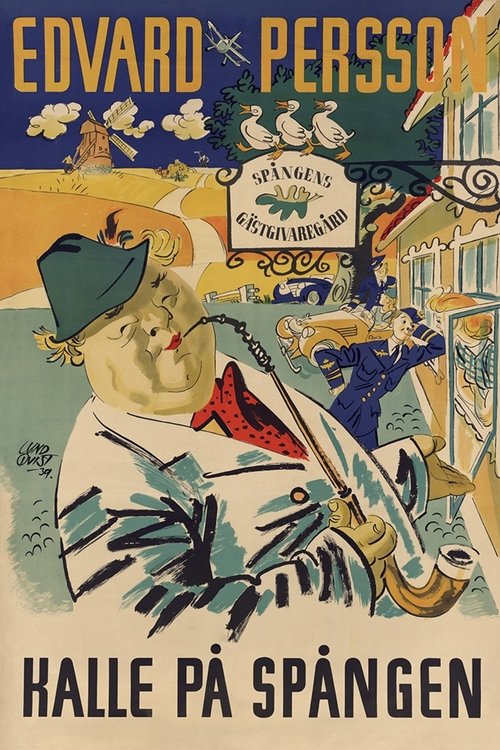
1939

1960
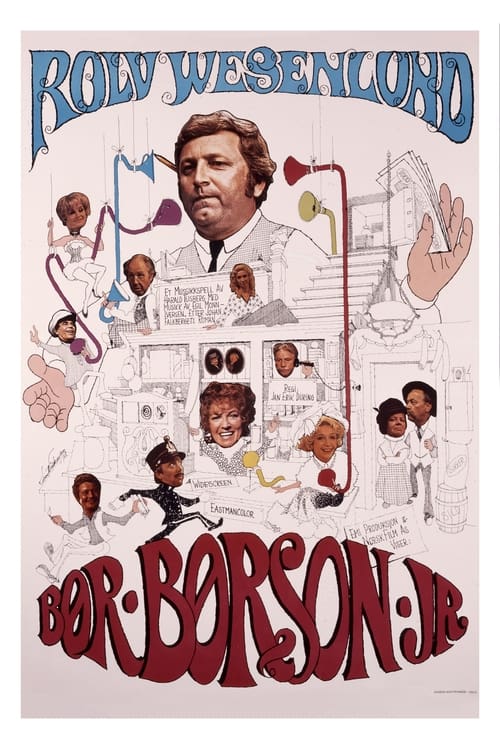
1974
No reviews yet. Be the first to share your thoughts on this movie!
Use the rating form above to leave a star rating and optional review.