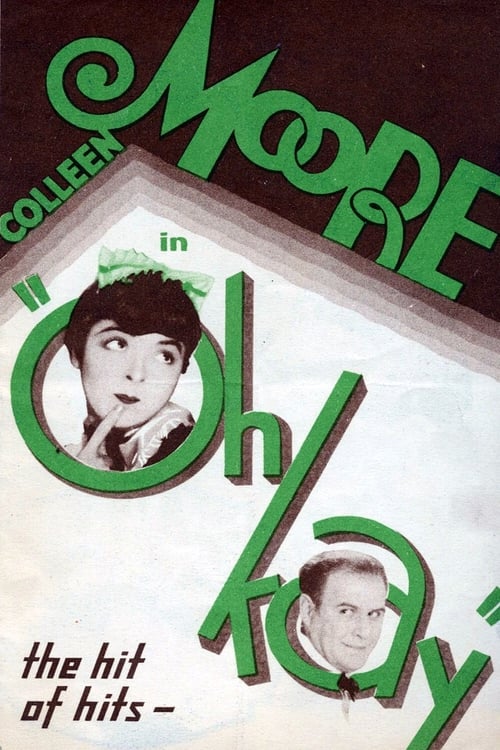
Oh Kay!
1928
No user ratings available yet
Representation score: 1.7 out of 10
No Poster Available
Representation Score
Minimal
1925
PassedRuntime
57 minutes
Average Rating
No ratings yetNew Showbiz Analysis
Steppin' Out is a period comedy that relies on situational humor and social deception. The plot revolves around a secretary navigating a series of mistaken identities and secret marriages, closely following the storytelling conventions of the 1920s. While the female lead demonstrates strategic influence in managing social chaos, the film upholds rather than challenges the social and domestic hierarchies of the early 20th century. The narrative focuses on class-related themes and maintains social decorum. Overall, the film exemplifies typical 1920s comedy, prioritizing comedic misunderstandings over the deconstruction of broader social or gender structures.
Category Breakdown
The film does not include any characters with non-straight sexual orientations or same-sex relationships. The romantic tension is confined to traditional heterosexual relationships.
Daisy Moran takes a leading role in managing the social chaos and the police raid, showing strong influence over events. However, her character is mainly defined by her interactions with the male characters.
The cast and setting reflect the homogeneous society of the 1920s. There are no non-white characters or disruptions to racial norms.
The story follows a traditional Western social framework, using secret marriages and social deception as comedic elements without challenging established moral standards.
The film does not depict any characters with visible or invisible disabilities, nor does it include neurodivergent representation.
Present on Screen
Limited or Absent
Official Synopsis
Daisy Moran is Henry Brodman's private secretary and secretly married to his son, Henry Jr. John Durant, an out-of-town customer, arrives with his wife, and calls Brodman to arrange a party. Daisy volunteers to go with Brodman,as his wife will be out of town. Daisy wears Mrs. Brodman's clothes and her pearl necklace, and is greeted as Mrs. Brodman. They go to a cabaret and the police make a raid, and arrest Daisy charging she has stolen the pearls. She is released when Mrs. Durant tells the police she is Mrs. Brodman. Not daring to face his wife, Brodman takes the group to his summer house, where is son is sleeping.
1928

1934

1932

1928
1925

1942
1945

1932
No reviews yet. Be the first to share your thoughts on this movie!
Use the rating form above to leave a star rating and optional review.