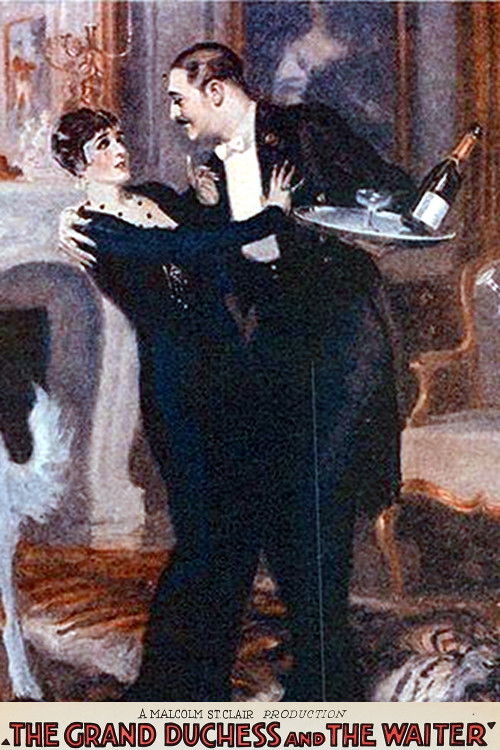
The Grand Duchess and the Waiter
1926
No user ratings available yet
Representation score: 3.1 out of 10
Representation Score
Minimal
1919
PassedDirector
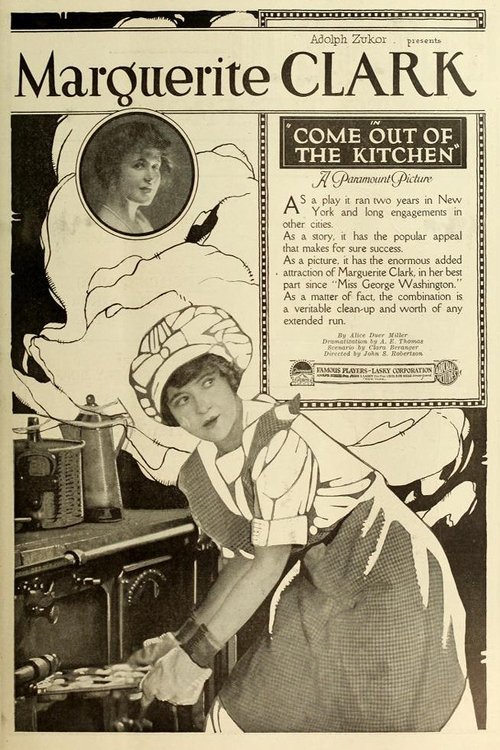
John S. Robertson
Runtime
50 minutes
Average Rating
No ratings yetNew Showbiz Analysis
This silent-era comedy relies on the classic formula of mistaken identity to drive its plot. While the protagonist, Olivia, plays a significant role in navigating her circumstances, the film operates strictly within the social frameworks of 1919. The narrative centers on individual deception and romantic entanglements without exploring multi-layered identities. Humor is derived from class-based misunderstandings and domestic hierarchies rather than any meaningful social critique. Ultimately, the film reflects its historical context, prioritizing situational comedy over diverse representation or the deconstruction of systemic power dynamics.
Category Breakdown
The film does not include any visible LGBTQ+ identities or narratives that challenge the assumption that everyone is straight or cisgender.
Olivia Dangerfield plays a central role by using her culinary skills to deceive others, but her actions follow traditional comedic formulas rather than challenging systemic gender hierarchies.
The production features a homogeneous cast typical of early Hollywood, with no diverse casting or non-white characters used to drive the plot.
The story explores class distinctions through domestic service and social standing, using these hierarchies for comedy without critiquing Western institutions or family units.
The narrative does not mention any characters with visible or invisible disabilities.
Present on Screen
Limited or Absent
Official Synopsis
Olivia Dangerfield and her brother are hired as servants in the household of the meticulous Mrs. Falkner. When another pair of servants is detained by the law, Olivia decides to pose as a master cook, though she knows little about the culinary arts. Meanwhile, Burton Crane, the boyfriend of Mrs. Falkner's daughter, becomes attracted to the "wonderful cook" at the Falkner home.
1926
1926

1935
1936
1925
1928
1915
1938
No reviews yet. Be the first to share your thoughts on this movie!
Use the rating form above to leave a star rating and optional review.