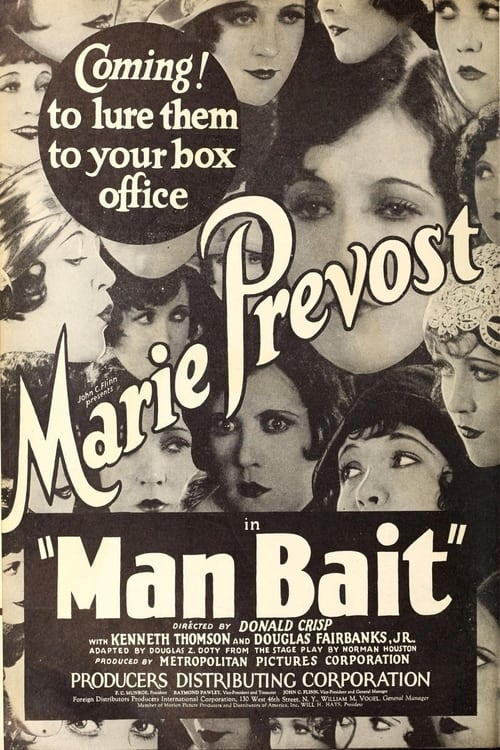
Man Bait
1927
No user ratings available yet
Diversity score: 3.6 out of 10
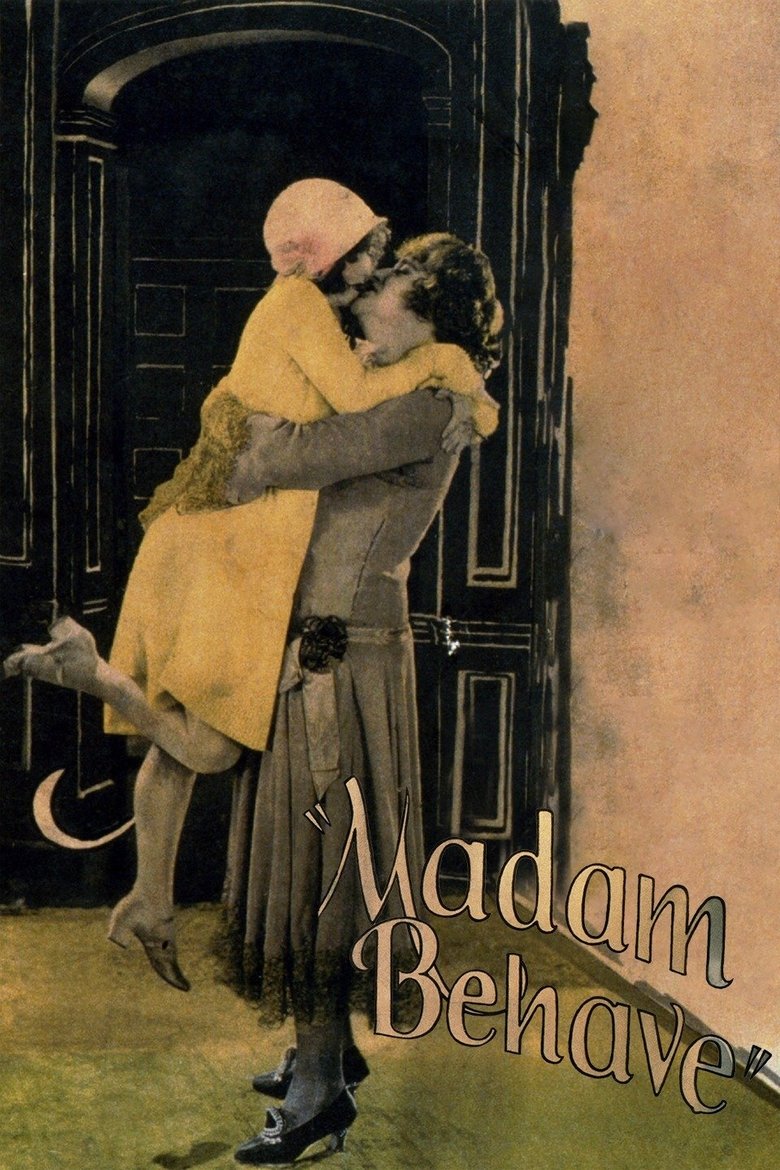
1925
PassedDirector
Scott Sidney
Runtime
55 minutes
Average Rating
No ratings yetSynopsis
A cross-dressing farce, adapted from "Madame Lucy" by Jean Arlette, in which to help a friend in a lawsuit, Jack Mitchell disguises himself as the mysterious "Madame Brown," a missing witness important to the case of the plaintiff. He attracts the romantic attention of two old roués and one hot Broadway showgirl.
Overall Score
Fair
Category Breakdown
LGBTQ+ Representation
The film centers on gender non-conformity through a cross-dressing farce. Jack Mitchell's adoption of a female persona serves as a comedic exploration of gender performance.
Gender Representation
Gender acts as a tool for social maneuvering and legal navigation. The presence of a Broadway showgirl suggests a character with notable social agency.
Racial & Ethnic Diversity
The narrative appears to focus on a homogeneous social circle. There is no evidence of a diverse or non-Anglo-Saxon cast.
Religious & Cultural Diversity
The story prioritizes situational chaos and the subversion of decorum. It remains rooted in traditional comedic structures of the 1920s.
Disability Representation
The film contains no evidence of characters with visible or invisible disabilities.
Strengths
Areas for Improvement
AI Analysis
Madame Behave is a product of its era, utilizing the comedic trope of cross-dressing to disrupt social norms. While the gender-bending premise provides a foundation for identity play, the film lacks modern intersectional depth. The narrative succeeds in using gender as a mechanism for social disruption, yet it remains limited by the period's typical focus on homogeneous social circles. This results in a lack of racial and ethnic variety. Ultimately, the film offers a glimpse into early 20th-century identity subversion through farce, even if it does not engage with broader social or political themes.
1927
1926

1935
1925
1966

1926

1935
1925

1936
1928
1928

1934
No reviews yet. Be the first to share your thoughts on this movie!
Use the rating form above to leave a star rating and optional review.