
Ménilmontant
1926
No user ratings available yet
Diversity score: 3.1 out of 10

1929
Director
Dimitri Kirsanoff
Runtime
13 minutes
Average Rating
No ratings yetSynopsis
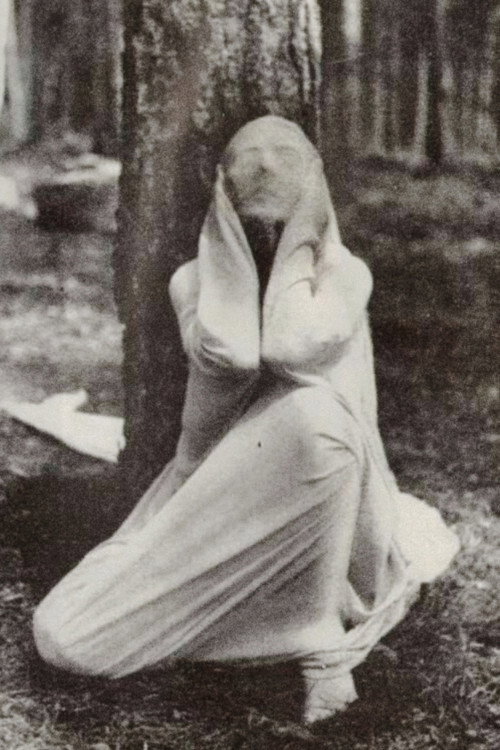
An early impressionist short featuring a woman who dreams of, and escapes into, an autumn forest.
Overall Score
Limited
Category Breakdown
LGBTQ+ Representation
The film focuses on a singular female protagonist and her internal dream state. There is no documented evidence of LGBTQ+ characters or narratives present.
Gender Representation
The narrative centers on a woman’s subjective experience and psychological escape. This prioritizes a female character's internal world over traditional male-driven plots.
Racial & Ethnic Diversity
The film likely reflects the demographic homogeneity of early European cinema. There is no evidence of non-white casting or metaphors addressing racial diversity.
Religious & Cultural Diversity
The focus on a dream state suggests a move toward secularism and psychological exploration. It does not explicitly critique Western institutions or capitalism.
Disability Representation
There is no evidence to suggest the inclusion or depiction of physical or neurodivergent disabilities.
Strengths
Areas for Improvement
AI Analysis
Dimitri Kirsanoff’s impressionist short is a study in psychological subjectivity rather than social commentary. By centering a woman's internal dreamscape, the film offers a subtle subversion of the era's typical male-driven narratives. However, the work lacks demographic breadth. It reflects the homogeneity of 1920s European cinema, offering almost no racial or LGBTQ+ representation. The film's impact is purely aesthetic and psychological, rather than intersectional. Ultimately, the film's value lies in its disruption of narrative realism. It explores the individual's internal life but fails to engage with broader systemic identity politics or diverse social perspectives.
1926
1924
1933

1996
1929

1937

1929

1933

1912

2010

1910
1922
No reviews yet. Be the first to share your thoughts on this movie!
Use the rating form above to leave a star rating and optional review.