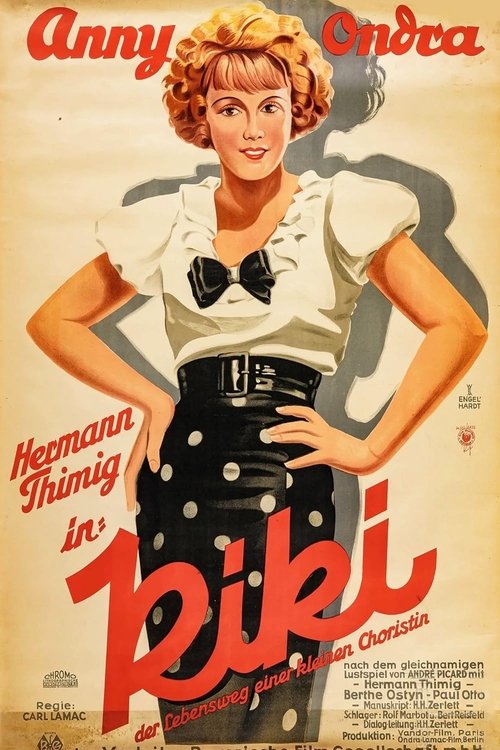
Kiki
1932
No user ratings available yet
Diversity score: 2.6 out of 10
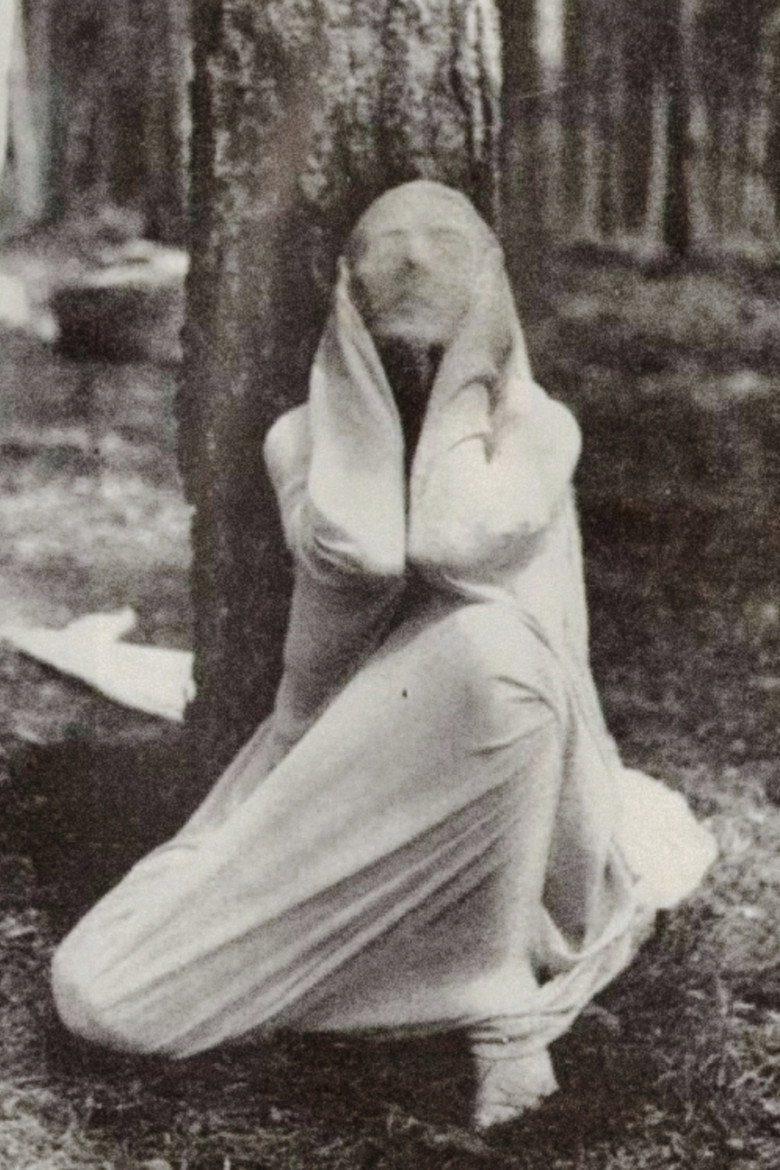
1933
Director
Emlen Etting
Runtime
13 minutes
Average Rating
No ratings yetSynopsis
Early dance film filmed outdoors and directed by artist Emlen Etting.
Overall Score
Limited
Category Breakdown
LGBTQ+ Representation
The film lacks any documented evidence of non-heteronormative identities or same-sex intimacy. It appears to adhere to the strict heteronormative standards typical of early 1930s cinema.
Gender Representation
While the film focuses on physical expression through dance, it lacks specific character arcs to challenge gender hierarchies. Female roles likely follow traditional archetypes of grace or domesticity.
Racial & Ethnic Diversity
There is no verified evidence of a non-white or non-Anglo-Saxon majority cast. The production likely reflects the homogeneous casting norms prevalent during the early sound era.
Religious & Cultural Diversity
The work functions as an artistic exploration of movement rather than a critique of Western institutions. It aligns with the traditionalist cultural frameworks of the early 20th century.
Disability Representation
There is no documented evidence regarding the inclusion of characters with visible or invisible disabilities in this production.
Strengths
Areas for Improvement
AI Analysis
Oramunde is an experimental dance film that prioritizes aesthetic and rhythmic movement over social commentary. Because it focuses on avant-garde expression rather than narrative structure, it lacks the framework to address intersectional identities. The film is a product of its era, reflecting the systemic constraints of 1933. It shows no signs of disrupting social hierarchies or including marginalized groups, instead favoring the homogeneous casting and traditionalist values of the period.
1932
1929
1936
1930
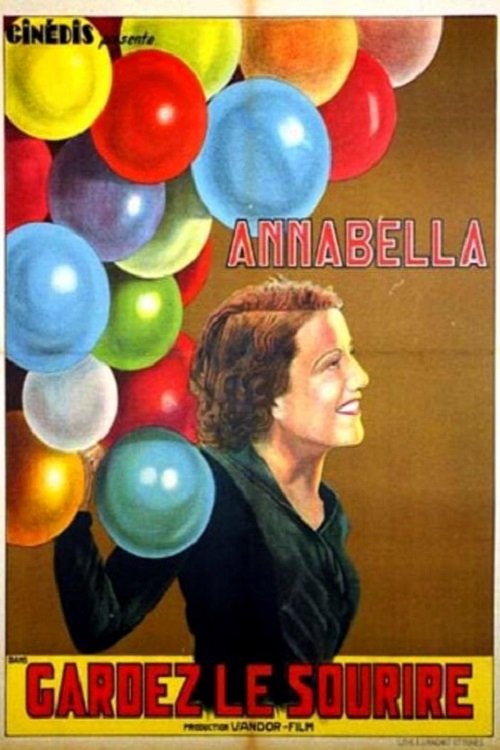
1934

1934
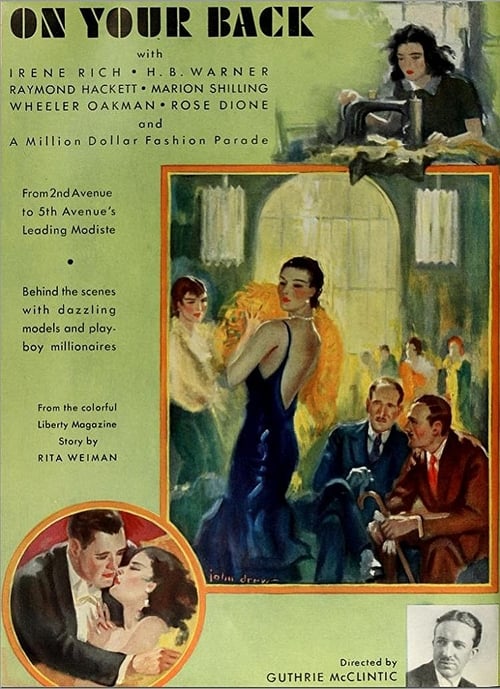
1930
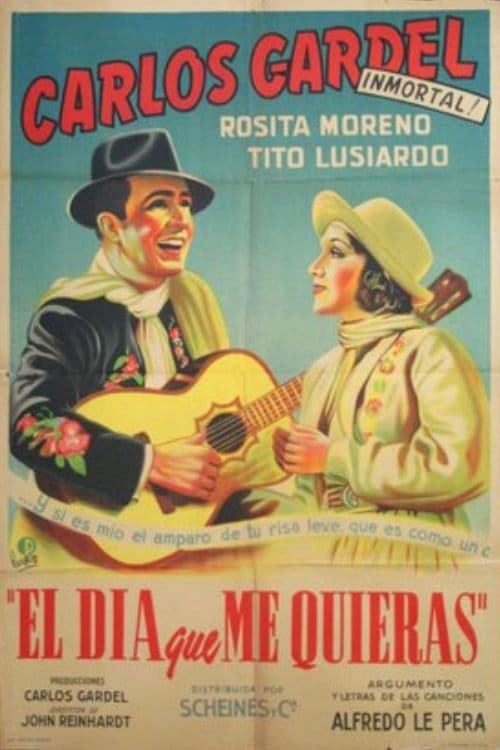
1935
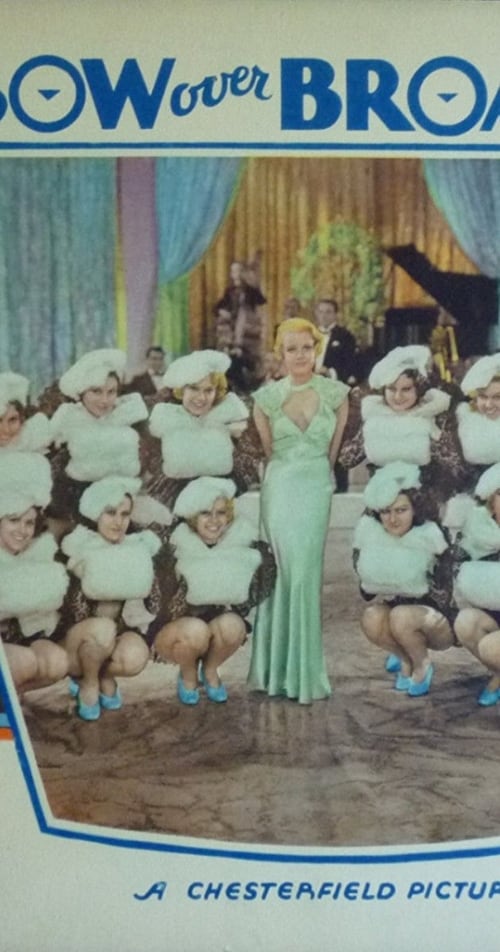
1933
1935
1931
1954
No reviews yet. Be the first to share your thoughts on this movie!
Use the rating form above to leave a star rating and optional review.