Truce
2010
No user ratings available yet
Representation score: 4.7 out of 10
Representation Score
Fair
1996
Director
Šarūnas Bartas
Runtime
105 minutes
Average Rating
No ratings yetNew Showbiz Analysis
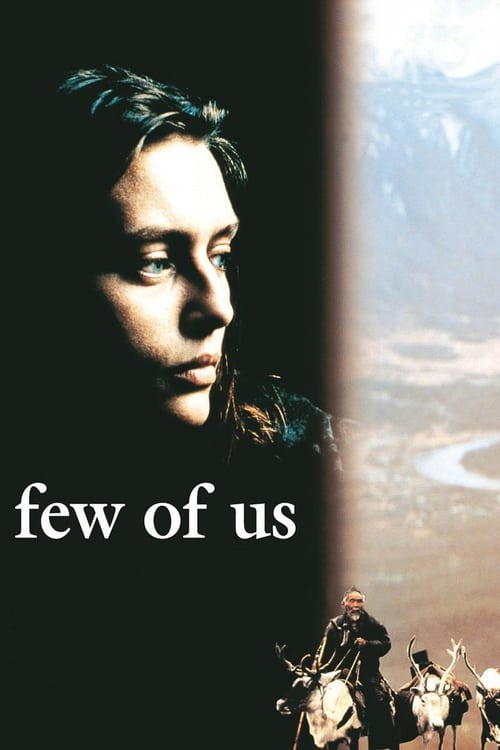
Šarūnas Bartas employs a minimalist, dialogue-free approach to explore existential themes through a woman's journey in Siberia. The film centers women's ability to drive the story within a vast, indifferent landscape, moving away from conventional hero-driven plots. However, the work lacks explicit complexity in representing multiple aspects of identity. The focus on a solitary, atmospheric experience means it avoids traditional clichés but also misses opportunities for diverse character representation. Ultimately, the film functions as a study of individual ability to act and environmental interaction rather than a vehicle for identity politics.
Category Breakdown
The film's minimal dialogue and structure limit the depiction of romantic relationships. There is no clear indication of LGBTQ+ identities or narratives.
A female protagonist leads the story, taking charge of her journey in Siberia. This challenges the typical relegation of women to supporting or domestic roles.
The Siberian setting hints at specific regional influences, but the film does not confirm a diverse cast. The narrative seems focused on a singular journey.
The film's contemplative pace prioritizes individual introspection over traditional social or religious cohesion. It challenges Western narrative structures.
There is no evidence of physical or neurodivergent disabilities being portrayed in the film.
Present on Screen
Limited or Absent
Official Synopsis
A slow, dialogue-free film about a woman's journey in Siberia.
2010
1977
2000
2009
1998
2003
1995
2018
No reviews yet. Be the first to share your thoughts on this movie!
Use the rating form above to leave a star rating and optional review.