
The Eternal Woman
1929
No user ratings available yet
Representation score: 3.7 out of 10
Representation Score
Minimal
1926
Director
Dimitri Kirsanoff
Runtime
38 minutes
Average Rating
No ratings yetNew Showbiz Analysis
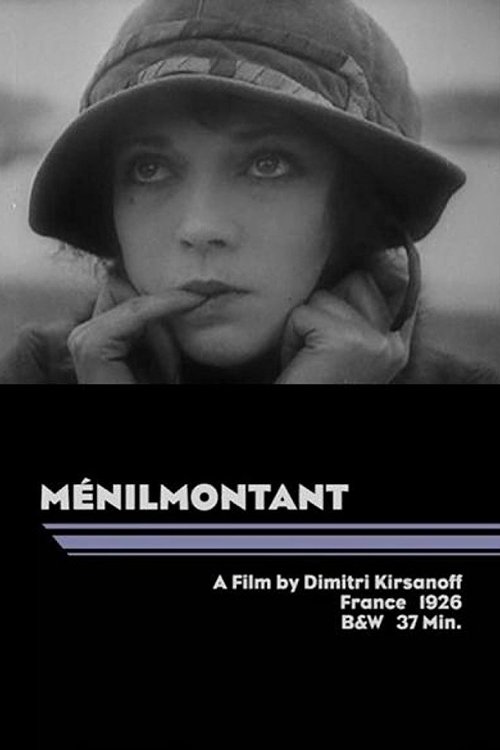
Ménilmontant is a significant work of French Impressionism that emphasizes poetic realism and visual rhythm over direct social commentary. Its vignette structure allows for a broad focus on various working-class individuals, elevating ordinary citizens through artistic observation. However, the film does not intentionally challenge traditional social or gender hierarchies. It lacks a framework for identity politics, focusing instead on the aesthetic study of human connections and urban life. While it captures the essence of its subjects, it remains a product of its time, offering limited progressive representation or critique of broader societal issues.
Category Breakdown
The film does not depict any LGBTQ+ identities. It focuses on urban life without addressing the assumption that everyone is straight or cisgender.
The story centers around two sisters dealing with a tragedy. Female characters drive the plot, but the portrayal does not challenge traditional gender roles.
Set in a working-class area of Paris in 1926, the film reflects the demographics of that time. There is no indication of racially diverse casting or symbolic representations.
The film highlights the everyday life of working-class individuals, moving away from elite society narratives. However, it does not critically examine religious or institutional structures.
There are no visible portrayals of physical or neurodivergent disabilities. Such characteristics are not used as key plot points or character traits.
Present on Screen
Limited or Absent
Official Synopsis
A pair of sisters leave the country for the city after their parents are slaughtered in a mysterious axe murder.
1929

1999
1924

1970
1921
1927
2011
2001
No reviews yet. Be the first to share your thoughts on this movie!
Use the rating form above to leave a star rating and optional review.